

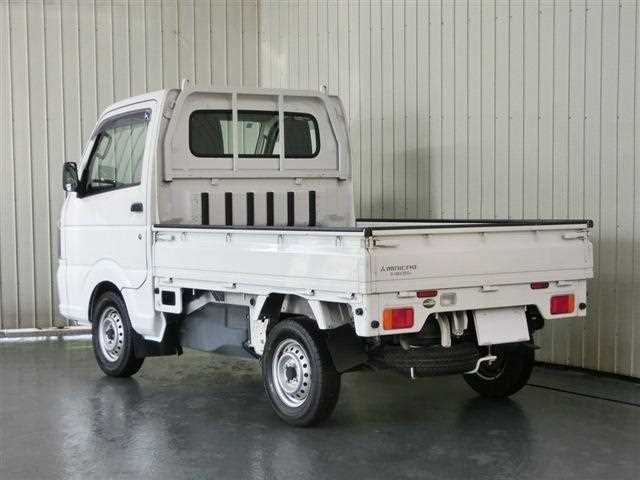
When considering the import and clearance of a 2016 MITSUBISHI MINICAB TRUCK in Uganda, it’s essential to take several factors into account to ensure a smooth process. This article outlines the key points to check before embarking on this endeavor.
1. Understand the Import Regulations
Before you begin the importation process, familiarize yourself with the Ugandan import regulations. This includes understanding the specific policies that govern the import of commercial vehicles, as well as any restrictions that may apply to used vehicles, such as their age and condition.

2. Compliance with Environmental Standards
The Ugandan government has enacted several regulations to encourage environmentally friendly practices. Ensuring that your 2016 MITSUBISHI Minicab Truck conforms to these standards is crucial. Confirm what emissions standards are applicable and ensure that your vehicle meets these requirements.
3. Find a Reliable Supplier
Finding a reputable supplier or dealer is critical. Conduct thorough research to find suppliers with positive reviews and a proven track record in handling exports to Uganda. Consider contacting previous clients to get feedback on their experiences.
4. Documentation Requirements
When importing a vehicle, various documents are required, including:

- The vehicle’s original title and registration
- Bill of lading
- Commercial invoice
- Export declaration from the country of origin
- Any damage claims paperwork, if applicable
Ensuring that you have all these documents in order will facilitate the clearance process at customs.
5. Determine the Import Duties and Taxes
Importing a vehicle into Uganda involves various duties and taxes that can significantly affect your overall cost. These may include import duty, VAT, and an excise tax. Verify the current rates applicable to your Mitsubishi Minicab Truck by consulting the Uganda Revenue Authority (URA) or a tax consultant.
6. Hire a Clearing Agent
Engaging the services of a reputable clearing agent can make a significant difference in expediting the customs clearance process. Clearing agents are knowledgeable about local regulations and can navigate the complexities of the import process on your behalf.

7. Vehicle Inspections
In some cases, your vehicle may be required to undergo inspection by Ugandan authorities. This could involve a physical inspection of the vehicle to confirm its specifications, condition, and compliance with import regulations.
8. Arrange Insurance
Before your truck arrives in Uganda, it is advisable to arrange for insurance coverage. This will protect you against potential damages during transit and provide peace of mind once the vehicle is in your possession.
9. Registration Process
After successfully clearing your Mitsubishi Minicab Truck with customs, the next step is to register the vehicle. This involves submitting your clearance documents to the Uganda Vehicle Registration Authority and paying the necessary registration fees.
10. Cost-Benefit Analysis
Finally, it’s essential to conduct a cost-benefit analysis to determine whether importing the Mitsubishi Minicab Truck is the best decision for you. Consider the total costs, including purchase price, shipping, duties, and taxes versus the potential benefits of owning the vehicle.


