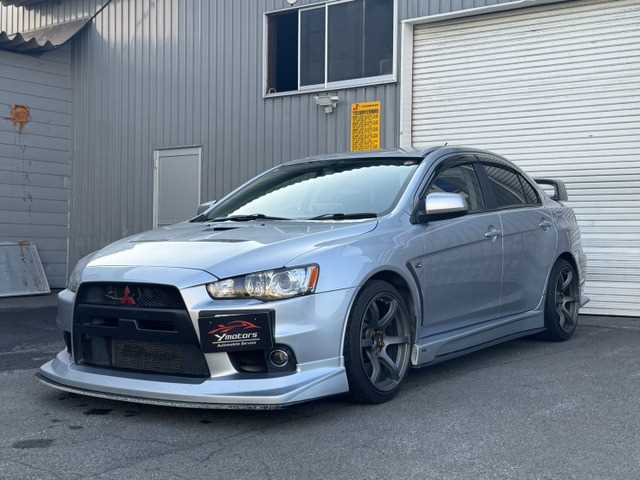
The 2008 MITSUBISHI LANCER EVOLUTION, often referred to simply as the Evo, stands as a testament to the brand’s commitment to performance and motorsport heritage. Renowned for its rally pedigree, the Evo has won the hearts of car enthusiasts and professional drivers alike. This model showcases MITSUBISHI‘s engineering excellence, balancing power, handling, and everyday usability. In this overview, we will delve into the specs, design, safety features, and the driving experience that makes the 2008 Lancer Evolution a remarkable vehicle.
Performance and Engineering
Powering the 2008 Lancer Evolution is a 2.0-liter turbocharged inline-four engine, generating an impressive 286 horsepower and 289 lb-ft of torque. This formidable engine is mated to a five-speed manual transmission, allowing drivers to harness its power effectively. The Evo employs Mitsubishi’s patented All-Wheel Drive (AWD) system, which delivers remarkable traction and handling across various surfaces, making it an excellent choice for both street and track driving.
The 2008 model also features a sport-tuned suspension and large disc brakes, enhancing its cornering stability and stopping power. With a 0-60 mph time of around 5.5 seconds, the Lancer Evolution is a suitably rapid vehicle, proving that it can deliver on the promise of exhilarating performance.
Design and Interior
Visually, the 2008 Lancer Evolution sports a dynamic and aggressive design. The front fascia showcases unmistakable Mitsubishi styling, including a prominent grille and aggressive air intakes. The aerodynamic body kit, complete with a rear spoiler, not only enhances its aesthetics but also improves downforce, contributing to high-speed stability.
Inside, the Evo prioritizes a driver-centric environment. The sporty Recaro bucket seats provide excellent support during spirited driving, while the driver-focused dashboard features easy-to-read gauges and controls. Despite its performance orientation, the Lancer Evolution includes essential creature comforts such as air conditioning, a premium audio system, and navigation options, offering a surprising level of practicality for everyday use.
Safety Features
While the MITSUBISHI LANCER Evolution focuses primarily on delivering a robust driving experience, it does not skimp on safety. The 2008 model comes equipped with an array of safety features, including:
Anti-lock Braking System (ABS): Prevents wheel lockup during hard braking.
Electronic Stability Control (ESC): Helps maintain control during slippery conditions.
Airbags: Front and side airbags provide occupant protection in the event of a collision.
Tire Pressure Monitoring System (TPMS): Alerts drivers when tire pressure is low, enhancing safety.
These features, while essential, are discreetly integrated into the driving experience, allowing drivers to focus on the road ahead.
Driver Assistance Systems
Modern driver assistance systems may not be the primary focus of the 2008 Mitsubishi Lancer Evolution, but certain features were incorporated to aid driver control and enhance safety. These include:
All-Wheel Control (AWC): This advanced system optimally distributes power between the front and rear wheels, improving handling and stability.
Active Center Differential (ACD): This feature adjusts the torque distribution depending on driving conditions, providing more control on challenging terrains.
These systems showcase Mitsubishi’s commitment to combining performance with driver safety and control, reinforcing its motorsport legacy.
Final thoughts
The 2008 Mitsubishi Lancer Evolution is a remarkable vehicle that successfully blends high-performance capabilities with safety considerations. With its rally-inspired engineering, aggressive design, and reliable safety features, it stands out in a competitive market. While it primarily aims to deliver an exhilarating driving experience, the incorporation of modern safety and driver assistance systems ensures that it is a well-rounded option for those seeking both thrill and peace of mind. The Lancer Evolution will remain a beloved icon in the automotive world, fondly remembered by enthusiasts and casual drivers alike.
FAQs
1. What is the top speed of the 2008 Mitsubishi Lancer Evolution?
The top speed of the 2008 Lancer Evolution is approximately 155 mph (250 km/h), making it a performance-oriented vehicle designed for speed.
2. How does the AWD system in the Lancer Evolution work?
The AWD system in the Lancer Evolution optimally distributes power to all four wheels, enhancing traction and stability, especially in adverse weather conditions or on challenging terrain.
3. Is the 2008 Mitsubishi Lancer Evolution a practical daily driver?
Yes, while the Evo is a performance car, it offers several creature comforts and safety features, making it a practical option for daily commuting, provided that the driver is comfortable with a sport-tuned ride.
4. What kind of maintenance does the Lancer Evolution require?
The Lancer Evolution requires regular maintenance similar to other performance vehicles, including oil changes, brake inspections, and tire rotations to keep it in optimal condition.
5. Are there any common issues with the 2008 Mitsubishi Lancer Evolution?
Some owners have reported issues related to wear on suspension components and the reliability of infotainment systems; however, with proper maintenance, these problems can often be mitigated.
When it comes to enhancing your vehicle’s performance and comfort, upgrading your suspension system is one of the best modifications you can make. Two popular options for achieving this are...
Your vehicle, much like you, requires regular maintenance to function optimally. One critical aspect of this maintenance involves checking the fluid levels, including engine oil, coolant, brake fluid, and transmission...
In modern vehicles, the safety features play a crucial role in protecting occupants during a collision. Among these safety features, dual front airbags for the driver and passenger stand out...
The Mitsubishi Lancer Evolution 2010 has garnered a reputation for its performance and agility, appealing to car enthusiasts globally. In Uganda, where road conditions can vary significantly, the car’s reliability...
Family owned dealership of new and pre-owned vehicles with several locations across the Uganda. Lowest prices and the best customer service guaranteed.
You're almost there, select at least one more to compare!
We use cookies to ensure that we give you the best experience on our website. If you continue to use this site we will assume that you are happy with it.
You can revoke your consent any time using the Revoke consent button.