



Description
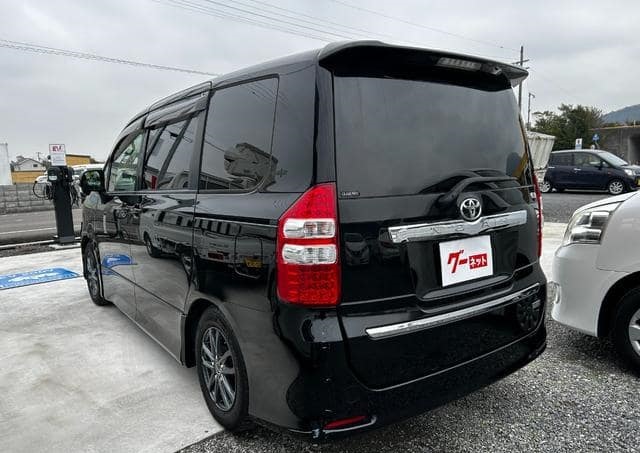
Toyota Noah 2010 for Sale in Uganda
The Toyota Noah 2010 is a practical family van built for buyers who need space, comfort, and dependable Toyota ownership in one vehicle. It works well for family travel, school runs, church trips, staff transport, and daily movement around town. Uganda-facing marketplaces still show active 2010 Toyota Noah listings, and Car Dealer Uganda’s Toyota inventory structure also surfaces Toyota Noah entries, which shows the…
Toyota Noah 2010 for Sale in Uganda
The Toyota Noah 2010 is a practical family van built for buyers who need space, comfort, and dependable Toyota ownership in one vehicle. It works well for family travel, school runs, church trips, staff transport, and daily movement around town. Uganda-facing marketplaces still show active 2010 Toyota Noah listings, and Car Dealer Uganda’s Toyota inventory structure also surfaces Toyota Noah entries, which shows the model still has local market relevance.
A Family Van That Solves Real Transport Needs
The Noah does not rely on flashy styling. It focuses on real usefulness, cabin space, easy access, flexible seating, and calm road manners. Uganda listings for the 2010 model describe familiar versions such as 2.0-litre petrol, automatic transmission, and seven-seat or eight-seat layouts, which fits the Noah’s long-standing role as a people mover rather than a style-first vehicle. That is exactly why many buyers in Uganda still notice it.
A Shape That Gives You Useful Space
The 2010 Toyota Noah uses a body shape that supports daily practicality very well. Toyota’s official used-vehicle catalog page for the Noah YY lists a body size of 4595 mm in length, 1695 mm in width, and 1850 mm in height, with a 2825 mm wheelbase. The same page lists a roomy cabin at 2210 mm in length, 1485 mm in width, and 1350 mm in height. Those numbers explain why the Noah feels upright, open, and useful for passengers and light luggage without becoming too wide for normal driving.
Flexible Seating That Supports Family Life
One of the strongest points of the Toyota Noah 2010 is passenger flexibility. Uganda listings show both seven-seat and eight-seat examples in the market, while Toyota’s official Noah YY catalog page confirms the minivan body style and five-door layout in the same generation. This matters because different buyers need different seating solutions. Some want easier movement between rows. Others want more passenger capacity at once. The Noah keeps that flexibility inside one practical family-focused package.
Smooth 2.0 Petrol Power For Everyday Driving
A common Toyota Noah 2010 uses the 3ZR-FE 2.0-litre petrol engine. Toyota’s official Noah YY catalog page lists 1986 cc displacement, 143 PS at 5600 rpm, and 194 Nm at 3900 rpm. It also lists Super CVT-i transmission and front-wheel drive for the ZRR70G layout. Uganda listings for 2010 models also describe 2.0-litre petrol versions with automatic transmission, which matches the everyday-friendly setup many buyers want. This engine is not about drama. It is about smooth, useful, predictable power.
Drive Options That Fit Different Needs
The Toyota Noah 2010 also gives buyers useful drivetrain choice in the broader market. Toyota’s official page for the Noah YY confirms an FF, front-wheel-drive configuration, while Uganda listings show both FWD and AWD examples for 2010 vehicles. That matters in Uganda because buyer needs vary. Some drivers want the lighter feel and simplicity of front-wheel drive for normal urban and highway use. Others prefer the extra traction that AWD can offer in slippery conditions. The Noah keeps both options within a practical family van formula.
Fuel Economy That Still Makes Sense
A family van must still feel sensible to run. Toyota’s official Noah YY page lists 13.4 km/L on the 10/15 mode cycle, along with a 60-litre fuel tank and regular gasoline. For a minivan with this much cabin height and passenger capacity, that is a useful balance. The Noah will not behave like a small hatchback at the pump, but it gives you far more seating value and daily flexibility in return. For many Ugandan buyers, that is exactly the balance they want.



Comfort And Everyday Convenience
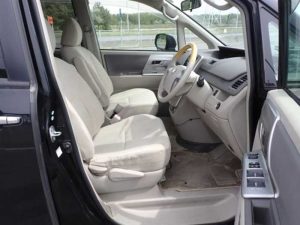
The Toyota Noah 2010 also makes daily life easier. Toyota’s official page lists full auto air conditioning, power windows, tilt and telescopic steering adjustment, privacy glass, UV-cut glass, and a five-door body. It also lists standard driver and front passenger airbags, ABS, brake assist, EBD, and projector headlamps. These details matter because the Noah is not only about moving people. It is about moving people comfortably and with less stress in everyday use.
The Main Pillars Of The Toyota Noah 2010
The pillars of the Toyota Noah 2010 are clear. First, it gives you real three-row practicality. Second, it offers seven-seat and eight-seat flexibility depending on market example. Third, it uses a proven 2.0-litre Toyota petrol setup with smooth CVT-style driving. Fourth, it gives buyers a choice between FWD and AWD examples in the market. Fifth, it balances family space with manageable exterior size. Sixth, it remains visible in Uganda’s used-car market, which shows that local buyers still value it. These are the reasons the Noah remains a trusted option for practical transport.
Why It Fits Uganda So Well
Ugandan buyers often want one vehicle that can handle family movement, church trips, school transport, business errands, and longer travel outside town. The Toyota Noah 2010 fits that role very well. It gives more seating than a sedan, more flexibility than a wagon, and more comfort than many older commercial vans. Because Uganda-facing sites still show active 2010 Noah stock, the model remains relevant for buyers who want a practical van with Toyota peace of mind. Contact Car Dealer Uganda today and choose a Toyota Noah 2010 that matches your family needs, transport goals, and daily lifestyle.
FAQs
-
Is the Toyota Noah 2010 a good car for Uganda?
Yes. It offers family space, flexible seating, and dependable Toyota ownership for daily transport needs. -
What engine does the Toyota Noah 2010 use?
A common 2010 version uses the 3ZR-FE 2.0-litre petrol engine with 1986 cc, 143 PS, and 194 Nm. -
How many people can the Toyota Noah 2010 carry?
Market examples show both seven-seat and eight-seat versions, while Toyota’s official page confirms the same generation’s minivan layout and five-door format. -
Does the Toyota Noah 2010 come with FWD or AWD?
Yes. Toyota’s official Noah YY specification shows FF, and Uganda listings also show FWD and AWD examples in the market. -
Is the Toyota Noah 2010 fuel efficient?
For a family van, yes. Toyota lists 13.4 km/L on the 10/15 mode cycle for the Noah YY. -
What makes the Toyota Noah 2010 practical?
Its biggest strengths are three-row seating, tall cabin design, easy passenger access, and manageable road size. -
Can I still find a Toyota Noah 2010 for sale in Uganda?
Yes. Uganda-facing marketplace and dealer listings continue to show active 2010 Noah stock.


