

Description
Toyota Dyna Truck 2025 for Sale in Uganda – Powerful, Reliable and Business-Ready
SEO Title: Toyota Dyna Truck 2025 for Sale in Uganda | Car Dealer Uganda
Meta Description: Discover the Toyota Dyna Truck 2025 in Uganda. Explore practical cargo transport, commercial versatility, dependable performance, and business-friendly features.
Focus Keyword: Toyota Dyna Truck 2025
Introduction to the Toyota Dyna Truck 2025
The Toyota Dyna Truck 2025 offers a practical transport solution for businesses…
Toyota Dyna Truck 2025 for Sale in Uganda – Powerful, Reliable and Business-Ready
SEO Title: Toyota Dyna Truck 2025 for Sale in Uganda | Car Dealer Uganda
Meta Description: Discover the Toyota Dyna Truck 2025 in Uganda. Explore practical cargo transport, commercial versatility, dependable performance, and business-friendly features.
Focus Keyword: Toyota Dyna Truck 2025
Introduction to the Toyota Dyna Truck 2025
The Toyota Dyna Truck 2025 offers a practical transport solution for businesses that move goods daily. It combines a work-focused design with versatile commercial applications. This truck can support deliveries, distribution, agricultural transport, and construction supply operations.
For Ugandan entrepreneurs, reliable transportation plays an important role in business growth. A suitable commercial truck helps move products efficiently between suppliers, warehouses, shops, and customers. It can also support new delivery services and expand a company’s operating reach.
The Toyota Dyna Truck 2025 deserves consideration from business owners seeking a versatile cargo vehicle. Its available configurations can suit different industries and transport requirements. Buyers should select a version that matches their cargo, routes, and operating budget.
Whether you operate a wholesale business, hardware shop, farm, or logistics company, the right truck can improve daily operations. You should consider payload capacity, fuel consumption, maintenance requirements, and loading arrangements before purchasing.
Car Dealer Uganda helps buyers explore commercial vehicles for different business needs. Contact the dealership to enquire about Toyota Dyna Truck 2025 availability, specifications, and pricing.
Toyota Dyna Truck 2025 Exterior Design and Build
Practical Styling for Commercial Operations
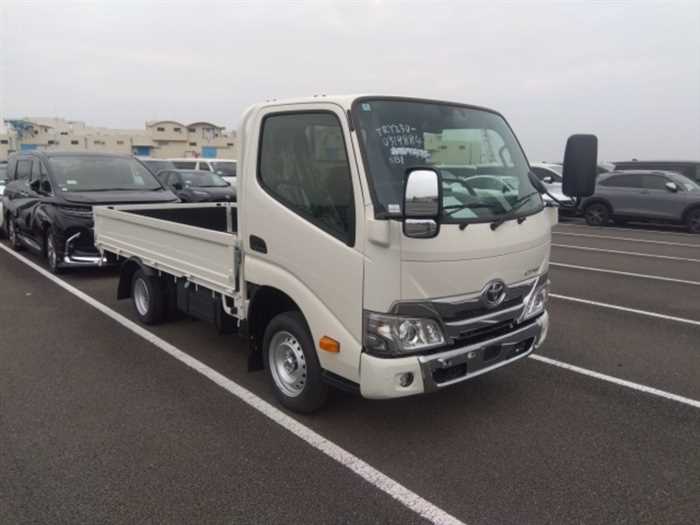
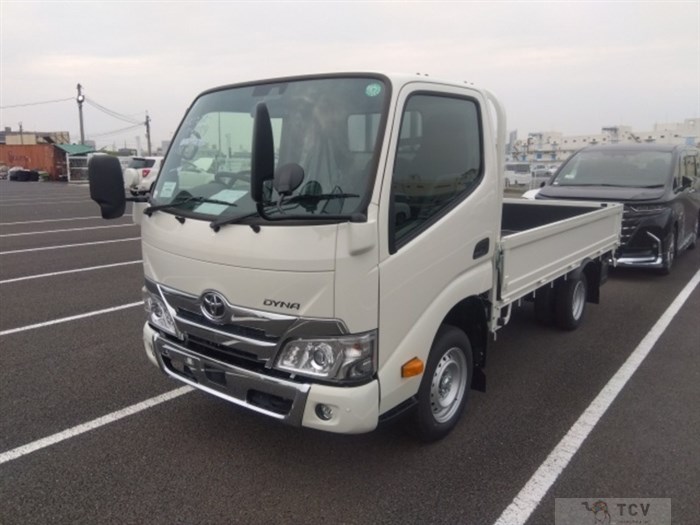
The Toyota Dyna Truck 2025 prioritises practical functionality and everyday commercial use. Its cab-forward design supports a compact front-end layout for a working truck. The straightforward styling also gives businesses a professional appearance on the road.
Commercial vehicles need more than attractive styling. They must support efficient loading, convenient access, and dependable daily operations. Buyers should therefore evaluate the truck’s dimensions alongside its appearance.
The exact dimensions depend on the selected configuration. Different wheelbases, chassis lengths, and body styles can affect the truck’s suitability for particular jobs.
A Professional Appearance for Business Branding
A commercial truck can serve as a moving advertisement for your company. Businesses can use approved graphics to display their names, telephone numbers, logos, and services.
A branded Toyota Dyna Truck can help customers recognise your business during deliveries. It may also strengthen your company’s professional image when visiting commercial premises.
Wholesalers, retailers, agricultural suppliers, and logistics companies can benefit from consistent vehicle branding. Choose clear graphics that customers can read easily from a reasonable distance.
Body Configurations for Different Needs
The Toyota Dyna platform can support different commercial body applications, depending on the chassis specification and local requirements.
Common commercial applications may include:
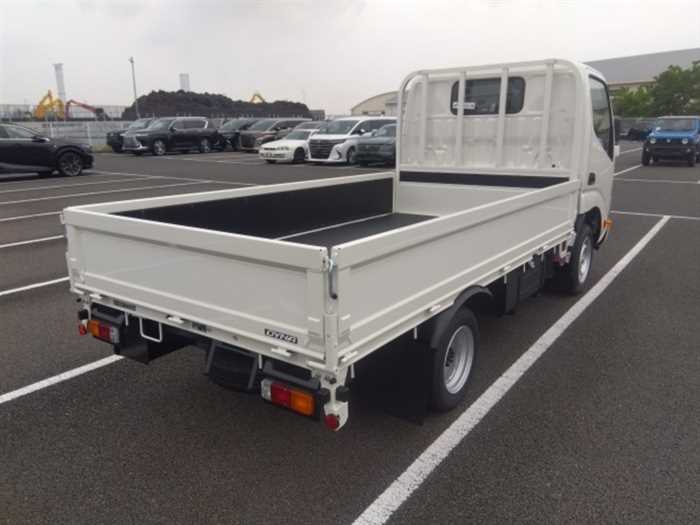
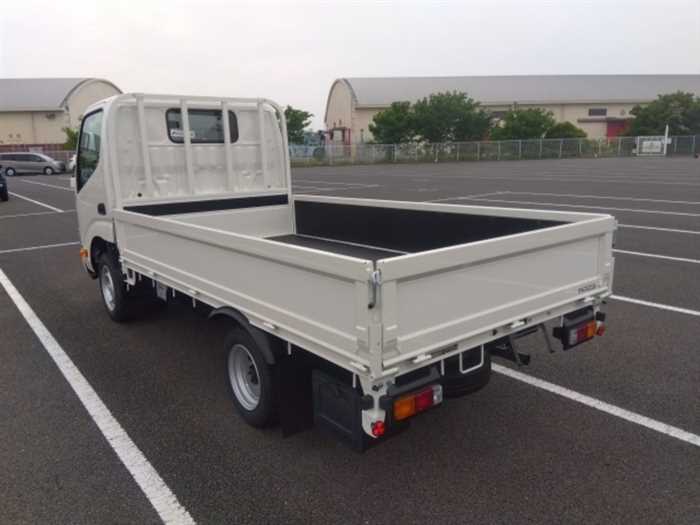
- Flatbed bodies for suitable building materials and equipment.
- Box bodies for packaged goods and general deliveries.
- Dropside bodies for convenient loading and unloading.
- Specialised bodies for approved industry-specific operations.
- Refrigerated bodies where the vehicle and cooling system support temperature-controlled transport.
Not every configuration comes standard with every body type. Confirm the exact body fitted to the vehicle before purchasing.
Always use a qualified body builder for modifications. The finished vehicle must comply with applicable weight, safety, and registration requirements.
Toyota Dyna Truck 2025 Engine and Performance
Commercial Performance for Everyday Work
The Toyota Dyna Truck 2025 comes in configurations that may differ by market, engine, and intended workload. Buyers should verify the exact engine type, displacement, power output, transmission, and drivetrain.
These details determine how well the truck suits your daily operations. Businesses carrying regular loads should prioritise a suitable powertrain and the correct weight ratings.
A truck that regularly transports heavy goods needs an appropriate configuration. Choosing a vehicle based only on appearance can lead to unnecessary operating costs.
Before buying, assess your typical cargo weight, average travel distance, road conditions, and delivery frequency. This information helps you select a truck that matches your business requirements.
Performance for Urban Deliveries
Businesses operating in Kampala and other urban centres often face congestion and frequent stops. They need a truck that suits their cargo volume and delivery locations.
The Toyota Dyna Truck may suit urban delivery operations when its dimensions and configuration match the route. Buyers should assess turning space, loading access, parking arrangements, and local restrictions.
A suitable truck can support deliveries to shops, warehouses, markets, and customer premises. Route planning can further reduce unnecessary travel and improve delivery efficiency.
Performance for Regional Transport
Regional deliveries often involve longer journeys and varying road conditions. Businesses must consider engine suitability, load capacity, driver comfort, and maintenance support.
The Toyota Dyna Truck 2025 may support regional transport when buyers choose the appropriate specification. Confirm that the selected vehicle can handle your intended cargo and routes.
Before committing, inspect the engine, transmission, cooling system, suspension, and braking components. A qualified mechanic can assess the truck’s condition and identify potential maintenance needs.
Transmission and Driving Control
Transmission options depend on the specific model and market. Ask the seller whether the available truck uses a manual transmission or another arrangement.
The transmission should suit your drivers and operating environment. Frequent urban stops, steep roads, and regular heavy loads may influence your choice.
During inspection, check gear selection, clutch operation where applicable, steering response, and braking performance. These checks can reveal issues that require further investigation.
Toyota Dyna Truck 2025 Fuel Economy and Operating Costs
Managing Commercial Fuel Expenses
Fuel represents a significant expense for transport businesses. The Toyota Dyna Truck 2025 may offer practical operating efficiency when the engine, cargo, and route suit the job.
However, fuel consumption varies with several factors. Engine specification, vehicle load, traffic, road conditions, tyre pressure, and driving habits all influence consumption.
Do not rely on a single fuel-economy figure without checking the exact vehicle. Request specifications for the particular engine and configuration under consideration.
Where possible, compare real-world consumption from trucks performing similar duties. This approach gives you a more useful basis for estimating operating expenses.
Practical Ways to Control Fuel Consumption
Business owners can encourage efficient driving and consistent maintenance.
- Keep tyres inflated to the manufacturer’s recommended pressures.
- Service the engine according to the correct maintenance schedule.
- Avoid unnecessary idling during deliveries.
- Encourage smooth acceleration and braking.
- Plan efficient routes and combine nearby deliveries.
- Remove unnecessary equipment from the cargo area.
- Keep the truck within its rated payload.
- Investigate unexpected changes in fuel consumption.
These habits can help reduce waste and support better vehicle care.
Calculating the Total Cost of Ownership
The purchase price represents only one part of commercial truck ownership. Businesses must also budget for fuel, servicing, tyres, insurance, licensing, repairs, and body maintenance.
Start by estimating your monthly mileage and typical cargo weight. Then calculate expected fuel expenses using realistic consumption figures for the selected truck.
Include routine servicing and a reasonable allowance for repairs. This approach helps you understand the vehicle’s financial demands before committing.
Compare the Toyota Dyna Truck 2025 with similar commercial vehicles using the same assumptions. A realistic comparison should consider operating costs rather than purchase price alone.


Toyota Dyna Truck 2025 Payload and Cargo Capacity
Match the Truck to Your Cargo
Cargo capacity is one of the most important factors when selecting a commercial truck. The Toyota Dyna range includes configurations with different weight ratings and chassis specifications.
Never assume that every Toyota Dyna Truck offers the same payload. The engine, chassis, body weight, axle ratings, and approved gross vehicle weight affect carrying capacity.
Ask the seller to provide the exact vehicle’s official specifications. Confirm the permitted payload before planning commercial operations.
Transporting General Merchandise
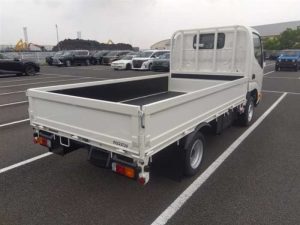
A suitably configured Toyota Dyna Truck can support businesses moving cartons, packaged products, household supplies, and other general merchandise.
Wholesalers can use appropriate body configurations for deliveries to retail outlets. Distributors can also move stock between warehouses and customers.
Consider cargo dimensions, loading height, and access arrangements when selecting a body. These details affect how quickly employees can load and unload goods.
Construction and Hardware Supplies
Construction suppliers often transport tools, equipment, timber, and building materials. A suitable Dyna configuration may support these activities.
However, dense materials can reach weight limits before filling the cargo area. Businesses should calculate actual cargo weight instead of relying on available space.
Confirm the chassis and axle ratings before transporting heavy materials. Use appropriate cargo restraints and follow applicable loading regulations.
Agricultural Transport
Farmers and produce traders need practical ways to move agricultural products. Depending on the body and payload rating, the Toyota Dyna Truck may support produce deliveries and farm supply transport.
Businesses should consider ventilation, weather protection, and loading methods. Some agricultural products require specialised handling or temperature control.
A standard cargo body does not automatically provide refrigeration. Confirm the vehicle’s equipment before transporting goods that require specific temperatures.
Delivery and Logistics Services
Delivery companies depend on suitable cargo capacity and predictable operating costs. The Toyota Dyna Truck can be considered for logistics work when the configuration matches the business model.
Evaluate route lengths, delivery frequency, loading procedures, and expected daily mileage. These factors help determine the most practical truck for your operation.
Toyota Dyna Truck 2025 Interior and Driver Comfort
A Practical Commercial Cabin
Commercial drivers spend considerable time behind the wheel. A functional cabin can support comfort, convenience, and concentration throughout the working day.
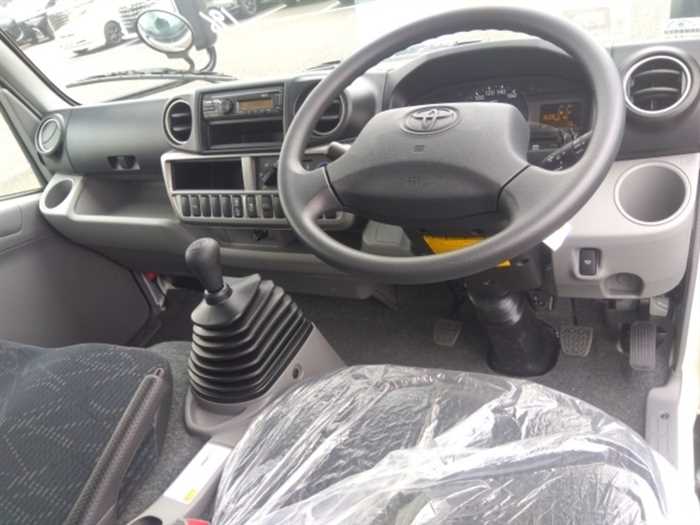
The Toyota Dyna’s cabin focuses on practical use. Depending on the specification, the vehicle may include adjustable seating, clear instruments, useful storage, and accessible controls.
Features differ between variants and markets. Inspect the specific vehicle to confirm its actual equipment and condition.
Driver Seating and Visibility
Drivers need a suitable seating position and clear visibility. Before purchasing, check seat adjustment, steering position, pedal reach, mirrors, and windscreen visibility.
A good driving position can make frequent deliveries more manageable. Businesses should also consider whether different employees can operate the vehicle comfortably and safely.
Check the condition of the seats, seat belts, door mechanisms, and cabin controls. These details can indicate how well previous owners maintained the truck.
Practical Storage and Cabin Layout
Drivers may carry delivery documents, phones, receipts, and work tools. Convenient storage helps keep these items organised.
Inspect the cabin for useful compartments and easy access to frequently used controls. Test the windows, wipers, ventilation, lights, and other essential equipment.
A clean and functional cabin creates a better working environment for drivers. It also supports a professional impression when customers interact with your team.
Toyota Dyna Truck 2025 Technology and Convenience
Features That Support Daily Work
Commercial buyers should prioritise features that improve practical usability. Depending on the configuration, the Toyota Dyna Truck may include useful instrumentation and selected convenience equipment.
Confirm the fitted features rather than assuming every model offers identical technology. Different markets and trims may provide different equipment levels.
For business use, clear gauges, reliable lighting, effective wipers, and working ventilation can prove especially useful. These features support routine operations in changing weather and traffic conditions.
Visibility and Manoeuvring Assistance
Drivers frequently manoeuvre around loading bays, warehouses, shops, and customer premises. Clear mirrors and unobstructed windows help them assess surrounding traffic and obstacles.
Check all lights and mirrors before purchasing. If the vehicle includes a reversing camera or parking assistance, test the equipment during inspection.
Technology should complement careful driving. Drivers must continue checking their surroundings and following safe manoeuvring practices.
Fleet Management Opportunities
Businesses operating several commercial vehicles may benefit from fleet-management systems. Depending on the equipment, these systems can help monitor routes, mileage, fuel use, and maintenance schedules.
The truck may require separately installed equipment to provide these functions. Confirm compatibility and installation costs before budgeting for a fleet system.
Good records can help managers identify unnecessary mileage and plan preventive maintenance. They can also support more accurate operating budgets.
Toyota Dyna Truck 2025 Safety and Load Security
Choose the Correct Vehicle Specification
Safety begins with selecting a truck that suits the intended work. The Toyota Dyna Truck’s safety equipment depends on its exact specification and market.
Ask the seller to confirm the fitted safety systems. Check the vehicle documentation and inspect all essential equipment before completing the purchase.
A qualified mechanic should assess the braking system, steering, suspension, tyres, lights, and chassis. An inspection can help identify problems that require repairs.
Braking System and Tyres
Commercial loads place additional demands on tyres and brakes. Worn components can affect vehicle control and increase operating risks.
Inspect tyre condition and confirm that the fitted tyres meet the vehicle’s requirements. Ask a mechanic to assess the braking system and related components.
Maintain the correct tyre pressures and follow recommended service intervals. Never exceed the truck’s rated carrying capacity.
Safe Cargo Loading
Correct cargo loading protects drivers, goods, and other road users. Uneven loads can affect stability, while unsecured items may move during braking or turning.
Distribute weight according to the manufacturer’s guidelines. Use suitable restraints and secure all cargo before departure.
Check that the load does not obstruct lights, mirrors, or the driver’s view. Follow the applicable transport and road-safety regulations.
Toyota Dyna Truck 2025 for Ugandan Businesses
Supporting Business Operations Across Uganda
Ugandan businesses operate in different environments, from busy urban centres to regional trading routes. The right commercial truck should suit these operating conditions.
The Toyota Dyna Truck 2025 may support various business activities when buyers select the correct configuration. Its suitability depends on payload, ground clearance, body type, and road conditions.
Before purchasing, identify the routes your business uses most frequently. Consider road surfaces, gradients, loading facilities, and access to customer premises.
Toyota Dyna Truck 2025 for Kampala Deliveries
Businesses serving Kampala often manage congestion, narrow streets, and frequent delivery stops. The truck’s dimensions and turning requirements therefore deserve careful attention.
Choose a configuration that can access your usual loading areas. Consider parking space, delivery restrictions, and the dimensions of the cargo body.
Efficient route planning can help reduce unnecessary travel. It can also support better scheduling and more predictable customer service.
Toyota Dyna Truck 2025 for Regional Distribution
Regional distributors need vehicles that suit their routes and expected loads. A suitable Dyna configuration may support deliveries between towns, warehouses, and retail outlets.
Check the truck’s service history and mechanical condition before purchasing. Confirm that qualified workshops can service the specific engine and source suitable replacement parts.
Consider the effects of long journeys on fuel costs, tyres, servicing, and driver comfort. These factors influence the truck’s overall business value.
Toyota Dyna Truck 2025 for Agriculture
Agricultural businesses may use commercial trucks to transport produce, supplies, and equipment. Buyers should assess the vehicle’s payload, ground clearance, and cargo-body suitability.
Rural access roads can vary considerably in condition. Confirm that the chosen configuration suits the routes and terrain involved.
For delicate or perishable goods, assess whether the body provides adequate protection. Specialised cargo may require additional equipment.
Toyota Dyna Truck 2025 Maintenance and Reliability
The Importance of Preventive Servicing
Commercial vehicles generate value when they remain available for work. Unexpected breakdowns can delay deliveries and increase business expenses.
Follow the correct maintenance schedule for the specific Toyota Dyna configuration. Use suitable fluids, filters, and replacement parts.
Keep records of servicing, repairs, tyre changes, and component replacements. These records help you track maintenance and evaluate the vehicle’s condition.
Important Areas to Inspect Before Purchase
Arrange a professional inspection before buying a Toyota Dyna Truck 2025. Ask the mechanic to assess:
- Engine condition and fluid leaks.
- Transmission operation and clutch condition, where applicable.
- Cooling system performance.
- Brakes and related components.
- Steering and suspension.
- Chassis condition and signs of structural damage.
- Tyres, wheels, and alignment.
- Electrical systems and warning indicators.
- Service records and available repair documentation.
A qualified inspection can reveal problems that a brief test drive may not identify. It can also help you estimate potential maintenance expenses.
Spare Parts and Workshop Support
Parts availability affects the cost and convenience of commercial vehicle ownership. Before buying, identify workshops that understand the specific engine and model.
Ask about the availability of filters, brake components, belts, and other common service parts. Confirm that suppliers can identify compatible components using the vehicle details.
Do not assume every part fits every Dyna variant. Correct identification helps reduce installation problems and unnecessary delays.
Protecting the Truck’s Working Life
Regular maintenance supports dependable operation and can help preserve resale value. Address mechanical concerns promptly and avoid unnecessary modifications.
Use the truck within its rated limits and follow the manufacturer’s recommendations. Maintain accurate records and inspect the vehicle regularly.
These practices help businesses manage operating expenses and reduce avoidable downtime.
Toyota Dyna Truck 2025 Compared With Other Commercial Trucks
Compare Vehicles by Business Requirements
Buyers may compare the Toyota Dyna with commercial trucks from manufacturers such as Isuzu, Hino, and Mitsubishi Fuso.
Each manufacturer offers different models, configurations, and capabilities. The right choice depends on your intended cargo, routes, budget, and access to service support.
Compare vehicles with similar payload ratings and cargo-body arrangements. This approach produces a more useful comparison than choosing by brand name alone.
Consider the following factors:
- Purchase price and financing costs.
- Payload and gross vehicle weight ratings.
- Cargo-body dimensions and loading access.
- Engine performance for your typical routes.
- Fuel consumption under comparable conditions.
- Maintenance costs and parts availability.
- Driver comfort and safety equipment.
- Vehicle condition and service history.
- Resale demand and expected operating life.
A careful comparison helps you select a truck that meets your practical needs.
Is the Toyota Dyna Truck 2025 Right for You?
The Toyota Dyna Truck 2025 may suit businesses that need a versatile vehicle for regular cargo transport. It deserves consideration when the selected configuration matches your workload and budget.
However, not every truck suits every operation. Review the specifications and compare ownership costs before deciding.
Choose the vehicle that best supports your actual business requirements.

Who Should Buy the Toyota Dyna Truck 2025?
Small and Medium-Sized Businesses
Small businesses often need a vehicle that can handle deliveries and stock transfers. A suitably configured Toyota Dyna Truck may support these activities.
Business owners should prioritise appropriate cargo capacity and manageable operating costs. They should also consider the availability of local servicing and replacement parts.
Wholesalers and Retail Distributors
Wholesalers need dependable transport between warehouses, shops, and customers. An appropriate Dyna configuration may support regular distribution work.
Consider cargo protection, loading arrangements, delivery frequency, and route length. These details can affect productivity and operating expenses.
Construction and Hardware Companies
Construction suppliers need vehicles that suit their materials and delivery conditions. A properly specified Dyna may support suitable equipment and building-material transport.
Check payload and axle limits carefully, especially when carrying heavy materials. Always use the correct cargo restraints and loading procedures.
Farmers and Agricultural Traders
Farmers and produce traders may need trucks for agricultural supplies and market deliveries. The Toyota Dyna Truck can be considered when its configuration suits the cargo and roads.
Assess ventilation, weather protection, loading height, and the condition of rural access roads. Choose specialised equipment where the cargo requires it.
Logistics and Delivery Companies
Logistics companies need vehicles that match their delivery schedules and cargo volumes. The Toyota Dyna Truck may support suitable distribution operations.
Fleet managers should evaluate fuel consumption, service support, maintenance schedules, and driver requirements. These factors help determine whether the vehicle suits the company’s operations.
Buying a Toyota Dyna Truck 2025 Through Car Dealer Uganda
Choosing a commercial truck requires careful consideration. You need a vehicle that matches your cargo, routes, budget, and business objectives.
Car Dealer Uganda helps buyers explore vehicle listings for different transport needs. Contact the dealership to enquire about the Toyota Dyna Truck 2025 and the available specifications.
Before making a purchase, request clear information about the exact vehicle. Confirm its condition, mileage, engine, cargo body, documentation, and asking price.
Toyota Dyna Truck 2025 Buying Checklist
Use this checklist when assessing a potential purchase:
- Confirm the production year and exact model.
- Verify the engine and transmission.
- Check the chassis and cargo-body configuration.
- Confirm payload and gross vehicle weight ratings.
- Review service records and repair history.
- Arrange an independent mechanical inspection.
- Verify registration and import documentation.
- Inspect tyres, brakes, steering, and suspension.
- Estimate fuel, maintenance, insurance, and licensing costs.
- Confirm the purchase price and all additional charges.
These steps help you understand the truck’s condition and suitability before committing.
Enquire About Pricing and Availability
The Toyota Dyna Truck 2025’s price depends on its specification, mileage, condition, body configuration, and import status.
Ask Car Dealer Uganda for the current asking price and available vehicle details. Request a clear breakdown of any additional charges before proceeding.
Choose a Truck That Supports Business Growth
The right commercial vehicle should meet today’s transport requirements while supporting your business plans. Consider expected cargo volumes, delivery schedules, and future operating needs.
A careful inspection and realistic budget can help you make a confident purchase. Select a truck that fits your workload instead of paying for capacity you do not need.
Frequently Asked Questions About the Toyota Dyna Truck 2025
1. Is the Toyota Dyna Truck 2025 available in Uganda?
Availability depends on current stock and individual listings. Contact Car Dealer Uganda to confirm whether a Toyota Dyna Truck 2025 is available.
2. What is the Toyota Dyna Truck 2025 price in Uganda?
The price varies with engine specification, chassis, body type, mileage, condition, and import status. Request a current quotation for the specific truck.
3. What is the Toyota Dyna Truck 2025 used for?
Businesses can use suitable configurations for general cargo, deliveries, agricultural transport, and selected construction supplies. The appropriate application depends on payload and body configuration.
4. What engine does the Toyota Dyna Truck 2025 have?
Engine options vary by market and configuration. Confirm the exact engine code, fuel type, displacement, and output with the seller.
5. Is the Toyota Dyna Truck 2025 fuel-efficient?
Fuel consumption depends on the engine, cargo weight, road conditions, driving habits, and maintenance. Request figures for the specific configuration before estimating running costs.
6. What is the payload capacity of the Toyota Dyna Truck 2025?
Payload capacity varies by chassis and vehicle specification. Check the manufacturer’s ratings and vehicle documentation before loading cargo.
7. Can the Toyota Dyna Truck 2025 carry building materials?
A suitable configuration may transport approved building materials. Confirm the payload and axle ratings, especially for heavy materials such as cement and dense construction supplies.
8. Can I use the Toyota Dyna Truck 2025 for agricultural transport?
Yes, suitable configurations may support agricultural transport. Choose a body that protects the cargo and matches your loading methods and road conditions.
9. What should I check before buying a Toyota Dyna Truck 2025?
Inspect the engine, transmission, chassis, brakes, tyres, steering, suspension, and electrical systems. Verify the documents and arrange a professional mechanical inspection.
10. Is the Toyota Dyna Truck 2025 suitable for a small business?
It may suit a small business that needs regular cargo transport. Compare the vehicle’s capacity, purchase price, fuel expenses, and maintenance requirements against your operating needs.
11. Where can I buy a Toyota Dyna Truck 2025 in Uganda?
Contact Car Dealer Uganda to enquire about available listings, vehicle specifications, and prices. Verify the specific vehicle’s condition and purchase terms before paying.
Conclusion: Get Your Toyota Dyna Truck 2025 in Uganda
The Toyota Dyna Truck 2025 offers a practical option for businesses seeking commercial cargo transport. Its available configurations can support deliveries, distribution, agricultural operations, and selected construction applications.
The best choice depends on your required payload, cargo body, road conditions, and operating budget. Buyers should verify the exact specifications instead of assuming every model offers identical features.
Before purchasing, inspect the vehicle professionally and confirm its documentation. Calculate the likely operating expenses and ensure the truck suits your regular routes.
Looking for a Toyota Dyna Truck 2025 for sale in Uganda? Contact Car Dealer Uganda to enquire about current availability, pricing, specifications, and purchase arrangements. Find a commercial vehicle that matches your business needs and helps keep your operations moving.


