


Description
SEO Title: Toyota Dyna Truck 2022 for Sale in Uganda | Car Dealer Uganda
Meta Description: Find the Toyota Dyna Truck 2022 for sale in Uganda. Explore its commercial versatility, practical cargo options, dependable performance, and business value on Car Dealer Uganda.
Focus Keyword: Toyota Dyna Truck 2022
Related Keywords: Toyota Dyna 2022 Uganda, Toyota Dyna truck price in Uganda, Toyota commercial truck for sale, Toyota Dyna diesel truck, Toyota cargo truck, used Toyota Dyna…
SEO Title: Toyota Dyna Truck 2022 for Sale in Uganda | Car Dealer Uganda
Meta Description: Find the Toyota Dyna Truck 2022 for sale in Uganda. Explore its commercial versatility, practical cargo options, dependable performance, and business value on Car Dealer Uganda.
Focus Keyword: Toyota Dyna Truck 2022
Related Keywords: Toyota Dyna 2022 Uganda, Toyota Dyna truck price in Uganda, Toyota commercial truck for sale, Toyota Dyna diesel truck, Toyota cargo truck, used Toyota Dyna in Uganda.
Toyota Dyna Truck 2022 for Sale in Uganda
Are you searching for a dependable truck to support your business transportation needs? The Toyota Dyna Truck 2022 offers a practical solution for businesses that move goods daily. Its commercial design supports deliveries, distribution, construction supplies, agricultural produce, and other transport applications.
Listed on Car Dealer Uganda, the Toyota Dyna Truck 2022 deserves consideration from entrepreneurs and established businesses. This commercial truck combines a functional cabin with a versatile chassis and various cargo-body options. Its configuration can help you match the vehicle to your specific business activities.
Whether you operate a hardware shop, distribute consumer products, or transport farm produce, choosing the right truck matters. You need suitable cargo capacity, manageable running costs, and dependable mechanical performance. You should also consider maintenance requirements and the condition of the specific vehicle.
The Toyota Dyna offers several configurations across different markets. Engine sizes, transmissions, payload ratings, and available features vary by model. Therefore, confirm the specifications of your preferred truck before making a purchase.
Discover how the Toyota Dyna Truck 2022 could support your business operations in Uganda.
Why Choose the Toyota Dyna Truck 2022 in Uganda?
Commercial transportation plays an important role in business growth. Companies need vehicles that move products efficiently between suppliers, warehouses, shops, farms, and customers.
The Toyota Dyna Truck 2022 provides a practical platform for these everyday transportation activities. Its commercial layout supports different cargo requirements, depending on the selected chassis and body style.
A Practical Truck for Everyday Business
A dedicated cargo truck can help businesses organise their transportation activities. You can use a suitable Dyna configuration for scheduled deliveries, wholesale distribution, and supply collection.
Retailers can transport stock between warehouses and branches. Contractors can move suitable building materials and equipment. Agricultural traders can transport produce between collection centres and markets.
The right body configuration makes these tasks easier to manage. Always match the truck’s rated payload and cargo dimensions to your intended use.
A Versatile Commercial Vehicle
The Toyota Dyna appears in several chassis and body configurations. Buyers may encounter dropside trucks, enclosed cargo bodies, and other commercial conversions.
This variety helps businesses select vehicles that suit their products and delivery methods. A dropside body may simplify loading, while an enclosed body offers additional weather protection.
Availability depends on the specific vehicle and its market. Confirm the original chassis specifications and any subsequent modifications before purchasing.
A Suitable Option for Growing Businesses
Growing businesses often need more control over their transportation schedules. Owning a suitable commercial truck can help coordinate deliveries and reduce dependence on outside transport providers.
However, ownership only makes financial sense when the workload justifies the investment. Calculate your expected fuel, servicing, insurance, and repair costs before deciding.
The Toyota Dyna Truck 2022 may suit businesses seeking a practical balance between cargo utility and operating expenses.
Toyota Dyna Truck 2022 Engine and Performance
Engine performance affects a truck’s ability to handle different loads and driving conditions. The best option depends on your cargo weight, routes, and daily transportation demands.
Engine Options for Different Requirements
Toyota Dyna models use different engines depending on the market, chassis, and specification. Some configurations feature diesel engines, including certain 2.8-litre and 4.0-litre variants. Other versions may use different engine options.
These examples do not represent every 2022 model. Check the engine code and vehicle identification details before relying on any advertised specification.
A suitable engine should provide adequate performance for your regular workload. Consider the roads you travel, typical cargo weight, and frequency of delivery stops.
Performance for Commercial Transportation
Commercial vehicles must handle regular journeys, loading activities, and changing road conditions. The Dyna’s work-focused design supports practical goods transportation when you choose the correct configuration.
Consider whether your business mainly operates within towns or covers longer distances. Urban deliveries often involve frequent stopping, while longer routes may demand different performance characteristics.
You should also consider gradients, road surfaces, and the weight of your cargo. These factors affect the engine’s workload and the vehicle’s overall operating costs.
Manual and Automatic Transmission Choices
Transmission availability depends on the specific Dyna variant. Some trucks use manual gearboxes, while selected configurations may offer automatic transmission.
Manual transmission may appeal to drivers who prefer direct control over gear selection. Automatic transmission may provide greater convenience during frequent stop-and-go driving.
Test the vehicle before purchasing and check for unusual noises or difficult gear changes. Ask a qualified mechanic to inspect the transmission if you notice any concerns.

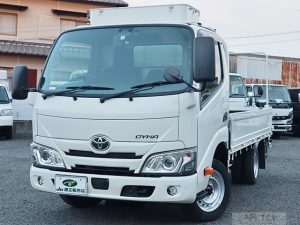
Toyota Dyna Truck 2022 Fuel Economy and Operating Costs
Fuel expenses can influence the profitability of any transport business. A careful purchase decision should consider realistic fuel consumption alongside servicing, tyres, repairs, and other ownership costs.
What Affects Fuel Consumption?
The Toyota Dyna Truck 2022 does not have one universal fuel-consumption figure. Engine type, transmission, cargo weight, road conditions, and driving habits all influence consumption.
A heavily loaded truck may consume more fuel than a lightly loaded vehicle. Congested traffic and frequent acceleration can also increase fuel use.
Ask the seller for details about the exact engine and configuration. Where possible, compare real-world consumption figures from trucks performing similar duties.
Ways to Manage Fuel Expenses
Good driving practices can help businesses manage fuel use. Encourage smooth acceleration, sensible speeds, and reduced unnecessary idling.
Maintain the recommended tyre pressure and follow the correct service schedule. Poor maintenance can affect performance and increase operating expenses.
Plan delivery routes carefully to reduce unnecessary journeys. Combining nearby deliveries may help your business use time and fuel more efficiently.
Calculate Total Ownership Costs
A truck’s purchase price represents only one part of its total cost. You should also budget for:
- Fuel and routine servicing.
- Tyres, brakes, and suspension maintenance.
- Insurance and registration requirements.
- Unexpected mechanical repairs.
- Cargo-body repairs or modifications.
- Applicable taxes and import-related expenses.
Consider the potential cost of business interruptions when a truck needs repairs. Maintenance history and mechanical condition matter because downtime can delay deliveries.
Toyota Dyna Truck 2022 Cargo Capacity and Body Styles
Cargo capacity should guide your truck selection. The correct configuration depends on the dimensions, weight, and handling requirements of your goods.
Toyota Dyna Dropside Truck
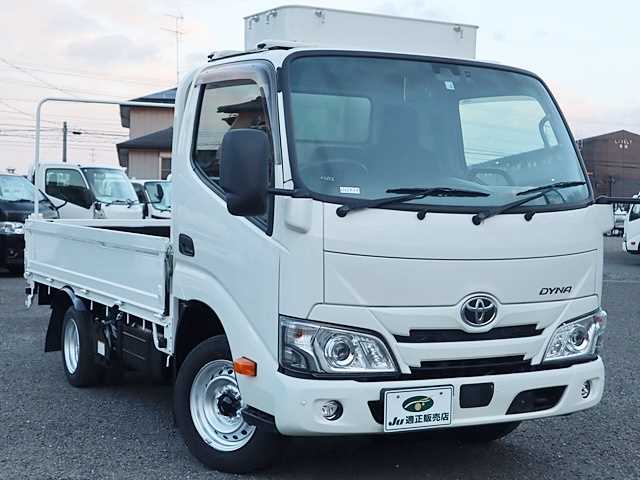
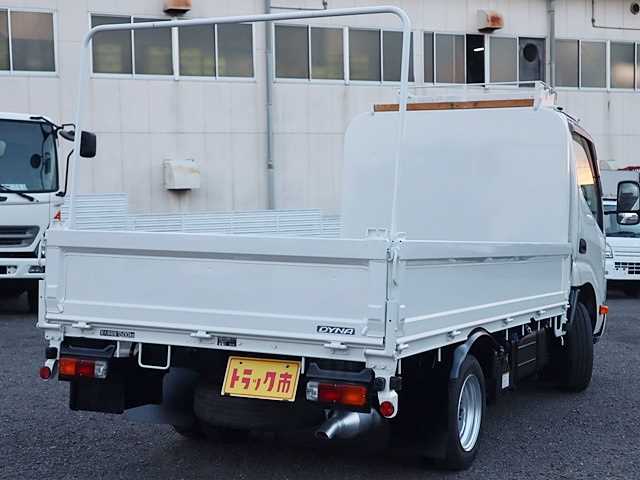
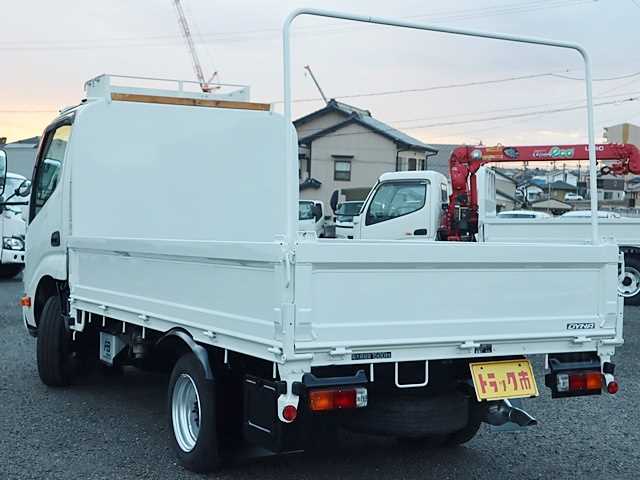
A dropside truck features hinged side panels that can simplify loading and unloading. This body style suits many businesses that transport general merchandise and suitable construction materials.
Hardware suppliers may use it for transporting products between stores and customers. Agricultural traders may also consider it for suitable produce and farm supplies.
Before purchasing, check the cargo deck dimensions and rated payload. Ensure the vehicle can safely handle your usual loads.
Toyota Dyna Box-Body Truck
An enclosed box body provides a covered cargo area. It can help protect suitable goods from rain, dust, and direct exposure to the elements.
Retail distributors, wholesalers, and delivery companies may find this configuration useful. The enclosed space can also support more organised cargo handling.
Check the internal height, width, and length before committing to a particular vehicle. Confirm that the body does not reduce the available payload beyond your requirements.
Toyota Dyna Tipper Truck
A suitable tipper configuration can support the transportation and unloading of certain loose materials. Construction suppliers and contractors may consider this option for appropriate applications.
However, not every Dyna chassis suits every tipper body. Confirm the chassis rating, tipping mechanism, payload, and body compatibility with a qualified specialist.
Always operate the tipping equipment according to its instructions and safety requirements.
Specialised Commercial Body Options
Some businesses require refrigerated, insulated, or customised cargo bodies. A suitable Dyna chassis may support certain specialised conversions.
Before choosing a converted vehicle, check its payload after the installation. Also confirm the equipment’s power requirements, maintenance needs, and suitability for your cargo.
Choose a professional conversion that meets applicable safety and regulatory requirements.
Understand Payload and Weight Limits
Never select a truck based only on its appearance or cargo-bed size. Check the manufacturer’s payload rating, gross vehicle weight, and axle limits.
Remember that the body, equipment, passengers, and cargo contribute to the vehicle’s operating weight. Overloading can affect braking, steering, handling, and mechanical durability.
Ask the seller for the correct specifications for the individual truck.
Toyota Dyna Truck 2022 Exterior Design and Practical Features
The Toyota Dyna uses a commercial design that prioritises functionality. Its cab-over layout creates a distinctive profile and helps make practical use of the available chassis length.
A Purpose-Built Commercial Appearance
The Dyna’s design suits businesses that need a dedicated goods vehicle. Its proportions reflect the practical requirements of cargo transportation.
Depending on the body style, the truck can support general deliveries, wholesale distribution, and specialised commercial work.
A clean and well-maintained vehicle can also support a professional business image. Regular washing and prompt repairs help preserve its appearance.
Practical Loading and Unloading
Loading access affects the time required to complete each delivery. Dropside bodies offer convenient access from different sides, while enclosed bodies provide covered storage.
Consider the equipment and staff involved in your loading process. Make sure the cargo area accommodates your products without unsafe stacking or overloading.
Inspect the Chassis and Body
Commercial trucks often experience demanding working conditions. Inspect the chassis, cargo deck, body mounts, tyres, lights, and exterior panels carefully.
Look for corrosion, structural damage, uneven repairs, and signs of poor modifications. A qualified mechanic can investigate concerns that require technical assessment.
Toyota Dyna Truck 2022 Interior and Driver Comfort
Commercial drivers may spend several hours operating their vehicles each day. A functional cabin can help make regular journeys more manageable.
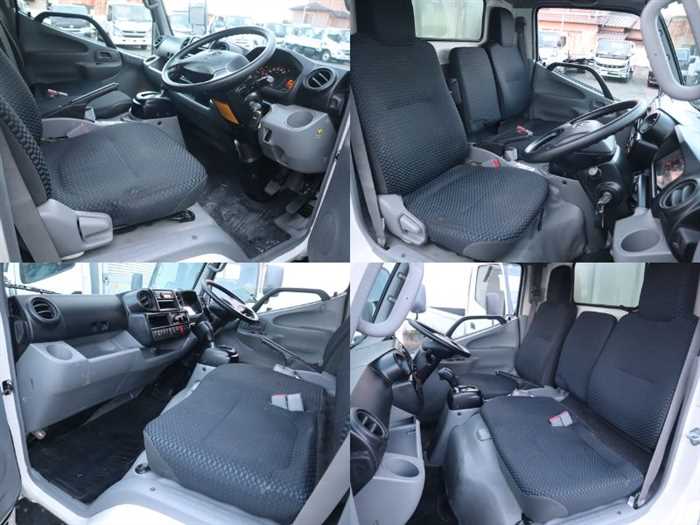
A Practical Cabin Layout
The Toyota Dyna focuses on straightforward commercial operation. Equipment varies by trim and market, but selected versions may include power steering, air conditioning, and power windows.
Confirm the installed features on the exact vehicle. Do not assume every 2022 Dyna includes identical comfort or convenience equipment.
Driving Position and Visibility
The cab-over design provides a distinctive driving position. Properly adjusted mirrors can help drivers monitor traffic and judge the truck’s position.
However, all commercial vehicles have blind spots. Drivers should check their surroundings before moving, reversing, or turning in crowded areas.
Comfort During Daily Operations
Air conditioning can improve comfort in warm weather. A suitable driving position and functional cabin controls can also support regular commercial use.
During inspection, check the driver’s seat, seatbelts, windows, door locks, air conditioning, and dashboard instruments. Test all fitted features before making a final decision.
Toyota Dyna Truck 2022 Safety Features
Safety should remain a priority when choosing a commercial vehicle. Equipment can differ according to the model, market, and trim level.
Braking and Vehicle Control
Some Dyna variants offer anti-lock braking systems, depending on their specifications. ABS can help maintain steering control during certain hard-braking situations, but it cannot prevent every collision.
Inspect the brakes, tyres, suspension, and steering components. Ask a qualified technician to investigate warning lights or unusual vehicle behaviour.
Occupant Protection
Airbags and other safety equipment vary by configuration. Verify which features the truck actually has.
Inspect the seatbelts, mirrors, lights, door locks, and dashboard warning systems. Ensure essential safety equipment works correctly before using the vehicle commercially.
Secure Cargo Transportation
Correct loading helps protect drivers, other road users, and transported goods. Distribute cargo appropriately and secure it against movement.
Never exceed the rated payload or axle limits. Avoid loads that obstruct the driver’s visibility, mirrors, or vehicle lights.
Toyota Dyna Truck 2022 for Businesses in Uganda
Businesses across Uganda depend on transportation to move goods between production, storage, and sales locations. The Toyota Dyna may support these activities when its configuration matches the workload.
Retail and Wholesale Distribution
Retailers and wholesalers often transport stock between warehouses, shops, and customers. A suitable Dyna can support scheduled deliveries and stock replenishment.
An enclosed body may suit goods that require additional weather protection. A dropside configuration may suit products that need convenient loading access.
Choose based on your cargo dimensions and handling requirements.
Construction and Hardware Supply
Hardware suppliers and contractors frequently transport tools, fittings, and building materials. A suitable Dyna configuration may help move these products between suppliers and project sites.
Heavy materials require careful attention to payload limits. Confirm the rated capacity before transporting cement, metal products, timber, or other substantial loads.
For loose materials, consider whether a compatible tipper truck would better support your operations.
Agriculture and Produce Transportation
Agricultural businesses need suitable vehicles for moving produce and supplies. A Dyna may support transport between farms, collection centres, markets, and storage facilities.
Consider cargo ventilation, weather protection, loading access, and weight. Fresh produce may require different handling arrangements from packaged farm supplies.
Choose a body that protects your products and suits your delivery schedule.
Delivery and Logistics Companies
Delivery businesses need trucks that match their cargo volumes and routes. The Toyota Dyna can serve suitable distribution and logistics operations.
Consider the number of daily deliveries, average load, journey distance, and unloading time. These factors help determine whether a particular configuration suits your business.
Small and Medium-Sized Enterprises
For a growing enterprise, owning a suitable truck may improve control over delivery schedules. It can also help reduce dependence on external transport providers for regular jobs.
However, assess your workload and finances before committing. Compare ownership costs with the cost of hiring transport for your typical delivery volume.


Toyota Dyna Truck 2022 Maintenance and Reliability
Regular maintenance supports vehicle performance and helps protect your investment. Follow the manufacturer’s schedule for the exact engine, transmission, and chassis.
Follow the Correct Service Schedule
Change engine oil and filters at the recommended intervals. Use fluids and replacement parts that meet the manufacturer’s specifications.
Inspect the cooling system, hoses, belts, battery, and other essential components. Address warning lights and unusual noises promptly.
Maintain the Tyres and Braking System
Commercial vehicles may carry substantial loads over varied road surfaces. Check tyre condition and maintain suitable pressure for the specified operating load.
Inspect the brakes and suspension for wear or damage. Arrange professional repairs whenever components require attention.
Keep Accurate Service Records
Record servicing, repairs, and replacement parts. These records help you track maintenance and assess future repair needs.
When buying a used Dyna, ask for available service documentation. Compare the records with the odometer reading and the truck’s actual condition.
Inspect Diesel Components Where Applicable
For diesel variants, maintain the fuel system according to the manufacturer’s instructions. Use suitable fuel and replace filters at the recommended intervals.
Ask a qualified mechanic to investigate difficult starting, excessive smoke, or changes in performance. Confirm the engine type before ordering replacement parts.
Toyota Dyna Truck 2022 Compared With Other Commercial Trucks
Comparing commercial vehicles helps you identify the right fit for your business. Consider payload, engine specifications, body options, maintenance needs, and purchase price.
Toyota Dyna Versus Smaller Delivery Vehicles
Smaller vans may suit businesses that carry compact loads and operate in restricted spaces. A Dyna may offer a more suitable platform for certain heavier or bulkier cargo requirements.
However, the correct choice depends on the actual payload and operating costs. Compare the dimensions and rated capacity of each vehicle rather than relying on appearance.
Toyota Dyna Versus Larger Commercial Trucks
Larger trucks may suit businesses with heavier loads or higher cargo volumes. They can also involve different purchase, maintenance, and operating costs.
The Dyna may suit operations that do not require a larger vehicle. Choose a truck that handles your typical workload without paying for capacity you rarely use.
Choose Based on Business Requirements
The best truck is not always the largest or most powerful. It is the vehicle that meets your cargo needs safely and economically.
List your typical loads, delivery routes, and expected weekly mileage. Use that information to compare available Dyna variants and competing models.
What to Check Before Buying a Toyota Dyna Truck 2022
A thorough inspection can help you avoid costly surprises. Review the vehicle’s documents, mechanical condition, and suitability for your intended work.
Verify the Model and Engine
Check the chassis and engine identification details against the registration documents. Confirm the model year and the specifications advertised by the seller.
Review the Mileage and Service History
Compare the odometer reading with available service records. Ask about previous commercial duties, repairs, and maintenance.
Mileage alone does not determine condition. Maintenance quality, loading practices, and operating conditions also influence a truck’s current state.
Arrange an Independent Mechanical Inspection
Ask a qualified mechanic to assess the engine, transmission, brakes, suspension, steering, chassis, and electrical systems.
Where practical, arrange a road test. Observe transmission operation, steering response, braking performance, warning lights, and unusual noises.
Confirm the Body and Payload
Measure the cargo area and compare it with your products. Verify the rated payload and axle limits.
If the truck has a customised body, confirm the quality and suitability of the conversion. Ask whether the modification affects the vehicle’s capacity or compliance requirements.
Review the Documents and Final Price
Check ownership documents, registration details, and import paperwork where applicable. Confirm the total purchase price and any applicable fees with the seller.
Include likely immediate servicing and repairs in your budget. If the truck requires a body conversion, calculate those costs before committing.
Is the Toyota Dyna Truck 2022 a Good Investment?
The Toyota Dyna Truck 2022 may suit businesses that need a practical commercial vehicle for regular goods transportation. Its value depends on the condition, configuration, price, and intended workload.
Buyers should evaluate the engine, payload, transmission, and cargo-body options. They should also consider servicing access and the cost of keeping the vehicle operational.
A correctly specified truck can support organised deliveries and everyday business activities. However, no model year guarantees reliability without proper maintenance and inspection.
Compare available vehicles carefully and select one that meets your actual requirements.
Frequently Asked Questions About the Toyota Dyna Truck 2022
1. What is the Toyota Dyna Truck 2022?
The Toyota Dyna Truck 2022 is a commercial truck designed for goods transportation. Depending on the variant, it can support distribution, agriculture, construction supplies, and other business applications.
2. Is the Toyota Dyna Truck 2022 suitable for Uganda?
A suitable configuration can support many Ugandan businesses, including retailers, wholesalers, agricultural traders, and contractors. Buyers should assess the truck’s condition, payload, and intended routes before purchasing.
3. What engine does the Toyota Dyna Truck 2022 have?
Engine specifications vary by model and market. Some configurations use diesel engines, including certain 2.8-litre and 4.0-litre variants. Verify the engine code of the specific truck.
4. Is the Toyota Dyna Truck 2022 diesel-powered?
Many Dyna configurations use diesel engines, although fuel type depends on the variant. Confirm the engine specification from the vehicle documents and identification details.
5. How much fuel does the Toyota Dyna Truck 2022 consume?
Fuel consumption depends on engine type, transmission, cargo weight, road conditions, and driving habits. Ask for realistic figures for the exact variant and workload.
6. What transmission options are available?
Transmission options vary across Dyna configurations. Some models use manual gearboxes, while selected variants may offer automatic transmission. Confirm the fitted gearbox before purchasing.
7. What cargo bodies can the Toyota Dyna Truck 2022 use?
Depending on the chassis, it may be available with dropside, box-body, tipper, or specialised commercial bodies. Confirm compatibility and payload ratings before choosing a conversion.
8. Can the Toyota Dyna Truck 2022 carry building materials?
A suitable variant can transport building materials within its rated payload and axle limits. Always confirm the vehicle’s capacity and secure the cargo correctly.
9. What should I check when buying a used Toyota Dyna Truck 2022?
Inspect the engine, transmission, chassis, brakes, tyres, suspension, cargo body, and electrical systems. Review the service history and documents, and arrange an independent mechanical inspection.
10. Where can I find a Toyota Dyna Truck 2022 in Uganda?
Visit Car Dealer Uganda at cardealer.ug to explore available vehicle listings. Compare specifications and prices, then confirm the vehicle’s condition and documentation with the seller.
Find Your Toyota Dyna Truck 2022 on Car Dealer Uganda
Are you ready to find a practical truck for your transportation needs? Explore the Toyota Dyna Truck 2022 on Car Dealer Uganda and compare available listings.
Choose the right engine, transmission, body style, and payload for your business. Review the service history and arrange a mechanical inspection before finalising your purchase.
Visit cardealer.ug today to explore available commercial vehicles and find a Toyota Dyna that suits your business requirements.
Invest in a vehicle that matches your workload, supports your delivery plans, and helps you manage your commercial transportation needs.


