

Description
Toyota Dyna Root Van 2012 for Sale in Uganda – Reliable Commercial Delivery Truck
SEO Title: Toyota Dyna Root Van 2012 for Sale in Uganda | Car Dealer Uganda
Meta Description: Discover the Toyota Dyna Root Van 2012 for sale in Uganda. Explore its commercial practicality, cargo space, business benefits, and everyday reliability on Car Dealer Uganda.
Focus Keyword: Toyota Dyna Root Van 2012
Related Keywords: Toyota Dyna 2012 Uganda, Toyota Dyna Root Van for…
Toyota Dyna Root Van 2012 for Sale in Uganda – Reliable Commercial Delivery Truck
SEO Title: Toyota Dyna Root Van 2012 for Sale in Uganda | Car Dealer Uganda
Meta Description: Discover the Toyota Dyna Root Van 2012 for sale in Uganda. Explore its commercial practicality, cargo space, business benefits, and everyday reliability on Car Dealer Uganda.
Focus Keyword: Toyota Dyna Root Van 2012
Related Keywords: Toyota Dyna 2012 Uganda, Toyota Dyna Root Van for Sale, used Toyota Dyna in Uganda, Toyota commercial truck, delivery van Uganda, business trucks in Uganda, Toyota Dyna cargo truck.
Toyota Dyna Root Van 2012 – A Practical Commercial Vehicle for Ugandan Businesses
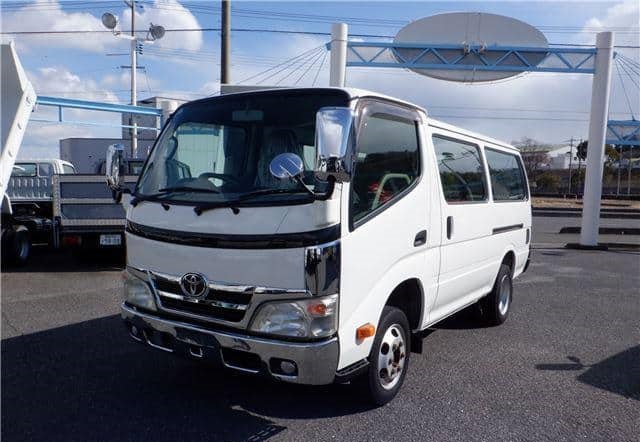
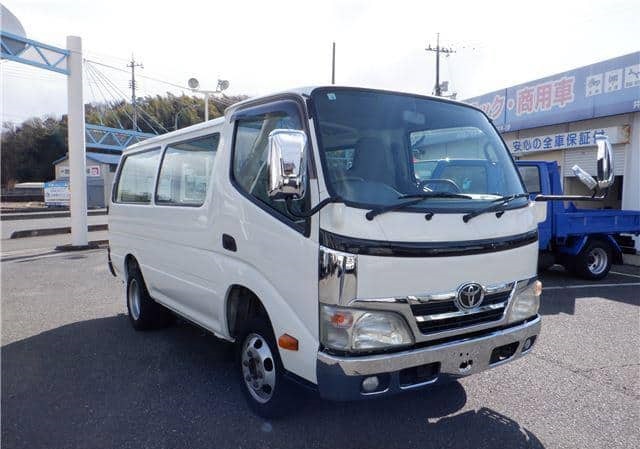
The Toyota Dyna Root Van 2012 offers a practical solution for businesses that need dependable cargo transportation. Its commercial design supports deliveries, stock distribution, and daily business operations. It suits entrepreneurs who want to move goods efficiently between suppliers, warehouses, shops, and customers.
For Ugandan businesses, reliable transportation plays an important role in customer satisfaction. A suitable commercial vehicle helps reduce delivery delays and improve stock movement. The Toyota Dyna Root Van 2012 provides a useful option for businesses seeking a dedicated work vehicle.
Whether you operate a wholesale shop, retail outlet, distribution company, or delivery service, this truck deserves consideration. Its enclosed cargo body can help protect goods from direct sunlight, dust, and ordinary road splashes when properly maintained. The exact protection depends on the body construction, door seals, and overall condition.
Car Dealer Uganda helps buyers explore vehicle options that match their business needs. Before purchasing, confirm the specific vehicle’s mechanical condition, body configuration, registration details, and available specifications.
Why Choose the Toyota Dyna Root Van 2012 in Uganda?
Commercial buyers need more than an attractive vehicle. They need practical cargo capacity, manageable operating costs, convenient loading, and dependable performance. The Toyota Dyna Root Van 2012 can meet many of these requirements when its configuration suits the intended workload.
1. Practical Cargo Transportation
The Toyota Dyna Root Van 2012 supports businesses that transport products throughout the working day. Its enclosed cargo compartment offers a practical alternative to an open truck body for suitable loads.
Businesses can use it to transport packaged merchandise, household supplies, cartons, tools, and other commercial goods. The actual cargo capacity depends on the specific chassis, body dimensions, axle ratings, and manufacturer specifications.
Before purchasing, measure your regular cargo and compare it with the available loading space. Also, verify the manufacturer’s payload rating. Never assume that every Toyota Dyna Root Van carries the same load.
2. Support for Daily Business Operations
A dedicated delivery vehicle gives businesses greater control over their transportation schedules. You can coordinate collections, supplier visits, customer deliveries, and warehouse transfers around your operating hours.
The Toyota Dyna Root Van 2012 may suit businesses with recurring delivery routes. Retailers can replenish their shops, wholesalers can distribute merchandise, and service providers can transport equipment.
This flexibility can help businesses organise deliveries more effectively. It can also reduce dependence on hired transportation when the vehicle’s ownership and operating costs make financial sense.
3. Enclosed Cargo Body
The enclosed body represents an important consideration for businesses that carry goods requiring additional protection. It helps shield cargo from direct sun exposure and ordinary environmental conditions.
An enclosed compartment can also improve privacy during transportation. Businesses may find this useful when moving boxed merchandise, tools, supplies, or packaged products.
However, buyers should inspect the cargo body carefully. Check the roof, floor, side panels, hinges, door locks, and seals. Look for rust, water entry, damaged panels, and signs of previous repairs.
4. Commercial Vehicle Practicality
The Toyota Dyna belongs to Toyota’s commercial vehicle family. Its work-oriented design makes the model relevant to businesses that prioritise transportation over passenger comfort.
The 2012 model may appeal to buyers seeking a used commercial vehicle instead of a newer, more expensive option. However, age alone does not determine value. Maintenance history, mileage, operating condition, and previous workload all influence a vehicle’s suitability.
A well-inspected vehicle with clear documentation can offer better value than a neglected example with an attractive asking price.
Toyota Dyna Root Van 2012 Design and Exterior
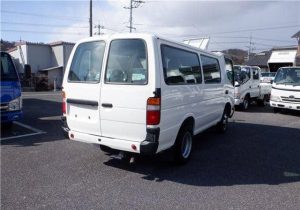
The Toyota Dyna Root Van 2012 features a commercial vehicle layout designed around practical work requirements. Its cab and cargo-body arrangement supports transportation tasks rather than private passenger travel.
Functional Cab Design
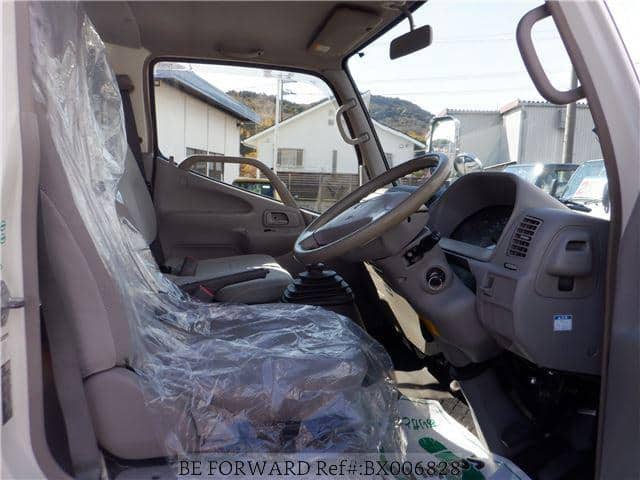
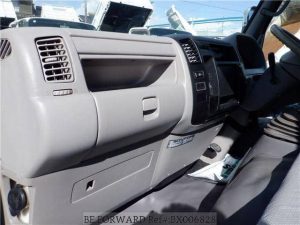
The cab provides the driver with a dedicated working area. Depending on the particular version, the vehicle may feature different seating arrangements, dashboard layouts, and equipment.
Buyers should inspect the driver’s seat, seat belts, mirrors, dashboard controls, door mechanisms, and visibility. Test the lights, indicators, wipers, horn, and other essential equipment.
A comfortable and functional cab can make repeated delivery trips more manageable. Properly adjusted mirrors also help drivers monitor the vehicle’s surroundings.
Enclosed Cargo Compartment
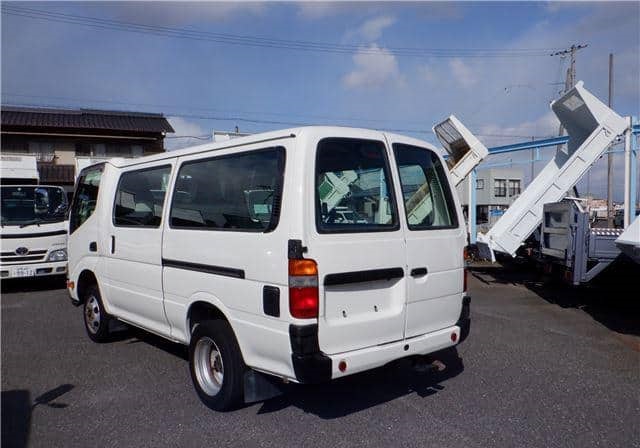
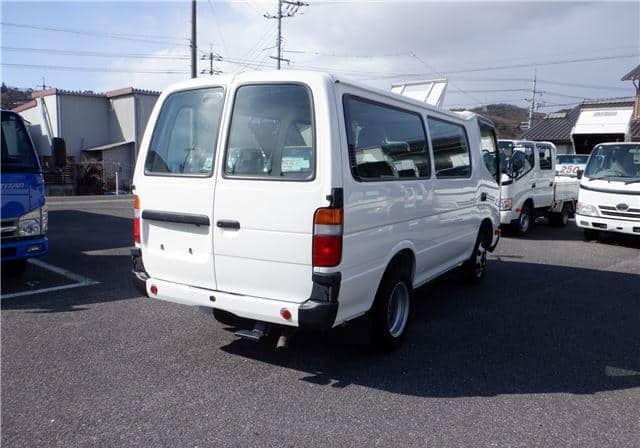
The root van body provides enclosed storage for suitable commercial loads. Its practical value depends on the cargo area’s dimensions, door arrangement, and loading height.
Check whether the rear doors open smoothly and remain secure during operation. Inspect the loading floor for damage and confirm that your usual goods fit comfortably.
Businesses handling fragile or moisture-sensitive products should consider suitable internal packaging and cargo restraints. An enclosed body does not automatically guarantee waterproofing or temperature control.
Compact Commercial Design
The Toyota Dyna range includes different body and chassis configurations. Some versions may suit urban deliveries, while others support heavier commercial applications.
Do not assume that every 2012 Root Van has identical dimensions or turning characteristics. Confirm the exact vehicle’s measurements and test its manoeuvrability before purchasing.
This step matters when operating in busy trading centres, narrow access roads, crowded markets, and premises with limited parking space.
Engine, Performance, and Driving Considerations
The Toyota Dyna Root Van 2012 was available in different configurations across markets. Engine type, displacement, transmission, and drivetrain can vary by the exact model and original market.
For that reason, buyers should verify the vehicle identification details instead of relying on a general online description.
Engine Condition and Reliability
A commercial vehicle often works under demanding conditions. Regular maintenance and careful operation can help preserve engine performance.
During an inspection, start the engine from cold when possible. Listen for unusual mechanical noises and observe the exhaust for persistent abnormal smoke. Check for fluid leaks and signs of overheating.
Ask for service records and details of previous engine repairs. A qualified mechanic can assess compression, cooling-system condition, lubrication, and other important components.
Toyota branding alone cannot guarantee the condition of an older used truck. A thorough mechanical inspection offers stronger evidence of its current suitability.
Transmission and Drivetrain
The transmission affects how the vehicle handles traffic, gradients, and loaded driving. Confirm whether the specific truck uses a manual or another transmission configuration.
During a professional road test, check gear engagement, clutch operation where applicable, unusual vibrations, and drivetrain noises. Also, inspect the brakes and steering.
The test should reflect safe driving conditions and comply with local road requirements. Avoid buying a vehicle before checking for serious mechanical faults.
Fuel Economy and Running Costs
Fuel consumption matters when a business operates frequent delivery routes. However, the Toyota Dyna Root Van 2012 does not have one universal fuel-consumption figure.
Actual consumption depends on engine configuration, cargo weight, traffic, road conditions, maintenance, driving habits, and tyre condition.
Ask the seller about the vehicle’s observed fuel use, but treat unsupported claims cautiously. If possible, assess fuel consumption across representative routes after confirming the vehicle’s condition.
Also, calculate maintenance, tyres, insurance, licensing, parking, and expected downtime. A sensible ownership budget considers the entire operating cost rather than fuel alone.
Business Uses of the Toyota Dyna Root Van 2012 in Uganda
The Toyota Dyna Root Van 2012 can support several commercial activities when its specifications match the work.
Retail and Wholesale Distribution
Retailers and wholesalers need consistent transportation between storage facilities, suppliers, and selling locations. An enclosed cargo truck can help move cartons, packaged household products, clothing, and general merchandise.
Businesses can organise delivery schedules around customer demand and stock levels. This can improve coordination between purchasing, storage, and sales.
Always match the load to the vehicle’s approved payload and secure the goods before travel.
E-Commerce and Parcel Delivery
Online sellers need dependable ways to move customer orders from storage locations to delivery points. A suitable root van can support bulk transfers and scheduled parcel distribution.
Businesses can use it to replenish pickup centres, supply delivery teams, or transport multiple orders along planned routes.
For smaller deliveries, consider whether the vehicle’s size and operating costs make sense. Route planning can help reduce unnecessary trips and improve productivity.
Food and Beverage Distribution
The Toyota Dyna Root Van 2012 may transport packaged groceries, bottled drinks, dry food products, and other suitable supplies.
Businesses must consider hygiene, ventilation, packaging, and cargo separation. Products that require refrigeration need an appropriate temperature-controlled system.
Do not treat a standard enclosed cargo body as a refrigerated compartment. Confirm the vehicle’s equipment before using it for temperature-sensitive products.
Hardware and Building Supplies
Hardware businesses often move tools, packaged fittings, plumbing supplies, electrical accessories, and other merchandise. A root van may suit items that fit its cargo dimensions and approved payload.
Buyers should check the loading opening and floor strength before transporting bulky goods. Heavy or sharp items require suitable restraints and careful weight distribution.
For exceptionally heavy construction materials, confirm that the particular vehicle’s rated capacity meets the job requirements.
Office Equipment and Business Supplies
Companies may use a commercial van to transport office furniture, packaged equipment, stationery, and general supplies.
The enclosed body can help protect suitable goods during transit. Proper padding and secure loading reduce the risk of movement and damage.
Service businesses can also use the vehicle to move tools and equipment between work locations.
Regional Deliveries
Businesses operating beyond central Kampala may need a vehicle for regular inter-town distribution. The Toyota Dyna Root Van 2012 could serve this role if its condition, payload, and mechanical configuration suit the routes.
Before purchasing for long-distance operations, inspect the cooling system, tyres, suspension, brakes, steering, and drivetrain. Review maintenance history and assess the vehicle’s readiness for extended journeys.
A pre-purchase inspection becomes especially important when the truck will operate daily or travel long distances.
Interior Comfort and Driver Convenience
Commercial drivers may spend many hours behind the wheel. The condition and layout of the cab therefore deserve careful attention.
Seating and Driving Position
Inspect the driver’s seat for excessive wear, damaged adjustment mechanisms, and inadequate support. Check that the pedals and steering wheel operate correctly.
The exact cab layout varies by version. Confirm the seating capacity and equipment in the specific vehicle rather than assuming standard features.
Visibility and Controls
Clear visibility supports safer driving in traffic and during loading-area manoeuvres. Test the mirrors, windows, lights, indicators, and wipers.
Check the dashboard for warning lights and confirm that essential instruments function correctly. Ask a qualified technician to investigate persistent warning indicators before purchase.
Cabin Condition
Inspect the floor, door panels, dashboard, seat coverings, and interior fittings. Excessive wear may indicate heavy use, although it does not prove poor maintenance by itself.
Look for signs of water entry and check whether the doors close securely. A clean cab is useful, but mechanical condition should remain the main priority.
Toyota Dyna Root Van 2012 Maintenance Guide
Consistent maintenance helps commercial vehicles remain productive. It also helps owners identify developing problems before they cause expensive interruptions.
Follow the Correct Service Schedule
Use the maintenance schedule that matches the exact engine and vehicle specification. Replace engine oil, filters, and other service items at the recommended intervals.
Keep service receipts and record significant repairs. Good records help track maintenance and support future resale discussions.
Inspect the Cooling System
Commercial driving can place significant demands on the cooling system. Check coolant levels, hoses, radiator condition, and evidence of leaks.
Investigate repeated overheating immediately. Continuing to operate an overheating engine can cause serious damage.
Maintain Tyres and Brakes
Inspect tyres for uneven wear, cracks, damage, and incorrect inflation. Use suitable tyres that match the manufacturer’s specifications.
Check brake operation, brake-fluid condition where applicable, and any unusual noises. Have a qualified mechanic inspect worn components promptly.
Monitor Suspension and Steering
Cargo loads and rough roads can place stress on suspension components. Listen for unusual noises and watch for excessive vehicle movement or uneven tyre wear.
Have the steering and suspension checked during routine servicing. Correct faults before they compromise vehicle control.
Protect the Cargo Body
Inspect the roof, floor, hinges, locks, and body joints regularly. Repair corrosion and damaged seals before they allow further deterioration.
Keep the cargo compartment clean and dry. Secure tools and merchandise to reduce movement during transport.
Buying a Used Toyota Dyna Root Van 2012 in Uganda
A used commercial vehicle can support business growth, but buyers should evaluate it carefully. The following checks can help you make a more informed decision.
Verify the Vehicle Documents
Check the registration documents, chassis number, engine number where applicable, and ownership details. Ensure that the identifiers match the vehicle and the available paperwork.
Confirm the vehicle’s legal status and any relevant outstanding obligations before completing the transaction. Seek guidance from the appropriate Ugandan authorities when necessary.
Confirm the Exact Specifications
Ask the seller to confirm the engine type, transmission, drivetrain, payload rating, and cargo-body dimensions.
Check the manufacturer’s identification plate and relevant documentation. These details help establish whether the truck suits your intended business activities.
Inspect the Mechanical Condition
Arrange an independent inspection before making a commitment. The mechanic should assess the engine, transmission, brakes, steering, suspension, cooling system, and electrical equipment.
Request a road test where safe and legally permitted. Do not rely solely on photographs or the seller’s verbal assurances.
Examine the Chassis and Cargo Body
Inspect the chassis for corrosion, cracks, poor repairs, or signs of structural damage. Examine the cargo floor, roof, doors, and body mounts.
Commercial vehicles can experience demanding workloads. A careful inspection helps identify problems that cosmetic cleaning may conceal.
Review the Mileage and Service History
Compare the odometer reading with available service records and the vehicle’s general condition. Treat inconsistent information as a reason for further investigation.
Mileage alone does not determine the vehicle’s value. Maintenance quality, working conditions, repairs, and overall condition also matter.
Calculate the Total Ownership Cost
Look beyond the purchase price. Include insurance, licensing, fuel, routine servicing, repairs, tyres, and any necessary modifications.
Consider how much revenue the truck could reasonably support. A vehicle makes better financial sense when its operating costs align with realistic business demand.
Toyota Dyna Root Van 2012 Compared with Other Commercial Vehicles
Buyers may compare the Toyota Dyna Root Van 2012 with other light commercial trucks and delivery vans. The right choice depends on the cargo, routes, budget, and availability of maintenance support.
Toyota Dyna Root Van vs. an Open-Body Truck
An open-body truck may suit bulky items that require loading from the sides or above. An enclosed root van may better suit packaged goods that benefit from additional weather protection and privacy.
Compare the payload ratings and cargo dimensions before choosing either configuration.
Toyota Dyna Root Van vs. a Smaller Delivery Van
A smaller delivery van may suit compact loads and tight urban routes. A Dyna-based commercial vehicle may offer a different capacity and body arrangement, depending on its specification.
Compare purchase price, cargo volume, fuel use, maintenance needs, and manoeuvrability. Choose the vehicle that best fits your actual delivery workload.
Toyota Dyna Root Van vs. a Newer Commercial Truck
A newer truck may offer a more recent design, lower wear, or different equipment. However, its purchase price may exceed the budget of some businesses.
The 2012 model may appeal to buyers who prioritise affordability. Its value still depends on condition, documentation, maintenance history, and market price.
A well-maintained older truck may suit some businesses, while another buyer may benefit more from a newer vehicle.
Is the Toyota Dyna Root Van 2012 Suitable for Your Business?
The Toyota Dyna Root Van 2012 deserves consideration if you need an enclosed commercial vehicle for regular goods transportation.
It may suit businesses that:
- Deliver packaged products to customers.
- Move stock between warehouses and retail shops.
- Supply wholesale and distribution networks.
- Transport tools and suitable business equipment.
- Need an enclosed cargo compartment.
- Want to evaluate a used commercial truck within a defined budget.
Before choosing, compare the vehicle’s payload, dimensions, condition, operating costs, and maintenance requirements against your workload.
The best purchase is not necessarily the cheapest truck. It is the vehicle that safely and economically meets your transportation needs.
Frequently Asked Questions About the Toyota Dyna Root Van 2012
1. Is the Toyota Dyna Root Van 2012 available in Uganda?
Availability depends on current dealer stock and private listings. Visit Car Dealer Uganda to explore available commercial vehicles and confirm the details of any listing that interests you.
2. What businesses can use the Toyota Dyna Root Van 2012?
Retailers, wholesalers, distributors, e-commerce businesses, and service companies may find it useful. Its suitability depends on the specific vehicle’s cargo dimensions and rated payload.
3. Is the Toyota Dyna Root Van 2012 fuel-efficient?
Fuel economy depends on the engine, transmission, cargo weight, traffic, maintenance, and driving style. Ask for credible consumption information about the exact vehicle and assess its performance under realistic operating conditions.
4. What is the payload capacity of the Toyota Dyna Root Van 2012?
Payload capacity varies by chassis, body configuration, axle ratings, and market specification. Confirm the manufacturer’s rating for the exact vehicle before carrying commercial loads.
5. Does the Toyota Dyna Root Van 2012 have a diesel engine?
Engine options can vary by version and original market. Verify the engine type using the vehicle identification details and available documentation.
6. Is the Toyota Dyna Root Van 2012 suitable for Kampala deliveries?
It may suit Kampala deliveries when its dimensions, payload, and operating costs match the business. Assess parking access, traffic conditions, loading areas, and delivery routes before purchasing.
7. Can the Toyota Dyna Root Van 2012 transport food products?
It can transport suitable packaged food products if the cargo area meets the required hygiene standards. Temperature-sensitive products need suitable refrigeration or temperature-control equipment.
8. What should I inspect before buying a used Toyota Dyna Root Van 2012?
Inspect the engine, transmission, brakes, tyres, suspension, chassis, cargo body, and electrical systems. Verify the documents and arrange an independent mechanical assessment.
9. How much does a Toyota Dyna Root Van 2012 cost in Uganda?
The price depends on condition, mileage, configuration, documentation, and seller expectations. Contact the seller through the relevant listing to confirm the current asking price and negotiate after inspection.
10. Where can I find commercial vehicles in Uganda?
You can explore vehicle listings on Car Dealer Uganda at cardealer.ug. Confirm the vehicle’s availability, specifications, documentation, and condition directly with the seller.
Find the Toyota Dyna Root Van 2012 on Car Dealer Uganda
The Toyota Dyna Root Van 2012 offers a practical option for businesses that need an enclosed cargo vehicle. It can support distribution, retail deliveries, stock transfers, and other suitable commercial transportation tasks.
Choose carefully by checking the truck’s mechanical condition, payload rating, cargo dimensions, and service history. Confirm all specifications before making a purchase decision.
Explore commercial vehicle listings on Car Dealer Uganda at cardealer.ug. Compare available options, contact sellers, and choose a vehicle that fits your business requirements.
Car Dealer Uganda – Connecting Buyers with Commercial Vehicles for Business and Everyday Transportation.


