

Description
Howo SINOTRUK Light Truck 2025 for Sale in Uganda – Power, Productivity, and Reliable Commercial Transport
SEO Title: SINOTRUK Light Truck 2025 for Sale in Uganda | Car Dealer Uganda
Meta Description: Discover the Howo Light Duty Tipper Truck in Uganda. Explore its construction capabilities, cargo versatility, operating efficiency, and commercial value on Car Dealer Uganda.
Focus Keyword: Howo SINOTRUK Light Truck 2025
Related Keywords: Howo tipper truck for sale in Uganda, Howo light duty…
Howo SINOTRUK Light Truck 2025 for Sale in Uganda – Power, Productivity, and Reliable Commercial Transport
SEO Title: SINOTRUK Light Truck 2025 for Sale in Uganda | Car Dealer Uganda
Meta Description: Discover the Howo Light Duty Tipper Truck in Uganda. Explore its construction capabilities, cargo versatility, operating efficiency, and commercial value on Car Dealer Uganda.
Focus Keyword: Howo SINOTRUK Light Truck 2025
Related Keywords: Howo tipper truck for sale in Uganda, Howo light duty truck, Howo dump truck Uganda, commercial tipper truck, construction tipper truck Uganda, Howo truck price in Uganda, light duty dump truck, Chinese tipper truck, tipper truck for construction, Car Dealer Uganda.
Howo Light Duty Tipper Truck: A Practical Partner for Commercial Success
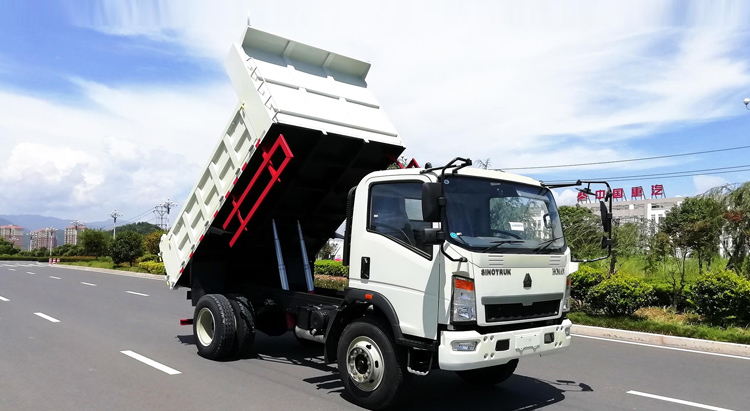
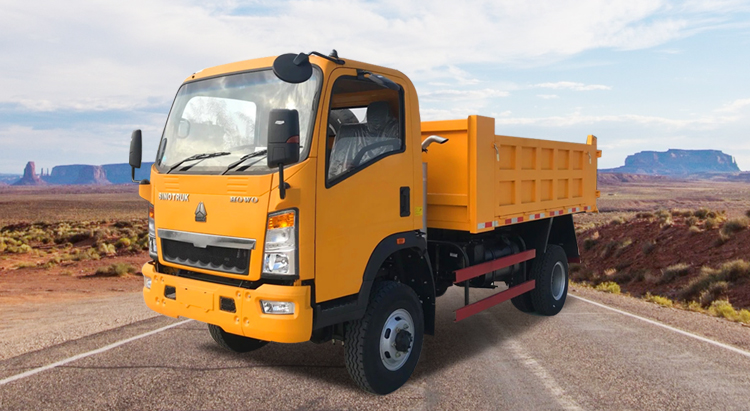
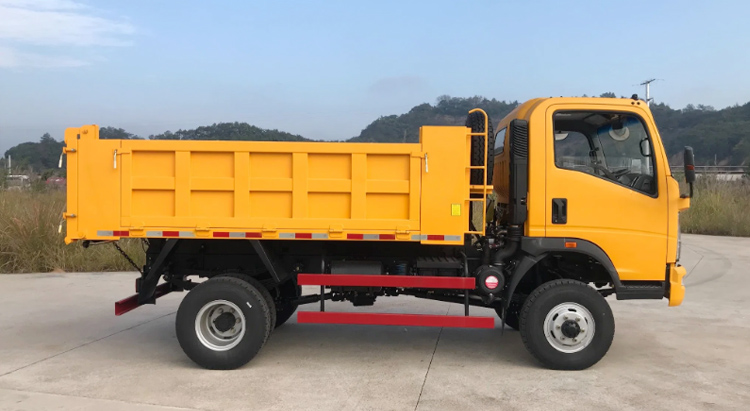
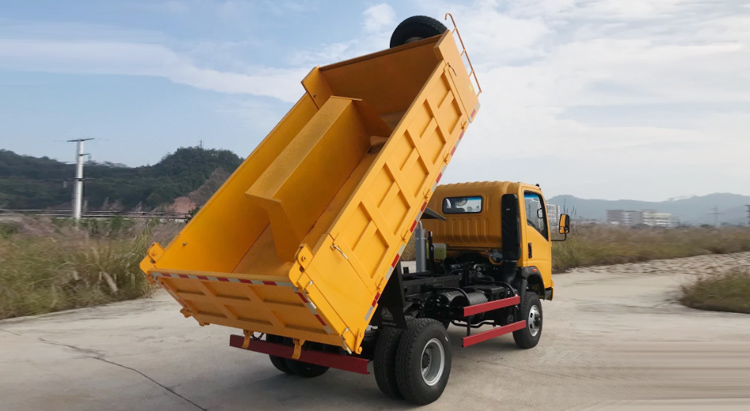
The Howo Light Duty Tipper Truck offers a practical transport solution for businesses that move loose materials, construction supplies, and other suitable cargo. Its tipper body supports convenient unloading, helping operators manage demanding delivery schedules.
For construction companies, building material suppliers, landscaping businesses, and independent contractors, efficient material transport plays an important role in daily operations. A suitable tipper truck helps move materials between suppliers, construction sites, storage yards, and customer locations.
The Howo name belongs to Sinotruk, a commercial vehicle manufacturer known for its truck range. Buyers should confirm the exact model, payload rating, engine specification, and equipment before choosing a particular light-duty tipper.
At Car Dealer Uganda, buyers can explore commercial vehicle listings and compare trucks that match their business requirements. A careful comparison helps you evaluate purchase costs, carrying capacity, maintenance needs, and long-term operating value.
Whether you manage a construction business or plan to expand your transport services, the Howo Light Duty Tipper Truck deserves consideration. The right configuration can support productive operations while helping your business meet customer deadlines.
Why Choose a SINOTRUK Light Truck 2025 in Uganda?
Uganda’s construction, agriculture, landscaping, and building supply sectors rely on practical material transport. Businesses need vehicles that suit their cargo, routes, working conditions, and budgets.
A light-duty tipper can meet these needs when its specifications match the intended workload.
1. Convenient Tipping for Faster Unloading
A tipper body allows operators to unload suitable loose materials by raising the cargo bed. This function can reduce the manual effort associated with unloading certain types of cargo.
Depending on the truck configuration, operators may use the vehicle to transport sand, gravel, soil, aggregate, and other approved materials.
The tipping mechanism can help businesses organise repeated deliveries more efficiently. It also supports work at construction sites where workers need to distribute materials quickly.
However, unloading efficiency depends on the body design, hydraulic system, ground conditions, and cargo characteristics. Operators must follow the manufacturer’s procedures and avoid unloading on unstable or sloping surfaces.
2. Practical Size for Suitable Commercial Jobs
A light-duty tipper may suit operations that do not require a large heavy-duty dump truck. Its usefulness depends on the specific vehicle’s gross vehicle weight, payload rating, dimensions, and axle configuration.
Smaller construction contractors may value a truck that fits their regular delivery requirements. Businesses can also evaluate whether its dimensions suit their access roads, loading areas, and work sites.
Do not judge a truck’s capacity by appearance alone. Confirm the official payload rating and ensure the intended cargo stays within the manufacturer’s limits.
3. Versatility Across Different Industries
The SINOTRUK Light Truck 2025 can support a range of commercial activities when operators select the right specification.
Potential applications include:
- Transporting sand and aggregate for building projects.
- Delivering soil and suitable landscaping materials.
- Moving gravel for approved road maintenance work.
- Supplying materials to construction contractors.
- Supporting agricultural operations that handle suitable bulk materials.
- Transporting selected loose cargo between yards and work sites.
- Supporting municipal or private maintenance contracts where the vehicle meets project requirements.
Every application requires an appropriate payload, body design, and operating setup. Check local transport regulations before carrying specialised or restricted cargo.
Howo Light Duty Tipper Truck Performance and Capability
A commercial truck must match its workload to deliver dependable results. Buyers should therefore examine engine performance, transmission, chassis strength, axle configuration, and tipping equipment.
Engine Performance for Commercial Operations
The exact engine in a SINOTRUK Light Truck 2025 depends on its model and specification. Different versions may offer different engine capacities, power outputs, and emissions systems.
Before buying, request the engine details from the seller. Compare the rated power and torque with your typical cargo weight, routes, gradients, and operating schedule.
An appropriately specified engine can help the truck handle its intended work. However, performance also depends on payload, gearing, maintenance, road conditions, and driving technique.
Avoid choosing a truck based on horsepower alone. Your business needs a balanced combination of carrying capacity, drivability, operating costs, and reliability.
Transmission and Gear Selection
Transmission specifications vary between truck models. The transmission should suit the intended load, terrain, and driving conditions.
During a test drive, check gear engagement and listen for unusual mechanical sounds. Ask a qualified technician to inspect the clutch, gearbox, driveline, and related components where applicable.
Drivers should understand the correct gear selection for starting, climbing, slowing down, and operating under load. Proper driving practices help reduce unnecessary strain on the drivetrain.
Chassis and Load Support
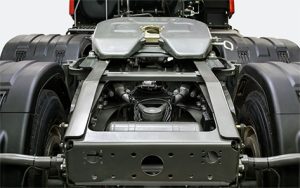
The chassis supports the truck’s major components and helps carry its permitted load. Its condition matters particularly when the vehicle regularly works on construction sites.
Inspect the frame for cracks, corrosion, bends, and signs of poor repairs. Check the mounting points that connect the tipper body to the chassis.
Ask the seller about previous overloading or structural repairs. A professional inspection can help identify concerns before they affect your operations.

Howo Light Duty Tipper Truck Payload and Tipping Body
Payload capacity determines how much cargo a truck can legally and safely carry. It also affects the number of trips required for each delivery.
Understanding Payload Capacity
The advertised description alone does not establish a truck’s payload. Buyers need the exact vehicle’s rated gross vehicle weight and tare weight.
Payload generally represents the permitted total load the truck can carry after accounting for the vehicle’s own weight. Body equipment, fuel, occupants, and accessories can affect the available carrying capacity.
Ask the seller for the manufacturer’s specifications and relevant registration details. Confirm that the intended cargo falls within the truck’s legal and technical limits.
Overloading increases stress on the tyres, brakes, suspension, chassis, and drivetrain. It can also reduce stability and increase stopping distances.
Choosing the Right Tipper Body
The tipper body should suit the materials your business transports. Consider its volume, construction, floor condition, side panels, tailgate, and hydraulic arrangement.
A body suitable for sand may not suit every type of heavy or abrasive cargo. Material density can also limit how much a truck can carry before reaching its weight rating.
Inspect the body for corrosion, cracks, worn hinges, damaged locks, and uneven repairs. Check that the tailgate closes securely and operates as intended.
Ask whether the body matches the truck’s original specification. Confirm that any modifications meet relevant safety and registration requirements.
Hydraulic Tipping System
The hydraulic system raises and lowers the cargo bed. Its condition directly affects safe unloading and operational productivity.
Inspect hydraulic hoses, cylinders, fittings, fluid levels, and visible signs of leakage. Operate the tipping mechanism only according to the manufacturer’s instructions and under suitable conditions.
The bed should move smoothly without unusual noises or obvious instability. Have a qualified technician investigate slow operation, jerking, leaks, or difficulty lowering the body.
Never work beneath a raised tipper body without the manufacturer’s approved mechanical safety support. Hydraulic pressure alone does not provide safe support for maintenance work.

Fuel Economy and Operating Costs of a Howo Light Duty Tipper Truck
Fuel represents a major operating expense for commercial vehicles. Businesses should estimate realistic consumption before committing to a purchase.
What Influences Fuel Consumption?
The fuel consumption of a Howo Light Duty Tipper Truck depends on its exact engine, payload, road conditions, driving style, and mechanical condition.
Frequent stops, steep gradients, rough surfaces, idling, and heavy loads can increase fuel use. Long periods of operation under unsuitable gearing can also reduce efficiency.
A well-maintained truck operating within its rated limits has a better chance of delivering predictable performance. Nevertheless, no single fuel consumption figure applies to every configuration.
Ask the seller for the exact engine specification and any available operating records. If possible, speak with an operator who uses the same model under similar conditions.
Practical Ways to Control Fuel Expenses
Businesses can improve operating efficiency through consistent maintenance and careful route planning.
- Keep the engine properly serviced.
- Maintain tyre pressure according to manufacturer guidance.
- Avoid unnecessary idling.
- Plan routes to reduce avoidable mileage.
- Use appropriate gears for the terrain and load.
- Avoid overloading the truck.
- Inspect fuel and air systems regularly.
- Train drivers in economical and safe driving techniques.
- Investigate unusual smoke, poor acceleration, or sudden changes in fuel consumption.
These practices can support more predictable operating costs. They also help businesses identify mechanical problems before they cause greater disruption.
Budget for More Than Fuel
A realistic operating budget should include fuel, servicing, tyres, insurance, licensing, repairs, and driver costs where applicable.
Businesses should also consider downtime. A truck that spends excessive time awaiting repairs can delay deliveries and affect customer relationships.
Ask a mechanic to assess the vehicle’s condition before purchase. Use the findings to estimate immediate repairs and future maintenance requirements.
Applications of the Howo Light Duty Tipper Truck in Uganda
A suitable tipper truck can serve businesses across several sectors. Its value depends on the work available and the vehicle’s actual capabilities.
Construction and Building Materials
Construction businesses often need regular deliveries of sand, gravel, and aggregate. A tipper truck can help move these materials from suppliers to building sites.
Contractors can schedule deliveries around the project’s work plan. This helps teams organise material availability and reduce unnecessary delays.
Before accepting a contract, confirm the truck’s payload, access requirements, and delivery distance. Calculate fuel and maintenance costs against the expected transport income.
Road Maintenance and Site Preparation
Some road maintenance and site preparation projects require the movement of gravel, soil, or other approved materials. A suitable tipper can support these activities.
However, buyers should check whether the vehicle meets the contract’s load, access, and operational requirements. Heavy-duty projects may demand a larger truck with a higher payload rating.
Inspect the chassis, suspension, tyres, and tipping equipment before assigning the truck to demanding work. Follow all site safety requirements and manufacturer limits.
Landscaping and Garden Projects
Landscaping businesses may transport soil, sand, gravel, and selected landscaping materials. A tipper body can make unloading easier at suitable locations.
Operators should assess the delivery site before arrival. Soft ground, limited space, overhead obstacles, and sloping surfaces can create hazards during tipping.
Choose routes and unloading positions carefully. Make sure the truck can enter, manoeuvre, and exit safely.
Agricultural and Rural Transport
Agricultural businesses sometimes need to move suitable bulk materials between farms, storage areas, and supply points. A tipper truck may support these activities when its configuration matches the task.
Rural routes can include uneven surfaces, steep sections, narrow access roads, and changing weather conditions. Check ground clearance, tyres, drivetrain configuration, and payload suitability before purchasing.
Do not assume every light-duty truck suits every rural route. Test the vehicle under appropriate conditions and consult a qualified technician when necessary.
Small and Medium Transport Businesses
Entrepreneurs may consider a tipper truck as part of a commercial transport service. Potential customers include contractors, building material suppliers, property developers, and landscaping companies.
Before investing, research demand in your operating area. Estimate realistic daily trips, fuel expenses, maintenance, insurance, and expected downtime.
A truck becomes a sound business investment when its operating capabilities match genuine customer demand. Avoid basing financial projections on maximum capacity or continuous utilisation alone.
Driver Comfort and Daily Usability
Drivers often spend long hours behind the wheel. Cabin design and control layout can influence comfort, concentration, and everyday productivity.
Practical Cabin Layout
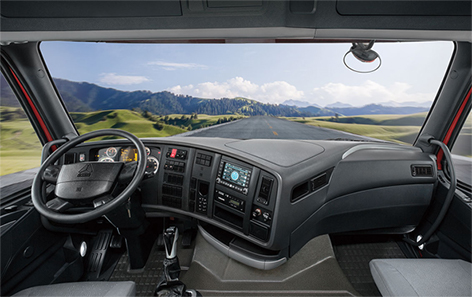
Cabin features vary by model and trim. Inspect the actual truck for seat adjustment, visibility, dashboard condition, control access, and ventilation.
Check that the driver’s seat supports a comfortable driving position. Confirm that the mirrors provide useful views around the vehicle.
Operate the lights, indicators, wipers, horn, and dashboard controls. Replace faulty components before placing the truck into commercial service.
Visibility and Manoeuvring
A tipper truck requires careful positioning during loading, reversing, and unloading. Blind spots can make manoeuvring more difficult around workers and other vehicles.
Inspect the mirrors and ask whether the truck includes reversing assistance. Any camera or sensor should work correctly, but drivers must still check their surroundings.
Use a trained spotter where appropriate. Establish clear communication and keep pedestrians away from manoeuvring areas.
Safety During Tipping
Tipping operations require careful planning. Uneven or soft ground can affect stability as the cargo bed rises.
Position the vehicle on firm, level ground wherever the manufacturer requires it. Follow the correct loading and unloading procedures, and keep people clear of the operating area.
Never exceed the rated payload or body capacity. Stop the operation if the truck shows signs of instability or the load fails to discharge safely.
Howo Light Duty Tipper Truck Maintenance and Reliability
Commercial reliability depends on vehicle condition, service quality, correct operation, and access to suitable replacement parts.
Follow the Manufacturer’s Service Schedule
Use the service intervals specified for the exact engine and truck model. Routine maintenance may include oil changes, filter replacement, fluid checks, and inspections of major components.
Keep records of every service. A clear maintenance history helps track expenses and supports future resale.
Do not rely on general servicing advice when the manufacturer provides model-specific instructions. Ask a qualified technician to explain the correct schedule for your truck.
Inspect the Braking System
A loaded tipper requires dependable braking performance. Extra weight can increase stopping distances and place additional demands on the braking system.
Check brake components, fluid levels where applicable, air-system components on air-braked versions, and warning indicators. Have any unusual braking behaviour inspected immediately.
Also examine the tyres and wheel assemblies. Correct tyre condition and pressure support handling, braking, and safe load carrying.
Maintain the Suspension and Steering
Suspension and steering components support vehicle control. Regular inspections can identify wear before it affects safe operation.
Look for damaged springs, leaking dampers, loose components, uneven tyre wear, and steering problems. Ask a mechanic to assess any unusual noise or excessive movement.
Avoid carrying loads beyond the vehicle’s rating. Overloading can accelerate wear and create safety risks.
Check the Tipper Hydraulics
Inspect the hydraulic system at the intervals recommended by the manufacturer. Check for leaks, damaged hoses, loose fittings, and unusual operating behaviour.
Use the specified hydraulic fluid and correct replacement components. Never attempt repairs without proper training, equipment, and approved safety procedures.
A well-maintained tipping system helps support reliable operation. It also reduces the likelihood of delays caused by preventable faults.
Howo Light Duty Tipper Truck Price in Uganda
The price of a SINOTRUK Light Truck 2025 in Uganda depends on the exact model and its condition. Buyers should compare specifications before evaluating whether a listing offers good value.
Important pricing factors include the manufacturing year, engine, payload rating, tipper body, mileage or operating hours, condition, and import status.
Newer vehicles may offer different equipment or warranty arrangements from used trucks. Used examples may provide a lower initial purchase cost but require more careful inspection.
Factors That Influence the Purchase Price
Model and year: Different model years may feature different engines, equipment, and chassis specifications.
Payload capacity: Buyers should compare official carrying limits rather than relying on general labels.
Engine and transmission: Specifications and mechanical condition can influence value and running costs.
Tipper body condition: Hydraulic equipment, body structure, and previous repairs can affect the overall purchase decision.
Maintenance history: Service records help buyers understand how previous owners maintained the truck.
Import and registration status: Verify the required documents and any outstanding obligations.
Tyres and immediate repairs: Worn tyres or mechanical faults can increase the total cost of putting the truck into service.
How to Evaluate a Truck’s Value
Compare several trucks with similar specifications. Request photographs, maintenance records, payload information, and details about previous repairs.
Arrange an independent mechanical inspection before making a commitment. Include the estimated cost of necessary repairs in your comparison.
Ask the seller to explain any differences between the advertised specifications and the actual vehicle. Confirm the agreed price and transaction terms in writing.
For current availability and asking prices, check the commercial vehicle listings on Car Dealer Uganda.
Buying a Howo Light Duty Tipper Truck in Uganda: Inspection Checklist
A systematic inspection helps buyers identify problems before committing funds.
Step 1: Verify the Model and Specifications
Confirm the manufacturer’s model designation, year, engine details, transmission, axle configuration, and payload rating.
Check the chassis identification against the vehicle documents. Make sure the seller’s description accurately represents the truck.
Step 2: Inspect the Engine and Transmission
Start the engine according to the manufacturer’s instructions. Observe its operation and look for unusual noises, excessive smoke, warning lights, or fluid leaks.
Test the transmission and driveline under appropriate conditions. Arrange a diagnostic assessment if the vehicle shows signs of poor performance.
Step 3: Examine the Chassis and Tipper Body
Inspect the frame, body floor, side panels, tailgate, hinges, and mounting points. Look for cracks, corrosion, distortion, and evidence of poor repairs.
Check whether the body suits your intended materials. Confirm that the load can remain secure during transport.
Step 4: Test the Hydraulic System
Operate the tipping system in a suitable, controlled area. Follow the manufacturer’s safety procedures and keep bystanders away.
Check the raising and lowering functions. Ask a technician to investigate leaks, uneven movement, unusual sounds, or other concerns.
Step 5: Check Tyres, Brakes, and Suspension
Examine tyre tread, sidewalls, wheel condition, braking components, steering, and suspension.
Request a professional roadworthiness inspection. Do not place the truck into service until safety-related defects receive proper attention.
Step 6: Review Documents and Ownership
Verify the registration and ownership records. Confirm the vehicle identification and applicable import documentation.
Ask for available service records and previous inspection reports. Ensure the seller can complete the transfer lawfully.
Step 7: Calculate Your Operating Budget
Estimate fuel, servicing, tyres, insurance, driver costs, and likely repairs. Include a reserve for unexpected maintenance and periods of downtime.
Compare these costs with realistic transport demand. This helps you evaluate whether the truck suits your business plan.
Howo Light Duty Tipper Truck Compared With Other Commercial Trucks
The best truck depends on the materials you carry, the distances you travel, and the conditions at your work sites.
SINOTRUK Light Truck 2025 vs Heavy-Duty Tipper
A light-duty tipper may suit smaller loads, restricted access, and jobs that do not require heavy-duty capacity. A heavy-duty tipper may better suit larger construction projects and substantial material volumes.
Compare payload ratings, operating costs, road access, and maintenance requirements. Avoid paying for capacity your business rarely needs.
Equally, do not select a light-duty model if your regular work exceeds its rated limits.
Howo Light Duty Tipper vs a Flatbed Truck
A flatbed truck can transport many types of packaged or secured cargo. A tipper truck adds a body designed for controlled unloading of suitable loose materials.
Choose a tipper when the unloading method supports your workflow. Choose a flatbed when your cargo and loading equipment suit a flat platform.
Some businesses may benefit from operating both types. Your customer demand should guide the decision.
Howo Light Duty Tipper vs a Pickup Truck
A pickup may suit lighter loads, smaller deliveries, and work in locations where a larger commercial truck struggles to manoeuvre.
A tipper truck may offer a more appropriate body and payload for regular bulk-material transport. However, its actual carrying capacity must match the specific model.
Compare legal payload, operating costs, durability, and access requirements. Select the vehicle that suits the work rather than simply choosing the larger option.
Frequently Asked Questions About the Howo Light Duty Tipper Truck
1. What is a Howo Light Duty Tipper Truck used for?
It transports suitable loose materials such as sand, gravel, soil, and aggregate. The tipping body helps operators unload cargo at appropriate delivery locations.
2. Is the Howo Light Duty Tipper Truck suitable for construction work?
It can suit construction work when its payload, body design, and mechanical specification match the project. Larger projects may require a heavy-duty model.
3. What is the payload capacity of a Howo Light Duty Tipper Truck?
Payload capacity varies by model and configuration. Confirm the manufacturer’s rated payload and gross vehicle weight before transporting materials.
4. How much does a Howo Light Duty Tipper Truck cost in Uganda?
The price depends on the model year, condition, engine, payload, body equipment, and seller. Check current Car Dealer Uganda listings for available options and confirmed asking prices.
5. Is the Howo Light Duty Tipper Truck fuel-efficient?
Fuel consumption depends on the engine, load, terrain, maintenance, and driving style. Request details for the exact model and seek realistic operating information from comparable vehicles.
6. Can a Howo Light Duty Tipper Truck transport sand and gravel?
Yes, provided the truck’s body and rated payload suit the material. Always account for material density and avoid overloading the vehicle.
7. What should I inspect before buying a used Howo tipper?
Inspect the engine, transmission, chassis, brakes, tyres, suspension, tipper body, hydraulic system, and documents. Arrange an independent inspection before completing the purchase.
8. How do I maintain the hydraulic tipping system?
Follow the manufacturer’s service schedule and use the specified hydraulic fluid. Inspect hoses, cylinders, fittings, and operation regularly, and have faults repaired by qualified technicians.
9. Can the truck work on rural roads in Uganda?
Suitability depends on the model, ground clearance, tyres, drivetrain, payload, and road conditions. Evaluate your intended routes before choosing a truck.
10. Is a light-duty tipper suitable for a small construction business?
It may suit a small business with regular demand for appropriately sized material deliveries. Calculate operating expenses and compare the truck’s rated capacity with your expected workload.
11. Where can I buy a Howo Light Duty Tipper Truck in Uganda?
Explore commercial vehicle listings on Car Dealer Uganda at cardealer.ug. Contact the relevant seller to confirm availability, specifications, asking price, and inspection arrangements.
12. What documents should I verify before purchasing?
Check the vehicle’s registration, ownership records, chassis identification, and relevant import documents. Confirm that the seller can legally transfer the vehicle.
Invest in a Howo Light Duty Tipper Truck Through Car Dealer Uganda
The Howo Light Duty Tipper Truck offers a practical option for businesses that transport suitable loose materials. Its tipping body can simplify unloading and support efficient delivery operations.
The right vehicle can help construction contractors, material suppliers, landscaping companies, and other businesses manage their daily transport needs. However, successful ownership starts with selecting the correct specifications.
Confirm the payload rating, engine, transmission, chassis condition, and hydraulic system before buying. Review the documents and calculate the expected operating expenses.
Explore commercial vehicle listings on Car Dealer Uganda at cardealer.ug. Compare available trucks, contact sellers, confirm current prices, and arrange a professional inspection before making your decision.
Choose a Howo Light Duty Tipper Truck that matches your workload, operating budget, and business goals. A well-informed purchase can support dependable transport and more efficient commercial operations.


