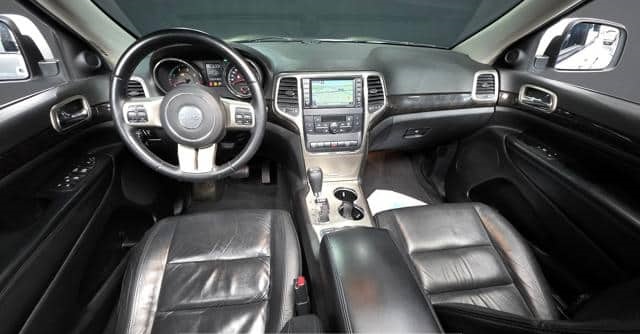
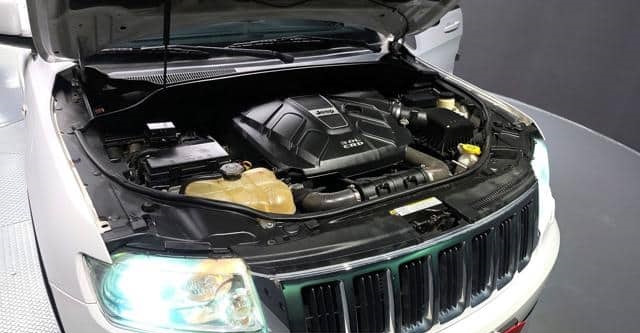
The decision to invest in aJEEP CHEROKEE 2013 Insurance And Financing Notes Budgeting Risk Checks Long Term Value, like any used vehicle, requires careful consideration, particularly regarding insurance and financing. These two crucial components not only contribute to the upfront costs but also impact your long-term financial health. Let’s delve into the essential factors to consider, including budgeting, risk assessment, and long-term value.
The 2013 Jeep Cherokee, a midsize SUV, is favored for its off-road capabilities, spacious interior, and advanced technology features. As you contemplate purchasing this vehicle, it’s important to analyze the various factors associated with its financing and insurance to ensure that you make an informed decision.
Budgeting for the 2013 Jeep Cherokee
Budgeting is the first and foremost step in the purchasing process. It involves understanding not only the initial purchase price but also insurance premiums, maintenance costs, fuel efficiency, and potential financing interest rates. Here’s what to consider:
Initial Purchase Price
Research the market value of a 2013 Jeep Cherokee using platforms like Kelley Blue Book or Edmunds. Prices will vary based on mileage, condition, and location, so identifying a fair market price is essential.
Insurance Costs
Insurance costs for the Jeep Cherokee can vary widely depending on factors such as your location, driving history, and coverage options. Generally, SUVs tend to have higher insurance premiums due to their value and risk factors. Getting quotes from multiple insurance providers can help you find a competitive rate.
Maintenance and Fuel Costs
The 2013 Cherokee is generally reliable; however, every vehicle incurs routine maintenance costs. Consider budgeting for oil changes, tire rotations, and other scheduled maintenance. Fuel efficiency can also affect your overall budget. The 2013 Cherokee offers a range of engines, and you may choose an option that aligns with your fuel economy expectations.
Risk Assessment
Understanding the risks involved in owning a vehicle is critical when evaluating insurance needs. Here are some aspects to consider:
Vehicle Condition and History
A comprehensive vehicle history report can reveal past accidents, service records, and any title issues. Vehicles with a clean history typically represent lower risk, which can potentially lower your insurance premiums.
Safety Ratings
The Jeep Cherokee’s safety ratings can influence insurance costs. High safety ratings often equate to lower premiums, as insurers factor in the likelihood of claims based on safety performance. Consider reviewing the National Highway Traffic Safety Administration (NHTSA) ratings for the model.
Your Driving Profile
Your personal driving history and profile play a significant role in risk assessment. If you have a clean driving record with no accidents or violations, you are more likely to secure better insurance rates. Additionally, younger drivers or those in urban areas may face higher premiums.
Financing Options
When it comes to financing, potential buyers should explore several avenues:
Dealership Financing
Many dealerships offer financing options through partnerships with banks and credit unions. While the convenience is appealing, it’s wise to scrutinize the terms carefully. You may find better rates through your own bank or credit union.
Personal Loans
A personal loan can provide flexibility when financing your vehicle. Research interest rates and terms from various lenders to ensure that you select an option that fits within your budget.
Credit Score Impact
Your credit score will significantly affect your financing options. A higher score generally results in lower interest rates. Before applying for financing, check your credit report and consider taking steps to improve your score if necessary.
Long-term Value
When purchasing a vehicle, it’s essential to consider its long-term value. A 2013 Jeep Cherokee can retain its worth due to its popularity, but various factors will influence depreciation:
Market Demand
The Jeep brand is associated with adventure and durability, leading to high demand for used models, including the Cherokee. This can help maintain better resale value.
Condition Maintenance
Regular maintenance and care can prolong the life of your vehicle and enhance its resale value. Keeping thorough records of service and repairs can also positively impact potential buyers down the line.
Fuel Economy and Features
As fuel prices fluctuate, the fuel economy of your vehicle may affect its long-term viability and desirability. Models equipped with advanced technology and standout features tend to maintain their market value better.
Final thoughts
Investing in a 2013 Jeep Cherokee requires thoughtful consideration of various aspects including budgeting, risk assessment, insurance, and financing options. By conducting thorough research and evaluating your financial situation, you can make an informed decision that aligns with your lifestyle. The right investment will not only enhance your driving experience but also protect your financial future.
Frequently Asked Questions (FAQs)
1. What factors affect insurance premiums for a 2013 Jeep Cherokee?
Insurance premiums can be influenced by factors such as your location, driving history, vehicle safety ratings, and overall condition and mileage of the vehicle.
2. Is dealership financing a good option for purchasing a 2013 Jeep Cherokee?
Dealership financing can be convenient, but it’s important to shop around and compare interest rates from banks and credit unions to ensure you’re getting the best deal.
3. How does my credit score impact financing options?
A higher credit score usually translates to better interest rates and terms. If your score is low, consider improving it before applying for financing.
4. What is the average maintenance cost for a 2013 Jeep Cherokee?
While costs can vary significantly based on driving habits and local pricing, budgeting an average of $500 to $800 annually for routine maintenance is a good starting point.
5. How can I maximize the resale value of my 2013 Jeep Cherokee?
Regular maintenance, keeping the vehicle clean, maintaining comprehensive service records, and avoiding modifications can help maximize resale value.
The 2012 Jeep Cherokee Sun & Wheel boasts a robust design and features that make it a compelling option for traversing Uganda’s diverse landscapes. With its impressive ground clearance and...
As an experienced car inspector in Uganda, I’ve seen firsthand how the diverse road conditions can impact vehicle performance, particularly for models like the 2011 Jeep Cherokee Limited. For city...
The 2015 Jeep Cherokee Longitude is a compact SUV designed with versatility in mind, making it a potential choice for off-road driving in Uganda’s diverse landscapes. With its rugged build,...
As an experienced car inspector based in Uganda, I frequently encounter questions concerning the suitability of vehicles for our unique driving conditions. The 2021 Jeep Cherokee, with its reputation for...
Family owned dealership of new and pre-owned vehicles with several locations across the Uganda. Lowest prices and the best customer service guaranteed.
You're almost there, select at least one more to compare!
We use cookies to ensure that we give you the best experience on our website. If you continue to use this site we will assume that you are happy with it.
You can revoke your consent any time using the Revoke consent button.