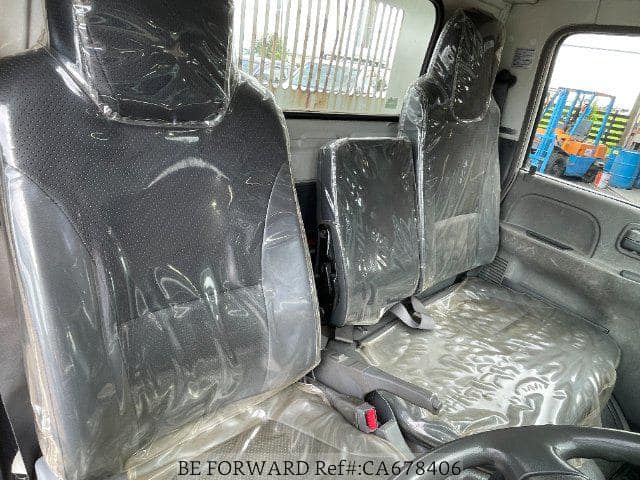
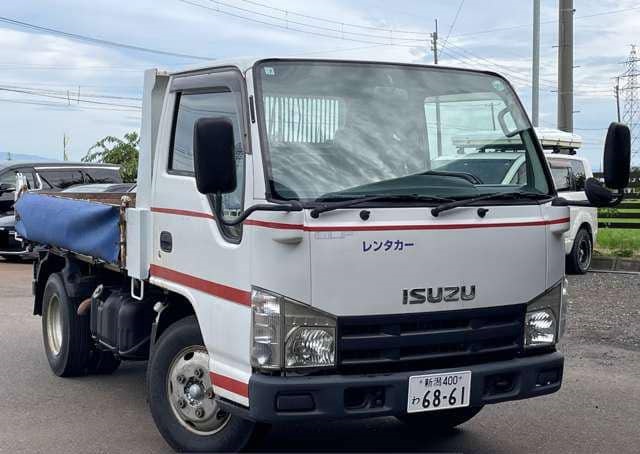
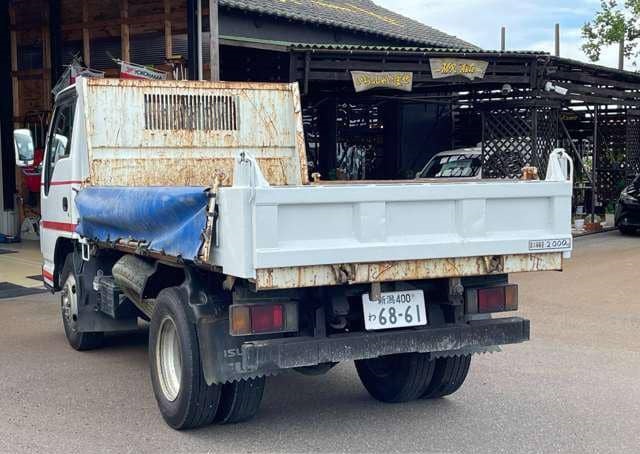
In recent years, importing vehicles into Uganda has become a popular venture for both businesses and individuals. The ISUZU ELF TRUCK 3.0 2009 In Uganda Import Basics Clearance Notes Where To Buy What To Avoid has gained prominence due to its reliability, efficiency, and versatility. This article covers basic guidelines for importing this vehicle into Uganda.
The Isuzu Elf Truck is renowned for its performance in commercial and logistical operations. The 3.0-liter engine offers a balance of power and fuel efficiency, making it ideal for transporting goods across the varied terrains of Uganda. Also, its compact size allows for maneuverability in urban settings and on narrow roads.
2. Research and Selection
Before initiating the import process, conducting thorough research is crucial. Here are some steps to guide you:
Vehicle Specifications: Familiarize yourself with the specifications of the Isuzu Elf Truck 3.0 (2009). Consider aspects like load capacity, fuel efficiency, and engine specifications.
Market Analysis: Research the market prices in both the country of origin and Uganda. This helps you negotiate better deals.
Reputable Dealers: Look for reputable dealers or individuals who sell Isuzu Elf Trucks. Verify their credibility through reviews and testimonials.
3. Legal Requirements
When you decide to proceed with the import, you must comply with Ugandan import laws. This includes:
Customs Documentation: Ensure all documentation needed for import processing is in order. This includes the vehicle’s original title, bill of lading, and commercial invoice.
Import License: Obtain an import license from the Uganda Revenue Authority (URA). This is mandatory for all vehicles imported into the country.
Compliance with Standards: Verify that the vehicle meets the environmental and safety standards set by Uganda’s National Bureau of Standards (UNBS).
4. Shipping Process
The shipping process involves the following steps:
Choose a Shipping Method: Decide whether to use RoRo (Roll-on/Roll-off) or a container. RoRo is generally more affordable, while containers provide better protection.
Select a Freight Forwarder: Hire a reputable freight forwarder to manage your shipping logistics. They will help coordinate the pickup of the vehicle and its transport to Uganda.
5. Customs Clearance
Upon the arrival of the Isuzu Elf Truck in Uganda, it must undergo customs clearance. Important steps in this process include:
Payment of Import Fees: Be prepared to pay import duties and VAT, which are assessed based on the vehicle’s value.
Vehicle Inspection: Customs officials will inspect the vehicle to ensure it meets all local regulations. If everything is in order, they will issue a clearance certificate.
6. Registration and Licensing
Once your vehicle has cleared customs, you need to register and license it. Steps include:
Vehicle Registration: Visit the Uganda Revenue Authority or the local traffic office to fill out the necessary registration forms.
Plate Issuance: After paying the required fees, you will receive license plates. Ensure that these are displayed correctly on your truck.
7. Insurance Coverage
Finally, obtaining insurance is a critical step to protect your investment. Look for an insurance provider that offers commercial truck coverage and offers comprehensive policies that suit your needs.
Final thoughts
Importing an Isuzu Elf Truck 3.0 (2009) to Uganda, while it may seem complicated, can be a straightforward process when you understand and follow the basic guidelines. Conduct thorough research, ensure compliance with legal requirements, manage the shipping process carefully, and secure the necessary insurance. With these steps, you will be well on your way to successfully importing and utilizing your Isuzu Elf Truck in Uganda.
FAQs
1. How long does the import process take?
The import process can take anywhere from a few weeks to several months, depending on shipping times, customs clearance, and documentation processing.
2. What are the common import duties for vehicles in Uganda?
Import duties can vary but generally range from 15% to 30% of the vehicle’s value, along with VAT that typically stands at 18%.
3. Do I need a customs broker to import my truck?
While it’s not mandatory, hiring a customs broker can simplify the process, as they are knowledgeable about local laws and can help expedite clearance.
4. Is it necessary to have the vehicle physically inspected upon arrival?
Yes, customs officials will require a physical inspection to ensure compliance with local regulations before issuing a clearance certificate.
The Isuzu Elf Truck, particularly the 1999 model, has established a solid reputation in the transportation sector, particularly in regions like Uganda where durability and reliability are essential. Known for...
The ISUZU ELF TRUCK 2TFFL 2011 is gaining attention in Uganda’s commercial vehicle market due to its robust design and efficiency. Known for its reliability, this model features a powerful...
As an experienced car inspector in Uganda, I often encounter various needs and perspectives when it comes to choosing a vehicle for cargo transport. In the bustling cities, buyers prioritize...
The performance of the ISUZU ELF TRUCK 3T6MTR.89, introduced in 2020, is particularly relevant in the context of Uganda’s diverse road conditions. Known for its robust engineering, the vehicle is...
Family owned dealership of new and pre-owned vehicles with several locations across the Uganda. Lowest prices and the best customer service guaranteed.
You're almost there, select at least one more to compare!
We use cookies to ensure that we give you the best experience on our website. If you continue to use this site we will assume that you are happy with it.
You can revoke your consent any time using the Revoke consent button.