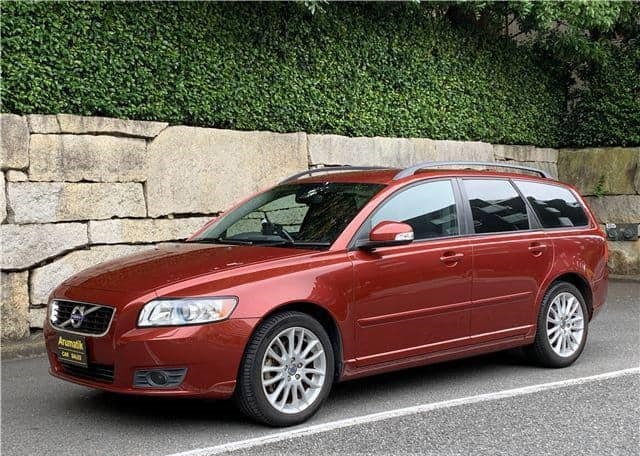
The VOLVO V50 2010 presents a compelling case for drivers navigating Uganda’s diverse road conditions. Known for its robust build and safety features, this model combines a comfortable ride with versatility, making it a potential fit for both urban and rural terrains. Uganda’s road network varies significantly, from well-paved highways to rough, unpaved paths, and the V50’s all-wheel-drive capabilities may help in tackling more challenging surfaces. Additionally, the vehicle’s ground clearance and suspension system can offer a degree of resilience against potholes and uneven roads, which are common in the region. However, considerations around maintenance, fuel efficiency, and parts availability are crucial, especially given the varying infrastructure and logistics in the country. For potential buyers, evaluating these aspects alongside the car’s performance will be essential in determining its suitability for everyday use in Uganda.
Introduction
The VOLVO V50 2010 is known for its sturdy design and comfort. However, before considering it for Uganda’s roads, it’s essential to evaluate its performance in local conditions.
Road Conditions in Uganda
Ugandan roads vary significantly. Urban areas have some tarmacked roads, but rural regions often feature potholes and rough terrain. This diversity poses challenges for any vehicle, including the VOLVO V50.
Urban Driving
In cities like Kampala, traffic can be congested. The V50’s compact design allows for better maneuverability in tight spaces. Nonetheless, drivers should keep an eye on road conditions due to common potholes and speed bumps.
Rural Challenges
In rural areas, unpaved roads can be difficult to navigate. The V50, with its front-wheel drive, may struggle on muddy or uneven paths. It’s wise to consider the ground clearance, which may limit off-road capabilities.
Engine Performance
The VOLVO V50 2010 typically features a range of engines, providing a balance between power and fuel efficiency. The 2.0L engine option is particularly popular for managing both city driving and longer trips.
Fuel Efficiency
Fuel prices in Uganda can be high, making fuel efficiency a key concern. The V50 generally offers decent mileage, which can be advantageous for both urban commuting and rural travel.
Maintenance and Spare Parts
Owning a VOLVO in Uganda does come with its challenges regarding maintenance. While some parts are available, they may not be as accessible as those for more common brands.
Service Availability
Finding qualified mechanics experienced with VOLVOs may also be a challenge. It’s essential for prospective buyers to ensure they have access to reliable servicing options.
Safety Features
The VOLVO V50 is equipped with several safety features, making it a reliable option for various driving conditions. Features like traction control and stability programs can enhance driving on slippery or uneven roads.
Impact of Weather
Uganda experiences heavy rains, particularly in certain regions. The car’s handling and braking systems can help in wet conditions, but it’s vital to drive carefully to avoid accidents.
Cost Considerations
When considering a VOLVO V50, the initial purchase price is just one factor. Ongoing maintenance, fuel efficiency, and potential repairs should all be part of the financial equation.
Local Community Feedback
There are mixed reviews from VOLVO V50 owners in Uganda. While many appreciate the comfort and safety features, others highlight the challenges regarding maintenance and service availability.
Summary
The VOLVO V50 2010 can be a suitable vehicle for Uganda, particularly for urban driving. However, its performance on unpaved rural roads may leave some drivers wanting more. Potential owners should weigh the cost of maintenance and the accessibility of spare parts before making a decision.
FAQs
1. Is the VOLVO V50 good for rural driving in Uganda?
While it can handle some rural roads, its lower ground clearance may pose challenges in muddy or uneven areas.
2. What is the fuel efficiency of the VOLVO V50?
The V50 typically offers decent fuel mileage, making it a reasonable choice for both city and highway travel.
3. Are spare parts easy to find in Uganda?
Spare parts might be harder to find compared to more common brands, so it’s important to ensure access to reliable suppliers.
4. Can the V50 handle Uganda’s rainy weather?
Yes, its safety features can help with handling and braking in wet conditions, but cautious driving is still essential.
5. Is it worth investing in a VOLVO V50 in Uganda?
If comfort, safety, and urban driving are priorities, it can be a good choice—but consider the costs associated with maintenance and parts availability.
The LAND ROVER DISCOVERY 3 2009, produced in 2009, embodies a robust design and advanced features that cater to off-road enthusiasts, making it a notable contender for Uganda’s diverse terrains....
The Land Rover Discovery 3 Manual Diesel 2008 is a robust vehicle well-suited for the varied terrains of Uganda, where off-road driving is often essential. Known for its advanced four-wheel...
The Land Rover Discovery 30-Diesel 2015 is a vehicle designed for both luxury and rugged terrain, making it a popular choice for adventurers in Uganda. With its powerful diesel engine,...
As an experienced car inspector in Uganda, I often encounter potential buyers eager to find a vehicle that meets their unique needs. Uganda’s diverse terrains—from bustling city streets to rugged...
Family owned dealership of new and pre-owned vehicles with several locations across the Uganda. Lowest prices and the best customer service guaranteed.
You're almost there, select at least one more to compare!
We use cookies to ensure that we give you the best experience on our website. If you continue to use this site we will assume that you are happy with it.
You can revoke your consent any time using the Revoke consent button.