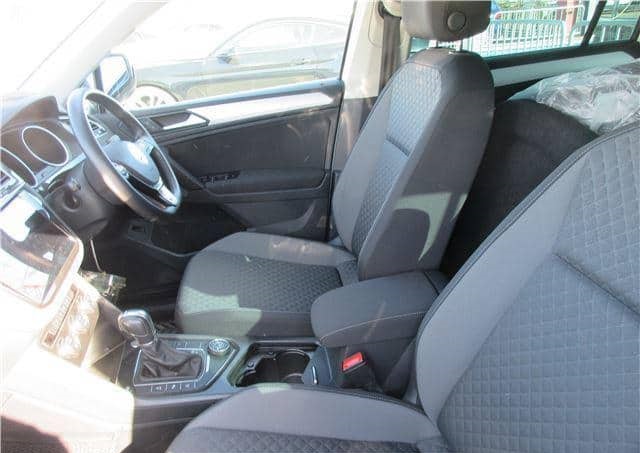
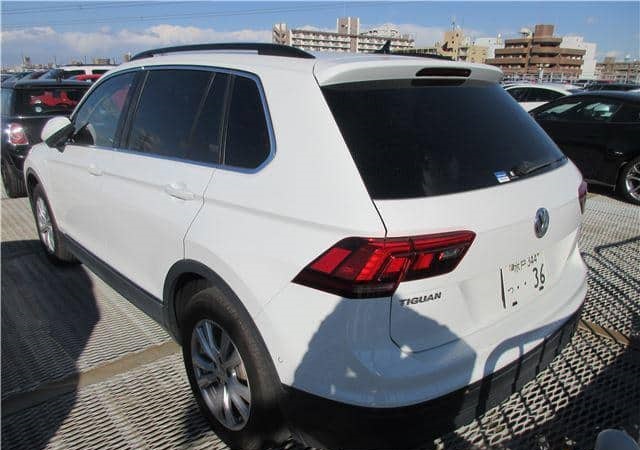
The Volkswagen Tiguan TDI4 2019 has gained attention in Uganda for its potential to navigate both urban environments and varied terrains. With a diesel engine that promises excellent torque and fuel economy, it caters to the needs of city dwellers who often face congested roads and stop-and-go traffic. The vehicle’s efficient fuel consumption not only supports daily commuting but also minimizes the cost of fuel amidst fluctuating prices. Additionally, its compact design makes it maneuverable in tight spaces common in urban settings. As Uganda continues to develop its infrastructure, understanding how vehicles like the Tiguan perform in real-world conditions helps consumers make informed choices. The blend of performance, comfort, and efficiency makes this model a compelling option for those considering urban driving in Uganda.
Introduction
The Volkswagen Tiguan TDI4 2019 is a compact SUV that has gained attention for its blend of style and utility. In Uganda, the demand for fuel-efficient vehicles has increased, especially in urban areas where traffic can be heavy and fuel costs are a concern. This article examines the fuel efficiency of the Tiguan TDI4 in the Ugandan context, especially for city driving.
Fuel Efficiency Overview
Fuel efficiency is often measured in terms of liters per 100 kilometers (L/100km) or miles per gallon (mpg). The 2019 Tiguan TDI4 is equipped with a turbocharged diesel engine, which traditionally offers better fuel economy compared to petrol engines. On average, it can achieve around 6.5 L/100km in mixed driving conditions.
Urban Driving Conditions
Driving in Kampala and other urban areas of Uganda presents unique challenges. Traffic congestion, poor road conditions, and frequent stopping and starting can affect fuel consumption. The Tiguan’s diesel engine provides adequate torque, which can be beneficial for navigating through heavy traffic.
Performance in the City
The Tiguan TDI4’s driving dynamics are designed for urban environments. Its compact size makes it easier to park, while the responsive engine helps in quick accelerations from stops. Diesel engines generally offer better torque at lower speeds, making them practical for city driving.
Comparative Fuel Costs
In Uganda, diesel fuel is typically cheaper than petrol. This pricing difference further enhances the economic appeal of the Tiguan TDI4 for urban drivers. The ability to travel longer distances on a tank also means fewer trips to the fuel station, which can save time.
Maintenance and Reliability
Routine maintenance is crucial for sustaining fuel efficiency. The Tiguan TDI4 is generally known for its reliability when well-maintained. However, diesel engines may require specific service checks, particularly for components like the turbocharger and fuel injectors.
Local Availability of Parts
In Uganda, spare parts for Volkswagen vehicles are available, though accessibility can vary based on region. It’s recommended to check for the availability of diesel parts before making a purchase.
Environmental Factors
Urban planning and environmental regulations are factors to consider. While diesel engines are often seen as more economical, their emissions can be a concern. The Tiguan TDI4 features advanced emissions control technology, which aims to minimize its environmental impact.
Summary
To sum up, the Volkswagen Tiguan TDI4 2019 proves to be a fuel-efficient option for urban driving conditions in Uganda. Its diesel engine offers better fuel economy and torque, making it suited for navigating city traffic. However, potential buyers should consider local maintenance and parts availability before investing.
FAQs
1. What is the fuel economy of the Tiguan TDI4 in urban driving?
The Tiguan TDI4 averages about 6.5 L/100km in mixed driving conditions.
2. Is diesel fuel readily available in Uganda?
Yes, diesel fuel is widely available in Uganda, often at a lower cost than petrol.
3. How does the Tiguan handle in heavy traffic?
Its diesel engine provides good torque at lower speeds, making it a practical choice for navigating congested urban areas.
4. Are spare parts for the Tiguan easy to find in Uganda?
While parts are available, their accessibility may vary depending on your location in Uganda.
5. What maintenance should I consider for the Tiguan’s diesel engine?
Regular maintenance should focus on the turbocharger and fuel injectors to ensure optimal performance.
The LAND ROVER DISCOVERY 3 2009, produced in 2009, embodies a robust design and advanced features that cater to off-road enthusiasts, making it a notable contender for Uganda’s diverse terrains....
The Land Rover Discovery 3 Manual Diesel 2008 is a robust vehicle well-suited for the varied terrains of Uganda, where off-road driving is often essential. Known for its advanced four-wheel...
The Land Rover Discovery 30-Diesel 2015 is a vehicle designed for both luxury and rugged terrain, making it a popular choice for adventurers in Uganda. With its powerful diesel engine,...
As an experienced car inspector in Uganda, I often encounter potential buyers eager to find a vehicle that meets their unique needs. Uganda’s diverse terrains—from bustling city streets to rugged...
Family owned dealership of new and pre-owned vehicles with several locations across the Uganda. Lowest prices and the best customer service guaranteed.
You're almost there, select at least one more to compare!
We use cookies to ensure that we give you the best experience on our website. If you continue to use this site we will assume that you are happy with it.
You can revoke your consent any time using the Revoke consent button.