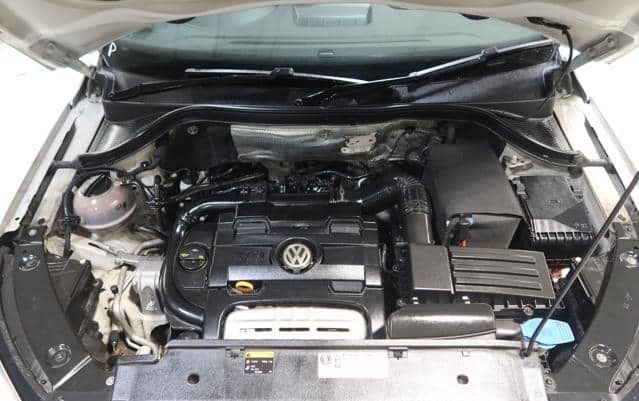
The Volkswagen Tiguan 1.4 TSI-BMT 2016 is an intriguing option for Ugandan drivers seeking a balance between performance and fuel efficiency on the country’s diverse road conditions. With its turbocharged engine, this compact SUV promises an economical fuel consumption rate, which can be particularly advantageous given the rising fuel prices in Uganda. The vehicle’s design caters to both urban settings and rural terrains, making it adaptable for various driving conditions encountered across the country. Also, considering Uganda’s growing landscape of road infrastructure and traffic demands, drivers are increasingly prioritizing efficiency without compromising on comfort and safety features. Evaluating the Tiguan’s fuel efficiency in the context of Ugandan roads offers valuable insights for potential buyers looking to minimize operational costs while maximizing mobility. Whether navigating city streets or traversing more rugged paths, the Tiguan positions itself as a viable contender in the competitive automotive market of Uganda.
Introduction
In Uganda, the choice of a vehicle often hinges on fuel efficiency, especially given the varied road conditions. The Volkswagen Tiguan 1.4 TSI-BMT 2016 model is a compact SUV that has caught the attention of many car enthusiasts. With its modern engineering, many are curious about its fuel consumption against local driving conditions.
Understanding Fuel Efficiency
Fuel efficiency is typically measured in liters per 100 kilometers (L/100km). For Ugandan drivers, this number is essential, especially with fluctuating fuel prices and the need for reliable transport in both urban and rural settings.
Tiguan’s Engine and Specs
The Tiguan is equipped with a 1.4-liter TSI engine, which offers a blend of power and economy. The BMT (BlueMotion Technology) further enhances this by optimizing fuel consumption through various technological advancements.
Performance on Ugandan Roads
Uganda’s roads vary from paved highways to rough terrains. The Tiguan is designed to handle such diversity well, maintaining balance across different surfaces. Drivers have reported that even in challenging conditions, the vehicle maintains efficient fuel usage.
Fuel Efficiency Figures
The official fuel consumption for the Tiguan 1.4 TSI-BMT stands at approximately 6.5 L/100km. Many Ugandan users have noted real-world figures can sometimes vary, especially in heavy traffic or during off-road adventures.
Urban Driving
In urban settings like Kampala, stop-and-go traffic can impact fuel efficiency. Owners have observed that the Tiguan performs reasonably, averaging around 8-9 L/100km in the city, which is competitive for its class.
Highway Efficiency
On open roads, the Tiguan shows its strengths. Drivers often experience consumption rates closer to the official figures, around 6-7 L/100km, making it a suitable option for long-distance travel within the country.
Comparative Analysis
When pitted against other compact SUVs in the Ugandan market, the Tiguan stands out positively. Competitors like the Nissan Qashqai or the Honda CR-V generally record similar or higher consumption figures.
Maintenance and Costs
Regular maintenance is key to preserving fuel efficiency. Ensuring that the engine is well-tuned and tire pressures are optimal contributes significantly to overall consumption rates. Owners often recommend routine checks and maintenance schedules to keep fuel costs manageable.
Environmental Impact
With the growing concern over environmental issues in Uganda, the Tiguan’s level of emissions is also worth noting. The BMT technology not only aids in fuel consumption but also reduces harmful emissions, making it a greener choice among its peers.
Summary
The Volkswagen Tiguan 1.4 TSI-BMT 2016 is a reliable option for Ugandan roads, balancing fuel efficiency and performance. With a consumption figure that aligns with both urban and highway needs, it proves to be a worthy investment for those prioritizing fuel economy without sacrificing quality.
FAQs
1. What is the fuel consumption of the Volkswagen Tiguan 1.4 TSI-BMT 2016?
The official consumption is around 6.5 L/100km, though real-world figures can vary based on road conditions.
2. How does the Tiguan perform in city driving?
In urban areas, drivers have reported an average of 8-9 L/100km due to stop-and-go traffic.
3. Is the Tiguan suitable for off-road conditions?
Yes, the Tiguan handles diverse terrains well, making it a versatile choice for both city and rural driving.
4. What maintenance practices help improve fuel efficiency?
Regular engine checks, proper tire inflation, and timely oil changes can significantly enhance fuel efficiency.
5>Are there better options for fuel efficiency in this category?
While the Tiguan is competitive, options like the Nissan Qashqai or Honda CR-V might have similar efficiency; individual choice will depend on personal preference and requirements.
The LAND ROVER DISCOVERY 3 2009, produced in 2009, embodies a robust design and advanced features that cater to off-road enthusiasts, making it a notable contender for Uganda’s diverse terrains....
The Land Rover Discovery 3 Manual Diesel 2008 is a robust vehicle well-suited for the varied terrains of Uganda, where off-road driving is often essential. Known for its advanced four-wheel...
The Land Rover Discovery 30-Diesel 2015 is a vehicle designed for both luxury and rugged terrain, making it a popular choice for adventurers in Uganda. With its powerful diesel engine,...
As an experienced car inspector in Uganda, I often encounter potential buyers eager to find a vehicle that meets their unique needs. Uganda’s diverse terrains—from bustling city streets to rugged...
Family owned dealership of new and pre-owned vehicles with several locations across the Uganda. Lowest prices and the best customer service guaranteed.
You're almost there, select at least one more to compare!
We use cookies to ensure that we give you the best experience on our website. If you continue to use this site we will assume that you are happy with it.
You can revoke your consent any time using the Revoke consent button.