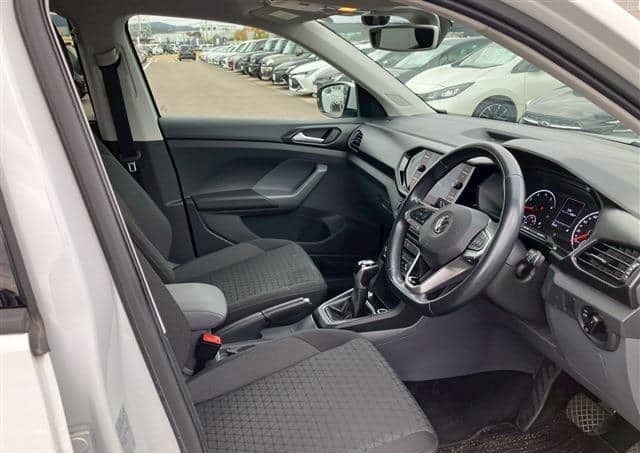
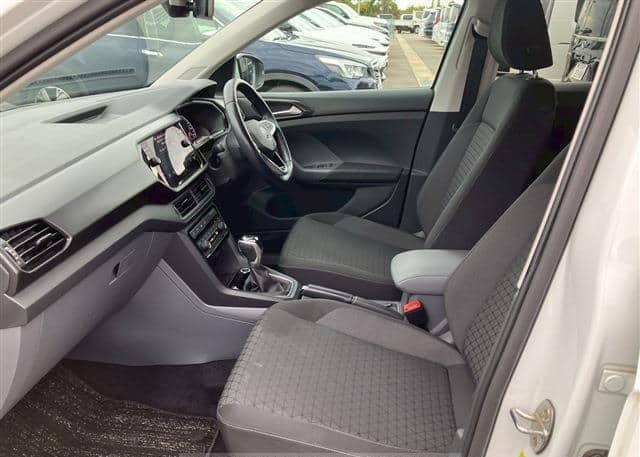
As an experienced car inspector in Uganda, I understand the unique demands placed on vehicles by our diverse driving conditions. Buyers here often have varying perspectives based on their needs. For those navigating the bustling streets of Kampala, fuel efficiency is paramount for city commuting, where stop-and-go traffic can quickly drain resources. Meanwhile, individuals who frequently travel upcountry often seek vehicles that can handle rough roads while still providing decent fuel economy. Additionally, budget-conscious buyers are not only focused on the initial purchase price but also long-term maintenance costs and reliability. As we delve into the specifics of the Volkswagen T-Cross 1.0 TSI 2020, some pressing concerns come to mind. How does this model perform in terms of fuel efficiency in both urban and rural settings? Are there particular maintenance challenges or costs that prospective owners should be aware of? Lastly, how adaptable is the T-Cross for the varying road conditions commonly found in Uganda, especially for those considering longer trips?
Answer
Verdict
Suitable with conditions. The Volkswagen T-Cross 1.0TSI 2020 has decent fuel efficiency for urban and upcountry driving in Uganda, but its performance might be affected by common road conditions such as potholes and traffic in Kampala.
Fuel Efficiency Overview
The T-Cross 1.0TSI typically provides a fuel efficiency range of approximately 14 to 18 kilometers per liter, depending on driving conditions, trim level, and vehicle maintenance. In urban areas like Kampala, stop-and-go traffic may decrease efficiency, while upcountry driving could offer better mileage if roads are in fair condition.
Driving Conditions in Uganda
Kampala is known for its congested traffic, which can significantly impact fuel consumption. The presence of speed humps and potholes can also contribute to wear and tear, making regular maintenance essential for optimal performance.Upcountry roads often vary in quality; while some may be well-paved, others might be bumpy or riddled with potholes, affecting the T-Cross’s ride quality and efficiency. Additionally, the rainy season can lead to more challenging driving conditions, which could further influence fuel consumption.
Maintenance Considerations
To ensure optimal fuel efficiency, it is crucial to maintain regular servicing and check tire pressure. Keeping the engine well-tuned and ensuring that air filters are clean will also enhance performance.
Using genuine parts when repairs are necessary can prevent potential issues and contribute positively to fuel economy over time.
Summary
The Volkswagen T-Cross 1.0TSI 2020 offers a reasonable level of fuel efficiency suitable for the unique driving conditions found in Uganda. However, to maximize this efficiency, drivers need to consider road quality and perform consistent vehicle maintenance.
FAQs
1. What is the fuel efficiency of the T-Cross 1.0TSI in Kampala?
Typically ranges from 14 to 17 km per liter, depending on traffic conditions and driving style.
2. How does pothole damage affect fuel efficiency?
Potholes can lead to misalignment and tire wear, which can lower the vehicle’s overall efficiency.
3. Is the T-Cross suitable for long trips upcountry?
Yes, it is suitable; however, driving conditions vary, so expect fluctuations in fuel consumption based on road quality.
4. What maintenance is necessary for optimal fuel efficiency?
Regular oil changes, tire pressure checks, and timely engine tune-ups are essential to maintain efficiency.
5. Can driving in rainy weather impact fuel consumption?
Yes, wet conditions may require more frequent braking and acceleration, which can negatively affect fuel efficiency.
The LAND ROVER DISCOVERY 3 2009, produced in 2009, embodies a robust design and advanced features that cater to off-road enthusiasts, making it a notable contender for Uganda’s diverse terrains....
The Land Rover Discovery 3 Manual Diesel 2008 is a robust vehicle well-suited for the varied terrains of Uganda, where off-road driving is often essential. Known for its advanced four-wheel...
The Land Rover Discovery 30-Diesel 2015 is a vehicle designed for both luxury and rugged terrain, making it a popular choice for adventurers in Uganda. With its powerful diesel engine,...
As an experienced car inspector in Uganda, I often encounter potential buyers eager to find a vehicle that meets their unique needs. Uganda’s diverse terrains—from bustling city streets to rugged...
Family owned dealership of new and pre-owned vehicles with several locations across the Uganda. Lowest prices and the best customer service guaranteed.
You're almost there, select at least one more to compare!
We use cookies to ensure that we give you the best experience on our website. If you continue to use this site we will assume that you are happy with it.
You can revoke your consent any time using the Revoke consent button.