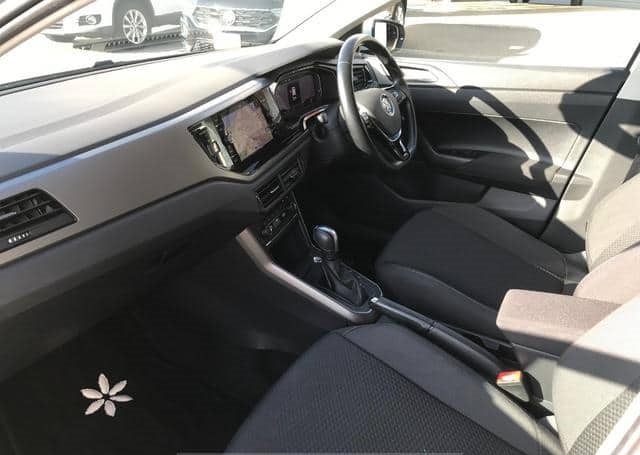
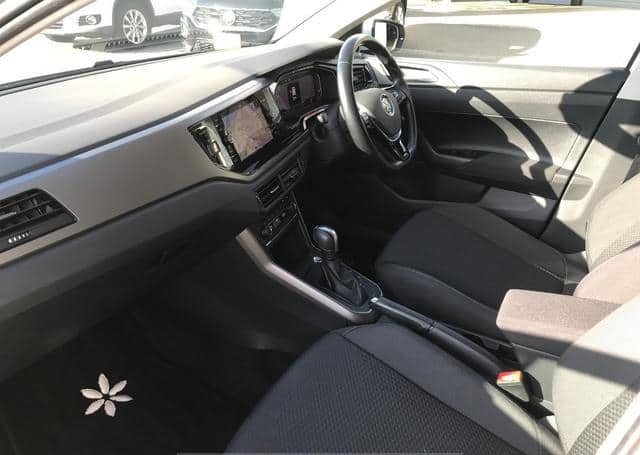
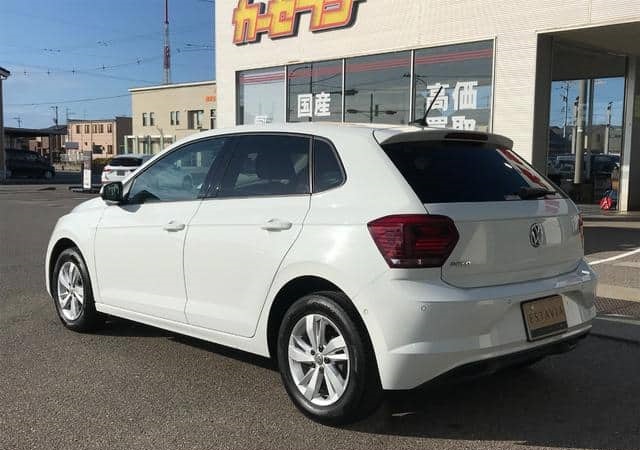
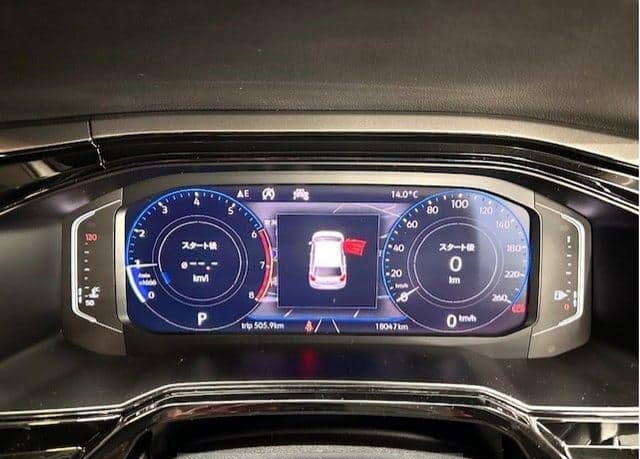
As an experienced car inspector here in Uganda, I often encounter prospective buyers who have diverse needs and concerns regarding their vehicle selections. For city commuters, fuel efficiency is often top of mind; they want a car that can handle stop-and-go traffic while keeping operating costs low. Those who plan to travel upcountry require a different set of criteria, prioritizing durability and comfort over long distances on sometimes rough roads. Budget-conscious buyers are increasingly focused on not just the initial purchase price, but also long-term maintenance costs, pondering how affordable service options and parts availability will impact their ownership experience. Given these perspectives, one might wonder: Does the VOLKSWAGEN POLO 2020 offer a good fuel economy for urban driving conditions characterized by frequent stops? How does it perform under the often challenging road conditions found outside the city? Additionally, what are the anticipated maintenance costs over time, and are parts readily available in the local market?
Answer
Verdict
Suitable with conditions. The Volkswagen Polo 2020 offers decent fuel efficiency, particularly for urban driving in Kampala; however, factors like traffic congestion, potholes, and the presence of speed humps can affect real-world fuel consumption.
Fuel Efficiency Overview
The Volkswagen Polo 2020 generally achieves a fuel efficiency of approximately 15 to 20 kilometers per liter, depending on driving conditions and trim levels. It’s important to verify specific fuel efficiency by checking the vehicle identification number (VIN) for accurate specifications.
Kampala Traffic Conditions
Driving in Kampala involves dealing with heavy traffic, especially during peak hours. This can lead to lower fuel efficiency due to frequent stops and starts. The Polo’s efficient engine can help, but the impact of traffic should not be underestimated.
Potholes and Speed Humps
The roads in Kampala, often riddled with potholes and speed humps, might pose challenges for any vehicle’s fuel efficiency. Although the Polo is designed for comfort, its performance can be hampered by uneven road surfaces, which could lead to increased fuel consumption.
Rainy Season Challenges
During the rainy season, road conditions can worsen, and driving on upcountry roads may become difficult. In such conditions, maintaining optimal fuel efficiency can be challenging, as the Polo might require more power to navigate slippery surfaces.
Upcountry Driving
For those considering trips out of Kampala, driving on upcountry roads requires a capable vehicle. The Polo can handle moderate road conditions but may struggle on rough terrain, impacting fuel efficiency.
Summary
The Volkswagen Polo 2020 is generally adequate for city driving in Uganda, with reasonable fuel efficiency. However, the complexities of Kampala’s traffic and road conditions necessitate careful consideration of its performance in real-world situations.
FAQs
1. What is the average fuel consumption for the Volkswagen Polo 2020?
The average fuel consumption is between 15 to 20 kilometers per liter, depending on various factors and trim levels.
2. How does Kampala traffic affect the Polo’s fuel efficiency?
Kampala’s heavy traffic can significantly lower fuel efficiency due to frequent stops, leading to increased consumption.
3. Are there any specific challenges for the Polo on Ugandan roads?
Yes, potholes, speed humps, and poor road conditions can impact comfort and fuel efficiency while driving.
4. Can the Polo handle rainy season conditions?
The Polo can navigate moderate rainy conditions, but fuel efficiency may suffer on slippery or rougher terrains.
5. How can I verify the exact fuel efficiency for a specific Volkswagen Polo 2020?
You can verify the exact fuel efficiency by checking the vehicle identification number (VIN) for the specific trim and technical details.
The LAND ROVER DISCOVERY 3 2009, produced in 2009, embodies a robust design and advanced features that cater to off-road enthusiasts, making it a notable contender for Uganda’s diverse terrains....
The Land Rover Discovery 3 Manual Diesel 2008 is a robust vehicle well-suited for the varied terrains of Uganda, where off-road driving is often essential. Known for its advanced four-wheel...
The Land Rover Discovery 30-Diesel 2015 is a vehicle designed for both luxury and rugged terrain, making it a popular choice for adventurers in Uganda. With its powerful diesel engine,...
As an experienced car inspector in Uganda, I often encounter potential buyers eager to find a vehicle that meets their unique needs. Uganda’s diverse terrains—from bustling city streets to rugged...
Family owned dealership of new and pre-owned vehicles with several locations across the Uganda. Lowest prices and the best customer service guaranteed.
You're almost there, select at least one more to compare!
We use cookies to ensure that we give you the best experience on our website. If you continue to use this site we will assume that you are happy with it.
You can revoke your consent any time using the Revoke consent button.