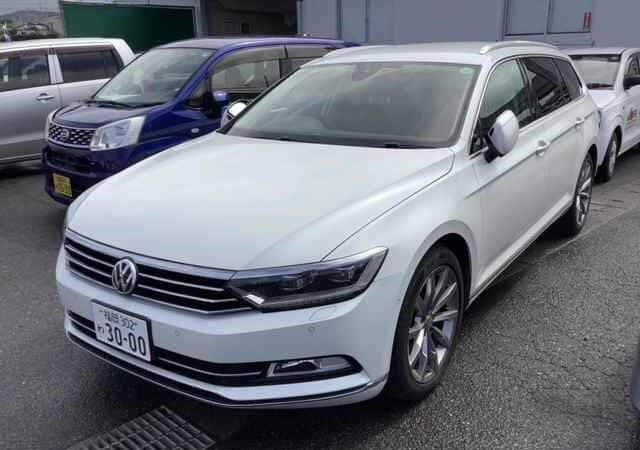
The Volkswagen Passat Variant TDI 2018 is often regarded for its balance of performance and fuel efficiency, which can be particularly relevant for the diverse driving conditions found in Uganda. With its diesel engine technology, the Passat Variant is designed to deliver impressive mileage, making it a potential economical choice for long-distance travel and city commuting alike. The robust build and advanced engineering of the vehicle allow it to handle the varying road qualities, from smooth tarmac to rougher rural paths. However, fuel efficiency can be influenced by various factors, including driving habits, maintenance, and the local environment. Evaluating its performance on Ugandan roads requires an analysis of these elements alongside the car’s specifications. Ultimately, the Passat Variant TDI may serve as a practical option for individuals seeking a reliable and efficient vehicle in the region.
Introduction
The Volkswagen Passat Variant TDI 2018 has been gaining attention in Uganda for its blend of style and practicality. But one major question stands out: Is it fuel-efficient for Ugandan roads? With various terrains and traffic conditions, fuel efficiency is crucial for both personal and commercial drivers.
Understanding Fuel Efficiency
Fuel efficiency refers to how well a vehicle uses fuel to travel a certain distance. The Passat Variant TDI promises impressive miles per gallon, but real-world performance can differ based on several factors. Let’s explore these aspects in the Ugandan context.
Engine Specifications
The Passat Variant TDI is equipped with a 2.0-liter turbocharged diesel engine. This engine is designed to offer a good balance of power and fuel economy, which is essential for both city driving in Kampala and long-distance travel throughout Uganda.
Driving Conditions in Uganda
Uganda’s diverse terrains include urban roads, rural areas, and highways. City driving often involves stop-and-go traffic, while rural driving may require navigating potholes and unpaved roads. These conditions can impact fuel consumption significantly.
Fuel Economy Ratings
The factory estimates for the Passat Variant TDI suggest it can achieve around 40 to 45 miles per gallon under ideal conditions. However, real-world figures in Uganda might be lower due to traffic and road conditions.
Performance in Urban Areas
In cities like Kampala, the Passat Variant’s efficiency may drop due to frequent stops. Diesel engines, however, tend to have better low-end torque, helping with acceleration even in heavy traffic.
Performance on Highways
On Uganda’s highways, the Passat Variant TDI shines. The power delivery is smooth, and maintaining speed becomes easier, which typically leads to better fuel economy on open roads. Drivers can expect to see closer to the upper end of the fuel economy spectrum during these journeys.
Maintenance Considerations
Regular maintenance is key to ensuring optimal fuel efficiency. Diesel engines may require different servicing than petrol, such as fuel filter changes and regular oil checks. These steps can prevent any decline in fuel economy.
Overall Cost of Ownership
While the initial purchase price of the Passat Variant TDI may be higher than some competitors, the long-term fuel savings could offset this investment. Keeping track of fuel consumption and maintenance costs can help in assessing overall expenses.
Summary
The Volkswagen Passat Variant TDI 2018 offers promising fuel efficiency, particularly on highways. In urban scenarios, drivers may experience diminished returns due to traffic conditions. Overall, it is a practical choice for those needing reliability and efficiency on varying road types in Uganda.
FAQs
1. What is the average fuel consumption of the Passat Variant TDI in Uganda?
Average fuel consumption can range from 35 to 45 miles per gallon, depending on driving conditions.
2. Is diesel fuel readily available in Uganda?
Yes, diesel fuel is widely available, especially in urban areas and along major highways.
3. How does the Passat Variant TDI perform on rough roads?
The vehicle can handle rough roads reasonably well, though caution should be used to avoid damage from severe potholes.
4. Are spare parts easily accessible for the Passat in Uganda?
Spare parts are available in Uganda, though specific components may take longer to source.
5. Is the Passat Variant TDI suitable for long road trips in Uganda?
Yes, it is suitable for long road trips, offering comfort and good fuel efficiency on highways.
The LAND ROVER DISCOVERY 3 2009, produced in 2009, embodies a robust design and advanced features that cater to off-road enthusiasts, making it a notable contender for Uganda’s diverse terrains....
The Land Rover Discovery 3 Manual Diesel 2008 is a robust vehicle well-suited for the varied terrains of Uganda, where off-road driving is often essential. Known for its advanced four-wheel...
The Land Rover Discovery 30-Diesel 2015 is a vehicle designed for both luxury and rugged terrain, making it a popular choice for adventurers in Uganda. With its powerful diesel engine,...
As an experienced car inspector in Uganda, I often encounter potential buyers eager to find a vehicle that meets their unique needs. Uganda’s diverse terrains—from bustling city streets to rugged...
Family owned dealership of new and pre-owned vehicles with several locations across the Uganda. Lowest prices and the best customer service guaranteed.
You're almost there, select at least one more to compare!
We use cookies to ensure that we give you the best experience on our website. If you continue to use this site we will assume that you are happy with it.
You can revoke your consent any time using the Revoke consent button.