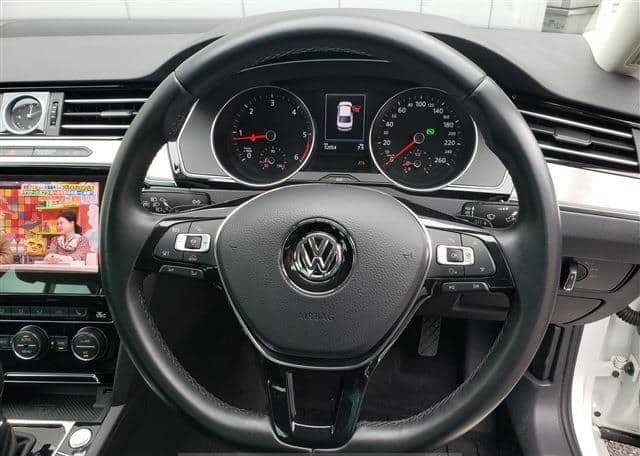
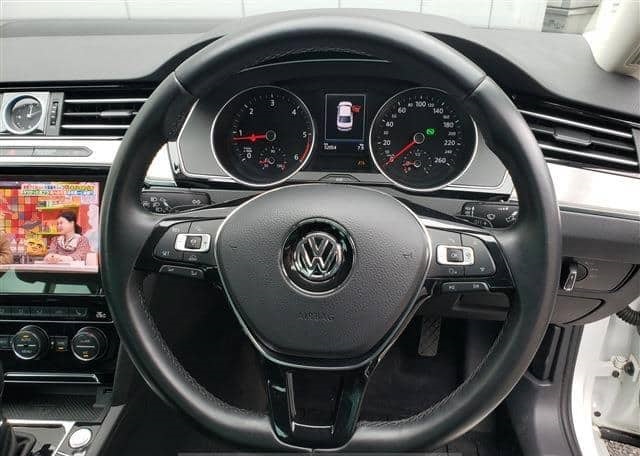
The 2019 Volkswagen Passat TDI is often lauded for its fuel efficiency, but evaluating its performance on Ugandan roads requires a nuanced approach. With a mix of urban traffic, rural pathways, and varying road conditions, this vehicle’s diesel engine can offer both advantages and challenges. The TDI’s advanced diesel technology is designed for optimal fuel consumption, which may translate well in environments where longer distances are common. However, considerations such as road quality, maintenance infrastructure, and the availability of diesel fuel play a significant role in real-world efficiency. Additionally, factors like driving habits and load capacity can impact overall fuel economy. Understanding these dynamics is crucial for potential buyers looking to maximize value while navigating Uganda’s unique landscape.
Introduction
The 2019 Volkswagen Passat TDI has become a topic of interest for many Ugandans looking for a fuel-efficient vehicle. With Uganda’s varied road conditions, it’s essential to assess whether this model meets the fuel efficiency expectations of local drivers.
Understanding Fuel Efficiency
Fuel efficiency is often measured in miles per gallon (MPG) or liters per 100 kilometers. The Volkswagen Passat TDI is known for its diesel engine, which generally provides better fuel economy compared to gasoline engines. This efficiency can be particularly advantageous on Uganda’s long-distance routes.
Performance on Local Roads
Ugandan roads range from well-paved highways to bumpy, unpaved terrains. The Passat TDI performs moderately well on these varying surfaces. Its diesel engine allows for a smoother drive on highways, while its robust build helps it tackle rough patches.
Urban Driving Conditions
In urban areas like Kampala, traffic congestion is a daily challenge. The Passat TDI has decent fuel efficiency even in stop-and-go traffic, but it typically excels on open roads. If you frequently navigate city traffic, consider how often you are able to maintain speed versus being stationary.
Fuel Costs in Uganda
In Uganda, fuel prices can fluctuate, making fuel economy a critical factor when purchasing a vehicle. The Passat TDI’s fuel efficiency could result in lower monthly fuel costs. With diesel generally being more affordable than petrol, owners may find that choosing this model can lead to savings, especially for long-distance travel.
Maintenance and Reliability
Routine maintenance is vital for any vehicle, especially in Uganda where access to some parts may be limited. The Passat TDI requires specific servicing, particularly for the diesel system. Consider the availability of parts and mechanics skilled in maintaining diesel engines before making a purchase.
Environmental Impact
With diesel engines producing fewer carbon emissions, the Passat TDI may be a more environmentally friendly option compared to some gasoline vehicles. However, it’s essential to consider the regulations around diesel vehicles in Uganda, as they can vary and may affect the long-term use of the vehicle.
Long-term Investment
When evaluating whether the 2019 Volkswagen Passat TDI is fuel-efficient for Ugandan roads, think about the long-term implications. While upfront costs might be higher for a diesel vehicle, the promise of better fuel economy could make it a financially sound choice in the long run.
Summary
The 2019 Volkswagen Passat TDI offers a blend of fuel efficiency and performance suited to both urban and rural driving in Uganda. While it holds advantages in fuel economy and reduced emissions, consider factors like maintenance, fuel costs, and driving conditions before making your decision. Its combination of features may well justify its place on Uganda’s roadways.
FAQs
1. What is the fuel efficiency of the 2019 Volkswagen Passat TDI?
The Passat TDI averages around 30-40 MPG, depending on driving conditions.
2. Is diesel fuel easy to find in Uganda?
Yes, diesel fuel is widely available at most filling stations across the country.
3. How does the Passat TDI perform on rough roads?
While it performs better on highways, its sturdy construction allows for decent handling on rough roads.
4. Are diesel vehicles environmentally friendly?
Diesel engines generally produce lower carbon emissions than gasoline engines, making them a more eco-friendly choice.
5. What are the common maintenance issues for the Passat TDI?
Common issues include fuel system maintenance and ensuring oil changes are done regularly to keep the engine running smoothly.
The LAND ROVER DISCOVERY 3 2009, produced in 2009, embodies a robust design and advanced features that cater to off-road enthusiasts, making it a notable contender for Uganda’s diverse terrains....
The Land Rover Discovery 3 Manual Diesel 2008 is a robust vehicle well-suited for the varied terrains of Uganda, where off-road driving is often essential. Known for its advanced four-wheel...
The Land Rover Discovery 30-Diesel 2015 is a vehicle designed for both luxury and rugged terrain, making it a popular choice for adventurers in Uganda. With its powerful diesel engine,...
As an experienced car inspector in Uganda, I often encounter potential buyers eager to find a vehicle that meets their unique needs. Uganda’s diverse terrains—from bustling city streets to rugged...
Family owned dealership of new and pre-owned vehicles with several locations across the Uganda. Lowest prices and the best customer service guaranteed.
You're almost there, select at least one more to compare!
We use cookies to ensure that we give you the best experience on our website. If you continue to use this site we will assume that you are happy with it.
You can revoke your consent any time using the Revoke consent button.