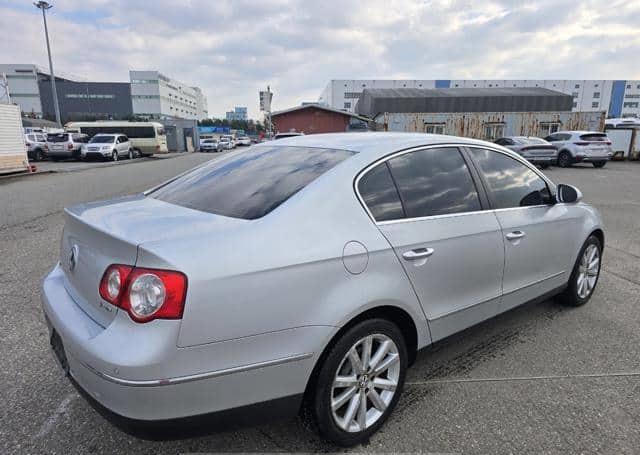
The Volkswagen Passat Full OP 2011 stands out as a popular choice among car enthusiasts in Uganda, largely due to its blend of comfort and performance. In a country where road conditions can vary significantly, fuel efficiency becomes a critical factor for many drivers. This model offers a robust engine that balances power with economy, making it well-suited for both urban environments and longer journeys across the country’s diverse terrains. However, real-world fuel efficiency can be influenced by factors such as driving habits, vehicle maintenance, and local fuel quality. Understanding how this vehicle performs under typical Ugandan conditions can help potential buyers assess its value. Ultimately, the Passat could be a compelling option for those seeking reliability without sacrificing fuel economy.
Introduction
The Volkswagen Passat Full OP 2011 is often highlighted for its comfort and features. However, when discussing its fuel efficiency for Ugandan roads, various factors come into play. This article examines if this model offers good fuel economy for the unique driving conditions in Uganda.
Understanding Fuel Efficiency
Fuel efficiency is expressed in kilometers per liter (km/l), which indicates how far the vehicle can travel on one liter of fuel. For drivers in Uganda, factors like stop-and-go traffic, road conditions, and vehicle load significantly influence fuel consumption.
Engine Specifications
The 2011 Passat typically features a 2.0-liter TDI engine. This engine strikes a balance between power and efficiency. It’s important to note that smaller engines usually provide better fuel economy, especially in urban settings.
Driving Conditions in Uganda
Ugandan roads vary widely. In urban areas like Kampala, congested traffic can increase fuel consumption. On the other hand, highways usually offer smoother drives that can enhance fuel efficiency. The Passat’s performance will differ based on these conditions.
Real-World Fuel Consumption
In real-world conditions, the Passat can achieve around 14-16 km/l on highways, and about 10-12 km/l in urban traffic. These numbers can vary dramatically depending on driving habits and vehicle maintenance.
Maintenance Considerations
Regular maintenance is key to achieving optimal fuel efficiency. Ensuring that the engine is well-tuned and that tires are adequately inflated can lead to significant improvements in fuel consumption.
Cost of Fuel in Uganda
As of now, fuel prices in Uganda fluctuate frequently. A vehicle that offers better fuel efficiency can lead to considerable savings over time, particularly with rising fuel costs.
Comparisons with Other Vehicles
When comparing the Volkswagen Passat to smaller compact cars, the fuel efficiency may not be as impressive. However, its performance and comfort provide advantages that are appealing to many drivers in Uganda who prioritize both comfort and practicality.
Environmental Impact
A fuel-efficient vehicle like the Passat can contribute to reduced emissions, which is beneficial for air quality, particularly in densely populated areas. Opting for more fuel-efficient cars plays a role in promoting sustainability.
Final thoughts
The Volkswagen Passat Full OP 2011 can be a reasonably fuel-efficient option for Ugandan roads, especially for those who favor comfort and style without entirely sacrificing efficiency. When well-maintained and driven considering the local conditions, it can serve well for both urban and highway driving.
Summary
In summary, the Volkswagen Passat Full OP 2011 offers a fair balance of fuel efficiency and comfort for Ugandan drivers. While it may not be the most fuel-efficient compact option available, its performance on diverse roads and relative comfort make it a solid choice.
FAQs
1. What is the fuel efficiency of the Volkswagen Passat Full OP 2011?
The Passat typically achieves around 14-16 km/l on highways and 10-12 km/l in city traffic.
2. How does the condition of Ugandan roads affect fuel efficiency?
Poor road conditions and heavy traffic can lead to increased fuel consumption, impacting overall efficiency.
3. Is maintenance important for fuel efficiency?
Yes, regular maintenance, including engine checks and tire pressure, is essential for optimizing fuel efficiency.
4. What are current fuel prices in Uganda?
Fuel prices fluctuate often; checking local sources for updated prices is advisable for accurate budgeting.
5. How does the Passat compare with smaller cars regarding fuel efficiency?
While the Passat may not be as fuel-efficient as smaller cars, it offers greater comfort and features, which some drivers may prioritize.
The LAND ROVER DISCOVERY 3 2009, produced in 2009, embodies a robust design and advanced features that cater to off-road enthusiasts, making it a notable contender for Uganda’s diverse terrains....
The Land Rover Discovery 3 Manual Diesel 2008 is a robust vehicle well-suited for the varied terrains of Uganda, where off-road driving is often essential. Known for its advanced four-wheel...
The Land Rover Discovery 30-Diesel 2015 is a vehicle designed for both luxury and rugged terrain, making it a popular choice for adventurers in Uganda. With its powerful diesel engine,...
As an experienced car inspector in Uganda, I often encounter potential buyers eager to find a vehicle that meets their unique needs. Uganda’s diverse terrains—from bustling city streets to rugged...
Family owned dealership of new and pre-owned vehicles with several locations across the Uganda. Lowest prices and the best customer service guaranteed.
You're almost there, select at least one more to compare!
We use cookies to ensure that we give you the best experience on our website. If you continue to use this site we will assume that you are happy with it.
You can revoke your consent any time using the Revoke consent button.