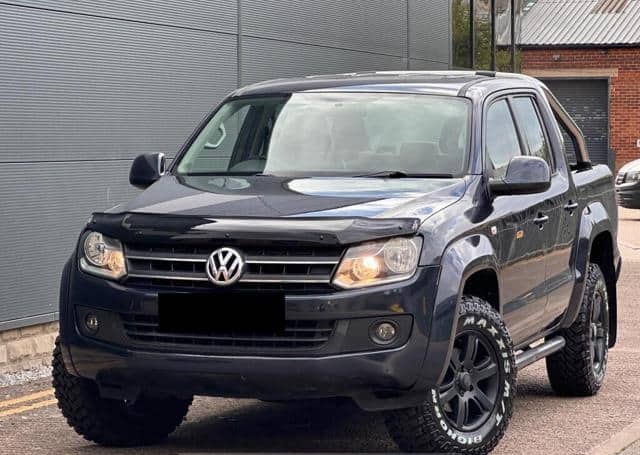
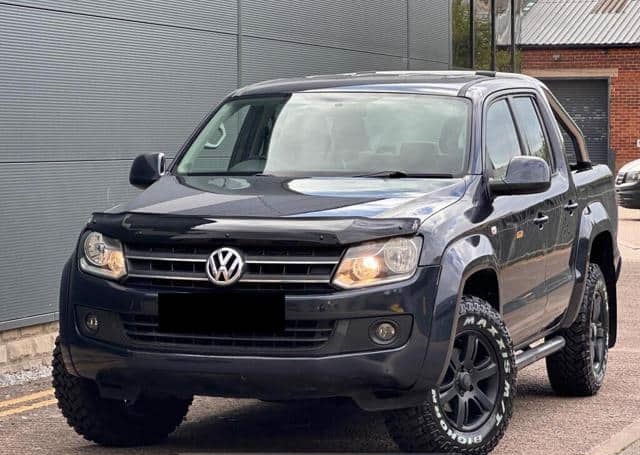
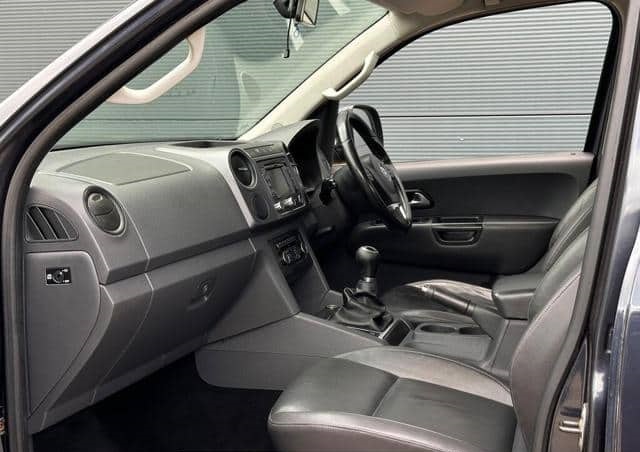
The Volkswagen Amarok Manual Diesel 2 from 2011 is a versatile vehicle that has gained popularity in various markets, including Uganda. Known for its robust build and off-road capabilities, the Amarok also engages drivers looking for efficiency, particularly when considering long-distance travel. Diesel engines are generally recognized for their fuel economy and torque, making them ideal for sustained journeys across diverse terrains. In Uganda, where road conditions can vary significantly, the durability and efficiency of this model become particularly relevant. Factors such as maintenance, driving habits, and load capacity further influence its fuel efficiency on long trips. As such, understanding these elements can provide valuable insights for potential owners and long-distance drivers considering this pickup truck.
Introduction
The Volkswagen Amarok Manual Diesel 2.0 from 2011 has garnered attention in Uganda for its rugged build and performance. Many Ugandan drivers often seek fuel efficiency for long journeys, making this topic worth exploring.
Fuel Efficiency of the Amarok
The Amarok’s 2.0L diesel engine aims for efficiency while offering a robust driving experience. Generally, it delivers about 9 to 10 liters per 100 kilometers under ideal driving conditions.
Real-World Driving Conditions
In Uganda, the driving conditions vary significantly. From traffic congestion in Kampala to highway stretches towards Jinja, understanding actual fuel consumption is essential. On long trips, especially on highways, the Amarok can perform well, possibly even improving fuel efficiency.
Comparison with Other Vehicles
Compared to other vehicles in its class, the Amarok stands fairly competitive. Many popular models may offer comparable figures, but considerations such as weight and cargo capacity play a role in overall efficiency.
Long-Distance Driving Benefits
One of the significant advantages of the Amarok is its comfort during long drives. The spacious cabin and supportive seating contribute to driver and passenger satisfaction. Additionally, its suspension system is designed to handle rough terrains, common in rural Uganda.
Service and Maintenance
Regular service is key to maintaining the Amarok’s fuel efficiency. Proper maintenance, including oil changes and filter replacements, can significantly impact performance. In Uganda, finding parts is relatively straightforward, making ongoing care manageable.
Cost of Fuel and Distance Travelled
With the rising cost of fuel in Uganda, it’s wise to calculate potential expenses on long trips. Given the Amarok’s average fuel consumption, budgeting becomes simpler. Those planning to travel over long distances should calculate fuel needs based on the distance and current fuel prices.
Practical Tips for Improving Efficiency
Maintain optimal tire pressure.
Avoid excessive idling.
Limit heavy loads when possible.
Final thoughts
In summary, the Volkswagen Amarok Manual Diesel 2.0 from 2011 can be a good option for long-distance travel in Uganda, provided that drivers stay mindful of their driving habits and vehicle maintenance.
Summary
The Amarok offers reasonable fuel efficiency, especially suitable for long distances. Its comfort and ability to handle various terrains make it a solid choice for both urban and rural settings in Uganda.
FAQs
1. What is the average fuel consumption of the Amarok?
It typically consumes around 9 to 10 liters per 100 kilometers.
2. Is the Amarok suitable for rough roads in Uganda?
Yes, it has a robust suspension system designed to handle uneven terrains.
3. How often should I service my Amarok for optimal performance?
Regularly servicing every 10,000 kilometers is recommended for best results.
4. Can I find spare parts easily in Uganda?
Yes, availability of spare parts is fairly good across major cities.
5. How does the Amarok compare to other diesel vehicles?
It stands competitively in terms of fuel efficiency and performance within its class.
The LAND ROVER DISCOVERY 3 2009, produced in 2009, embodies a robust design and advanced features that cater to off-road enthusiasts, making it a notable contender for Uganda’s diverse terrains....
The Land Rover Discovery 3 Manual Diesel 2008 is a robust vehicle well-suited for the varied terrains of Uganda, where off-road driving is often essential. Known for its advanced four-wheel...
The Land Rover Discovery 30-Diesel 2015 is a vehicle designed for both luxury and rugged terrain, making it a popular choice for adventurers in Uganda. With its powerful diesel engine,...
As an experienced car inspector in Uganda, I often encounter potential buyers eager to find a vehicle that meets their unique needs. Uganda’s diverse terrains—from bustling city streets to rugged...
Family owned dealership of new and pre-owned vehicles with several locations across the Uganda. Lowest prices and the best customer service guaranteed.
You're almost there, select at least one more to compare!
We use cookies to ensure that we give you the best experience on our website. If you continue to use this site we will assume that you are happy with it.
You can revoke your consent any time using the Revoke consent button.