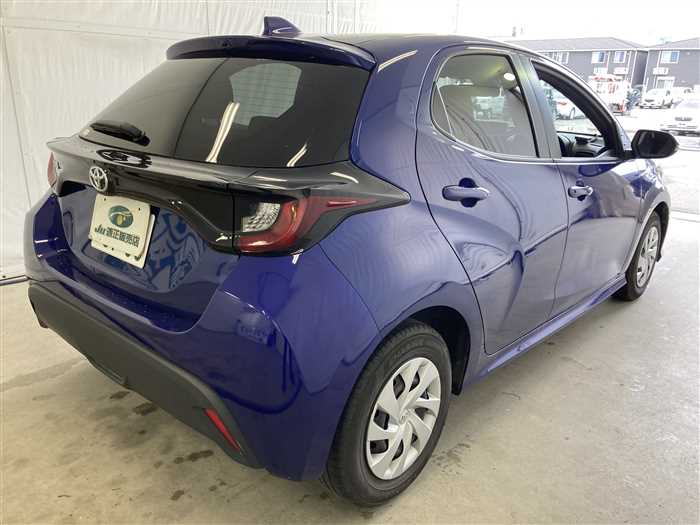
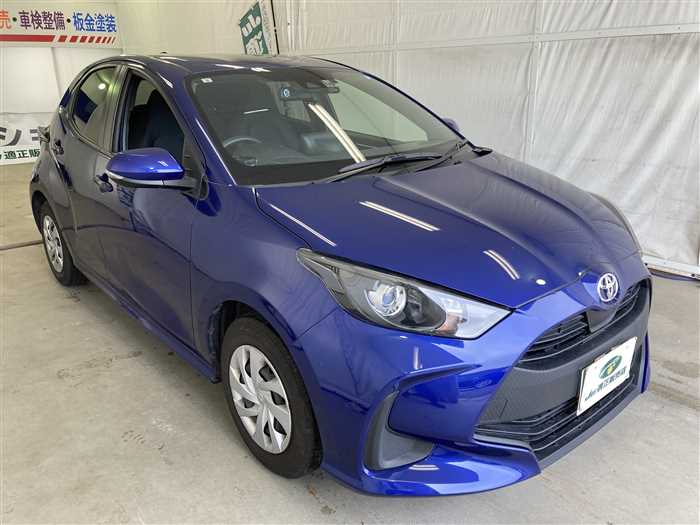
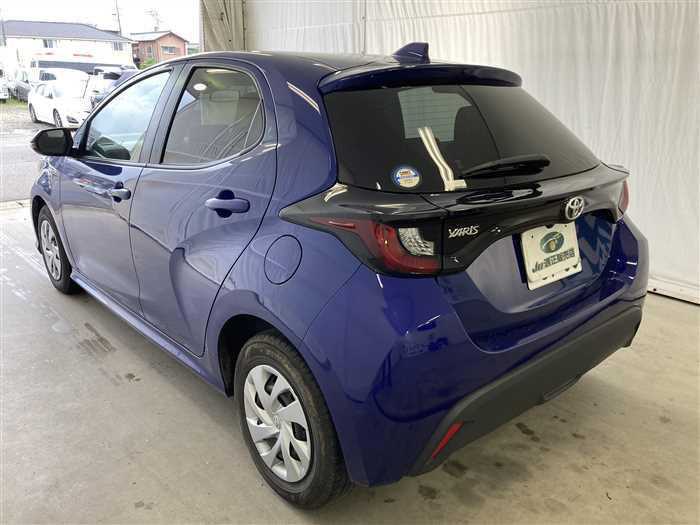
As a seasoned car inspector in Uganda, I’ve seen firsthand how crucial vehicle choice is for diverse driving requirements across the nation. Whether you’re navigating Kampala’s bustling streets, heading upcountry for a weekend escape, or working within a tight budget, understanding fuel efficiency is vital. For city commuting, the ability to maneuver easily and save on fuel can make all the difference in daily expenses. When traveling upcountry, reliability and fuel efficiency become essential for long journeys on less-maintained roads. Budget-conscious buyers may also wonder how the Toyota Yaris 2025 compares to other vehicles in terms of overall maintenance costs. Are you asking whether the Yaris can handle the rigors of urban driving while maintaining economical fuel consumption? How does its performance stack up against traditional expectations for vehicles used in Ugandan conditions? And for those eyeing this model, is it spacious enough to accommodate family needs or cargo for longer trips? Exploring these concerns can illuminate whether the Yaris is a solid investment for different lifestyles and driving demands in Uganda.
Answer
Verdict
Suitable with conditions. The Toyota Yaris 2025 offers good fuel efficiency for city driving in Uganda, but factors such as Kampala’s heavy traffic, potholes, speed humps, and the rainy season can affect performance and fuel economy.
Fuel Efficiency Overview
The Toyota Yaris 2025 is generally designed to maximize fuel efficiency, making it a reasonable choice for urban settings. It typically achieves a fuel economy of around 12 to 16 km per liter. However, this can vary by trim, and it is advisable to verify by VIN for detailed specifications.
Performance in Local Conditions
Driving in Kampala often involves navigating through traffic jams and dealing with speed humps, which can lead to higher fuel consumption. Additionally, upcountry roads often have poor conditions, such as potholes and unpaved surfaces, which can impact the vehicle’s economy.
Rainy Season Considerations
During the rainy season, driving conditions can deteriorate further. The Yaris has a good track record for handling wet roads; however, excessive rain could result in reduced fuel efficiency due to stop-and-go scenarios and the need for extra caution.
Maintenance and Fuel Quality
Regular maintenance is key to ensuring that fuel efficiency remains optimal. Additionally, the quality of fuel available in Uganda can vary, and using higher-quality fuel may help in achieving better mileage.
Summary
While the Toyota Yaris 2025 is suitable for city driving in Uganda, drivers should be aware of various local conditions that can influence fuel efficiency. Understanding these factors will help in managing expectations and optimizing performance.
FAQs
1. What is the average fuel economy of the Toyota Yaris 2025 in Uganda?
The average fuel economy is approximately 12 to 16 km per liter, depending on conditions and trim.
2. How does traffic in Kampala affect fuel efficiency?
Heavy traffic can lead to increased fuel consumption due to frequent stopping and starting.
3. Are there any special considerations for driving during the rainy season?
Yes, rain can cause more stop-and-go driving, potentially reducing fuel efficiency; caution is also necessary on slippery roads.
4. What should I check to ensure optimal fuel efficiency?
Regular maintenance, checking tire pressure, and using quality fuel can help maintain better fuel economy.
5. Can driving on unpaved roads affect the Yaris’s fuel economy?
Yes, driving on unpaved or poorly maintained roads can increase fuel consumption due to lower traction and rough terrain.
The LAND ROVER DISCOVERY 3 2009, produced in 2009, embodies a robust design and advanced features that cater to off-road enthusiasts, making it a notable contender for Uganda’s diverse terrains....
The Land Rover Discovery 3 Manual Diesel 2008 is a robust vehicle well-suited for the varied terrains of Uganda, where off-road driving is often essential. Known for its advanced four-wheel...
The Land Rover Discovery 30-Diesel 2015 is a vehicle designed for both luxury and rugged terrain, making it a popular choice for adventurers in Uganda. With its powerful diesel engine,...
As an experienced car inspector in Uganda, I often encounter potential buyers eager to find a vehicle that meets their unique needs. Uganda’s diverse terrains—from bustling city streets to rugged...
Family owned dealership of new and pre-owned vehicles with several locations across the Uganda. Lowest prices and the best customer service guaranteed.
You're almost there, select at least one more to compare!
We use cookies to ensure that we give you the best experience on our website. If you continue to use this site we will assume that you are happy with it.
You can revoke your consent any time using the Revoke consent button.