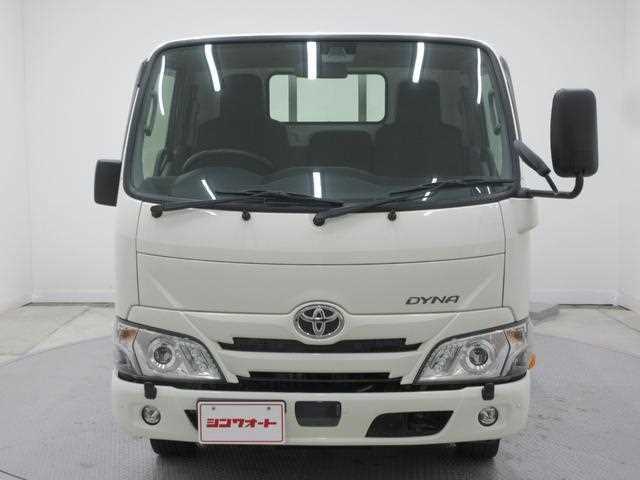
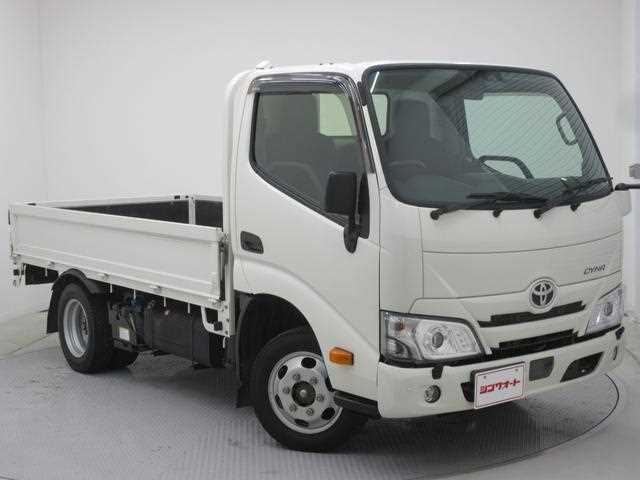
As an experienced car inspector in Uganda, I’ve closely observed how vehicle performance aligns with our unique driving conditions. The Toyota Dyna Truck 2025 is a popular choice for many, but it’s essential to consider various buyer perspectives. For those commuting within the city, fuel efficiency and maneuverability in congested traffic are paramount. Upcountry travelers prioritize robustness and reliability for long-distance journeys on rough roads. Budget-conscious buyers focus not only on the initial purchase price but also on long-term maintenance costs. When evaluating the fuel efficiency of the Dyna Truck, one might wonder: How does its fuel consumption compare to similar vehicles under real Ugandan driving conditions? Are there specific features in the 2025 model that enhance its performance in both urban and rural settings? Ultimately, how do the ongoing maintenance and repair costs align with the fuel efficiency benefits for everyday users?
Answer
Verdict
Suitable with conditions. The Toyota Dyna Truck 2025 offers a fuel efficiency range of 8 to 12 km per liter, which can be beneficial for both city driving in Kampala and longer upcountry trips, but road conditions may affect overall performance.
Overview of Fuel Efficiency
For Ugandan roads, particularly in urban areas like Kampala, typical traffic conditions and frequent stops can reduce fuel efficiency. The Dyna Truck’s efficient engine management systems contribute positively, though the presence of potholes and speed humps may demand a more cautious driving style.
Engine Performance
The Toyota Dyna Truck features a robust engine performance that allows it to tackle a variety of terrains common in Uganda. Its fuel efficiency can vary by trim, typically resulting in fuel consumption figures that range significantly based on loading and road conditions.
Driving Conditions in Uganda
The effectiveness of the Dyna Truck on Ugandan roads is influenced by several key factors, including:
Kampala Traffic: Frequent stops and starts can lead to increased fuel consumption; however, the truck’s design allows it to navigate congested areas efficiently.
Speed Humps and Potholes: The suspension system is built to handle rough conditions, but traversing poorly maintained roads can impact fuel usage.
Rainy Seasons: Wet conditions can cause slips and reduced control, making careful driving essential, which may affect fuel efficiency.
Upcountry Roads: While the Dyna Truck is well-suited for rural routes with less traffic, twisting roads may require more power and fuel.
Specifications and Variability
Fuel efficiency is largely dependent on the specific trim and weight load of the vehicle. It is advisable for potential buyers to verify specifications via the vehicle identification number (VIN) for the most accurate details related to fuel consumption.
Summary
The Toyota Dyna Truck 2025 can be a suitable choice for Ugandan roads with considerations for urban traffic and rural conditions. Its fuel efficiency of approximately 8 to 12 km per liter provides a good baseline, but real-world conditions may affect actual performance.
FAQs
What is the fuel efficiency of the Toyota Dyna Truck 2025?
The fuel efficiency ranges from 8 to 12 km per liter, depending on driving conditions and load.
How does the Dyna Truck perform in Kampala traffic?
In Kampala traffic, the Dyna Truck can handle frequent stops with reasonable efficiency, though heavy congestion may reduce overall performance.
What should I consider when driving on upcountry roads?
Upcountry roads can vary greatly, so it’s important to adapt driving speed and style to avoid excessive fuel consumption and ensure safety.
Are there specific maintenance tips to enhance fuel efficiency?
Regular engine maintenance, proper tire inflation, and timely servicing are crucial to maintaining optimal fuel efficiency.
Can I determine the exact fuel consumption for my specific Dyna Truck?
Yes, you can verify the exact specifications and fuel consumption by checking the VIN against Toyota’s database or contacting a dealer for detailed information.
The LAND ROVER DISCOVERY 3 2009, produced in 2009, embodies a robust design and advanced features that cater to off-road enthusiasts, making it a notable contender for Uganda’s diverse terrains....
The Land Rover Discovery 3 Manual Diesel 2008 is a robust vehicle well-suited for the varied terrains of Uganda, where off-road driving is often essential. Known for its advanced four-wheel...
The Land Rover Discovery 30-Diesel 2015 is a vehicle designed for both luxury and rugged terrain, making it a popular choice for adventurers in Uganda. With its powerful diesel engine,...
As an experienced car inspector in Uganda, I often encounter potential buyers eager to find a vehicle that meets their unique needs. Uganda’s diverse terrains—from bustling city streets to rugged...
Family owned dealership of new and pre-owned vehicles with several locations across the Uganda. Lowest prices and the best customer service guaranteed.
You're almost there, select at least one more to compare!
We use cookies to ensure that we give you the best experience on our website. If you continue to use this site we will assume that you are happy with it.
You can revoke your consent any time using the Revoke consent button.