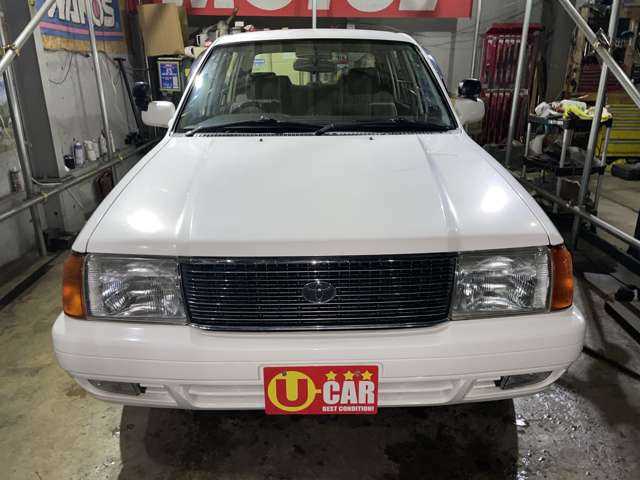
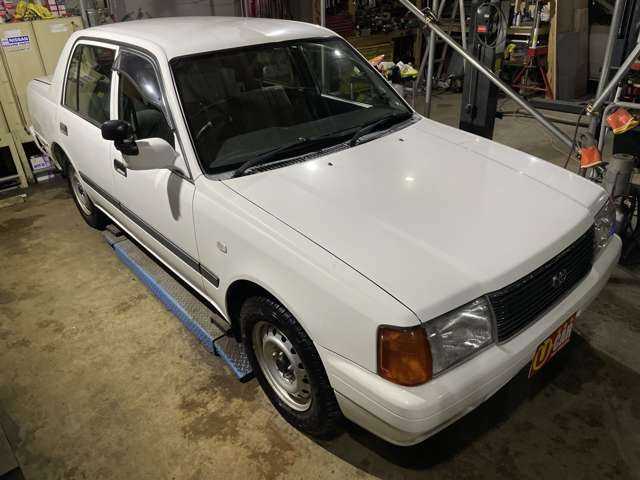
The 2011 Toyota Comfort has established itself as a popular choice among urban drivers in Uganda due to its reputation for reliability and practicality. Designed to navigate the bustling streets and varying road conditions of cities like Kampala, this sedan offers commendable fuel efficiency that appeals to many car owners facing rising fuel costs. Equipped with a 1.5-liter engine, it strikes a balance between power and economy, making it suitable for both short trips and longer commutes. Its spacious interior and comfortable seating enhance the driving experience, while the vehicle’s maintenance-friendly design is a boon for local mechanics. Additionally, the Comfort’s low emissions and compact size contribute to its suitability for city driving, making it not only a practical option but also a responsible choice for environmentally conscious drivers. In a landscape where traffic congestion and fuel prices are ongoing concerns, the 2011 Toyota Comfort stands as a compelling option for urban mobility.
Introduction
The Toyota Comfort 2011 is a popular choice in Uganda, especially for urban transport. Known for its spacious interior and reliability, it also raises questions about fuel efficiency, particularly for city driving.
Fuel Efficiency Overview
Fuel efficiency in city driving largely depends on various factors such as driving habits, road conditions, and vehicle maintenance. The Toyota Comfort 2011 is equipped with a 1.5L engine, which provides reasonable fuel consumption levels for daily urban commutes.
Manufacturer Claims
According to Toyota, the Comfort 2011 averages about 8-9 liters per 100 kilometers in urban settings. However, actual consumption may vary based on individual driving conditions and habits.
Driving in Urban Uganda
City driving in Uganda presents unique challenges like traffic congestion, potholes, and unexpected stops. These factors can affect fuel consumption, making the Toyota Comfort’s engine performance significant.
Engine Performance
The Comfort’s 1.5L engine is responsive, allowing for smooth acceleration. This can be beneficial in dense traffic, as it helps minimize fuel consumption when navigating stops and starts.
Maintenance Matters
Regular maintenance plays a key role in the fuel efficiency of the Toyota Comfort. Keeping the engine tuned, ensuring proper tire pressure, and using quality oil can lead to better mileage.
Urban Driving Tips
For better fuel efficiency, consider adopting these driving habits:
Avoid rapid acceleration and hard braking.
Maintain a steady speed while driving.
Limit the use of air conditioning when possible.
Plan your routes to avoid heavy traffic.
Comparison with Other Vehicles
Compared to other vehicles in its class, the Toyota Comfort offers competitive fuel efficiency. While some newer models may claim better mileage, the Comfort remains a reliable option for urban drivers.
Overall User Experience
Drivers often report satisfaction with the Toyota Comfort’s fuel efficiency, highlighting its economical performance in urban environments.
Summary
The Toyota Comfort 2011 proves to be a reasonable option for city driving in Uganda. Its engine provides a balanced performance suited to urban conditions, while proper maintenance and driving habits can enhance its fuel efficiency.
FAQs
1. What is the average fuel consumption of the Toyota Comfort 2011 in the city?
The average fuel consumption is around 8-9 liters per 100 km in urban driving conditions.
2. How can I improve the fuel efficiency of my Toyota Comfort?
Regular maintenance, steady driving habits, and careful route planning can enhance fuel efficiency.
3. Is the fuel efficiency of the Toyota Comfort better than other similar vehicles?
It offers competitive fuel efficiency compared to many other vehicles in its class, though newer models may perform slightly better.
4. Can driving style impact fuel consumption?
Yes, aggressive driving can significantly reduce fuel efficiency; a calm driving style is recommended for better mileage.
5. Are there any common issues that affect fuel efficiency in the Toyota Comfort?
Poor maintenance, such as dirty air filters and low tire pressure, can negatively impact fuel efficiency.
The LAND ROVER DISCOVERY 3 2009, produced in 2009, embodies a robust design and advanced features that cater to off-road enthusiasts, making it a notable contender for Uganda’s diverse terrains....
The Land Rover Discovery 3 Manual Diesel 2008 is a robust vehicle well-suited for the varied terrains of Uganda, where off-road driving is often essential. Known for its advanced four-wheel...
The Land Rover Discovery 30-Diesel 2015 is a vehicle designed for both luxury and rugged terrain, making it a popular choice for adventurers in Uganda. With its powerful diesel engine,...
As an experienced car inspector in Uganda, I often encounter potential buyers eager to find a vehicle that meets their unique needs. Uganda’s diverse terrains—from bustling city streets to rugged...
Family owned dealership of new and pre-owned vehicles with several locations across the Uganda. Lowest prices and the best customer service guaranteed.
You're almost there, select at least one more to compare!
We use cookies to ensure that we give you the best experience on our website. If you continue to use this site we will assume that you are happy with it.
You can revoke your consent any time using the Revoke consent button.