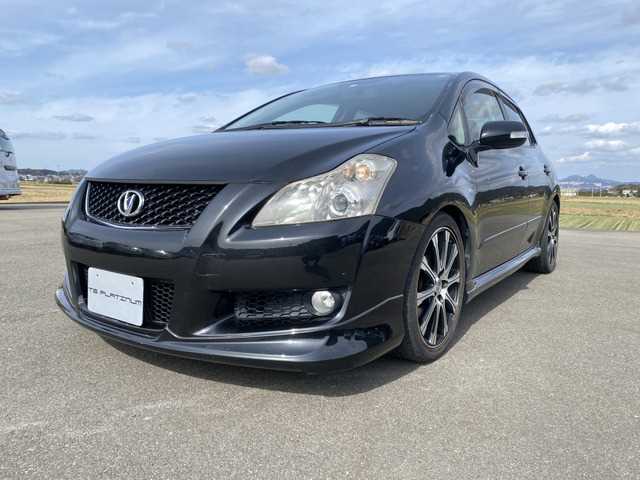
The Toyota Blade 2008, a compact hatchback, has garnered attention in various markets for its stylish design and performance. In Uganda, characterized by diverse road conditions ranging from well-paved urban streets to rugged rural pathways, the suitability of this vehicle comes into question. Its relatively low ground clearance may pose challenges on unpaved roads or during the rainy season when mud and potholes are common. However, the Blade’s reputation for reliability, coupled with a fuel-efficient engine, makes it an attractive option for city driving. Maintenance availability and repair costs are also crucial factors to consider for Ugandan drivers. Ultimately, the choice of the Toyota Blade in Uganda hinges on individual driving needs and the specific environments in which the vehicle will be operated.
Introduction
The 2008 Toyota Blade is a versatile vehicle that has garnered attention in various markets. In Uganda, road conditions can vary widely, making it essential to assess whether this specific model can withstand the challenges faced on local roads.
General Overview of the Toyota Blade
The Toyota Blade is essentially a hatchback that boasts a sporty design and a spacious interior. It’s equipped with a 2.4-liter engine, providing enough power for both city driving and longer trips. The vehicle aims to balance performance with comfort, catering to those who appreciate both style and practicality.
Engine Performance
Powered by a 2.4-liter engine, the Blade offers decent performance. Its fuel efficiency is competitive, which is beneficial considering fuel prices in Uganda. However, performance can be affected by the quality of fuel available in different regions.
Handling and Suspension
The Blade features a suspension system designed for a smooth ride, which can be advantageous on Uganda’s uneven roads. However, regular maintenance is crucial to ensure the suspension can absorb bumps effectively.
Road Conditions in Uganda
Uganda’s road infrastructure varies greatly. While some areas have well-maintained roads, others suffer from potholes and poor drainage. Hence, a vehicle must display a good balance of durability and comfort.
Driving in Urban Areas
In cities like Kampala, traffic congestion is a common issue. The Toyota Blade’s compact size enables easy maneuvering through tight spaces. Its fuel efficiency can also save on costs during everyday commutes.
Driving in Rural Areas
For rural driving, the Blade’s suspension system is designed to handle a variety of terrains but may struggle on particularly rough roads. Drivers might experience challenges on unpaved paths and during the rainy season when roads can become muddy and slippery.
Maintenance and Parts Availability
Finding replacement parts for the Toyota Blade can be manageable in Uganda, especially in urban centers where many auto shops stock popular models. Regular maintenance is advisable to keep the vehicle in optimal condition.
Cost of Maintenance
Routine servicing is generally affordable, but costs can accumulate if specialized repairs are needed. It’s wise to establish a relationship with a reliable mechanic to ensure efficient upkeep.
User Experience and Reviews
User reviews indicate that drivers appreciate the Blade’s comfortable interior and fuel efficiency. However, some have noted that it may not be the best choice for very rough terrain without additional modifications.
Summary
The 2008 Toyota Blade presents a mixed bag for Ugandan road conditions. While it excels in urban settings and provides good fuel efficiency, its performance may falter in rural areas with poorly maintained roads. Ultimately, it can be considered a suitable option for those primarily navigating city streets, but users should assess their specific needs based on expected driving conditions.
FAQs
1. Is the Toyota Blade good for rough roads in Uganda?
While it can handle moderate roughness, the Blade may struggle on very poor roads.
2. What is the fuel efficiency of the 2008 Toyota Blade?
It typically offers good fuel efficiency, making it suitable for city driving and long trips.
3. Are parts readily available for the Toyota Blade in Uganda?
Yes, especially in urban areas, many shops and mechanics stock parts for popular models like the Blade.
4. How does the Blade perform in traffic?
Its compact size is advantageous for navigating through traffic, making it a practical choice for urban settings.
5. What should I consider before purchasing a Toyota Blade in Uganda?
Consider your primary driving conditions, maintenance options, and the availability of spare parts in your area.
The LAND ROVER DISCOVERY 3 2009, produced in 2009, embodies a robust design and advanced features that cater to off-road enthusiasts, making it a notable contender for Uganda’s diverse terrains....
The Land Rover Discovery 3 Manual Diesel 2008 is a robust vehicle well-suited for the varied terrains of Uganda, where off-road driving is often essential. Known for its advanced four-wheel...
The Land Rover Discovery 30-Diesel 2015 is a vehicle designed for both luxury and rugged terrain, making it a popular choice for adventurers in Uganda. With its powerful diesel engine,...
As an experienced car inspector in Uganda, I often encounter potential buyers eager to find a vehicle that meets their unique needs. Uganda’s diverse terrains—from bustling city streets to rugged...
Family owned dealership of new and pre-owned vehicles with several locations across the Uganda. Lowest prices and the best customer service guaranteed.
You're almost there, select at least one more to compare!
We use cookies to ensure that we give you the best experience on our website. If you continue to use this site we will assume that you are happy with it.
You can revoke your consent any time using the Revoke consent button.