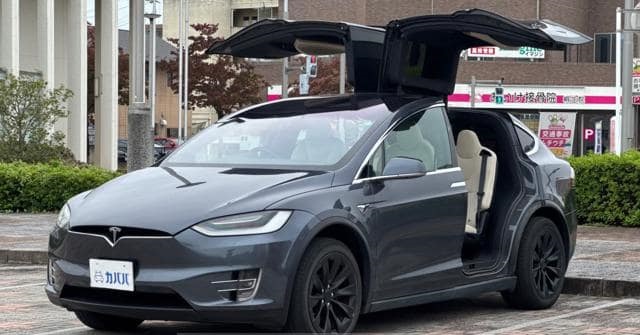
As an experienced car inspector based in Uganda, I’m often approached by potential buyers curious about the suitability of various vehicles for our unique landscape and driving conditions. The Tesla Model X 2020, while technologically advanced, raises important considerations for different types of buyers. For city commuters in Kampala, the electric vehicle’s range and charging infrastructure may influence their decision, given the growing demand for eco-friendly options amidst urban congestion. Meanwhile, those planning upcountry travel must weigh its ability to handle rough, unpaved roads that are common in rural areas. Budget-conscious consumers also need to consider the long-term costs associated with maintenance, repairs, and the availability of service centers for a complex vehicle like the Model X. Will the charging network keep pace with the vehicle’s requirements? Can the Model X withstand the wear and tear of Uganda’s diverse terrains? And, importantly, how do its features justify the investment for buyers balancing cost and performance? These are crucial factors to explore in the context of our vibrant automotive landscape.
Answer
Verdict
Suitable with conditions. The Tesla Model X can handle urban environments like Kampala, but its performance can be hampered by factors such as potholes, speed humps, and the rainy season, especially on rough upcountry roads.
Performance in Urban Environments
In the congested streets of Kampala, the electric powertrain of the Model X offers quick acceleration and a quiet ride, which is beneficial in stop-and-go traffic. However, the vehicle’s low ground clearance could be a challenge over speed humps and during the rainy season when flooding occurs.
Capability on Upcountry Roads
While the Model X has all-wheel drive options that can be favorable on rough terrain, Uganda’s upcountry roads often present a series of challenges, including potholes and unpaved surfaces. It is advisable to consider the specific trim and its suspension capabilities when venturing onto these roads.
Fuel Efficiency
Tesla Model X typically achieves around 15-20 km per kWh, varying by trim and usage conditions. This efficiency will allow for decent range on most urban and some semi-rural routes, though careful planning is necessary to locate charging stations, especially outside of Kampala.
Charging Infrastructure
Kampala has started to develop more charging stations, but availability can still be limited in upcountry regions. It’s crucial for owners to plan their routes and charging needs well in advance to ensure convenience and accessibility during travels.
Weather Considerations
The rainy season can complicate driving conditions. The vehicle’s weight and electric components must be carefully monitored to avoid water-related issues. Regular maintenance checks will ensure safe operation during Uganda’s rainy spells.
Summary
The Tesla Model X can be a suitable vehicle for urban use in Uganda, offering an eco-friendly option coupled with impressive technology. However, for optimal performance, especially on less developed roads, careful consideration of specific driving conditions and vehicle specs is essential.
FAQs
1. How does the Tesla Model X perform in heavy rain?
The Tesla Model X has all-wheel drive which can aid in traction during heavy rain, but caution is still advised due to potential hydroplaning on flooded roads.
2. What is the average charging time for the Tesla Model X?
Charging time can vary; a Tesla Supercharger can charge up to 80% in about 30-40 minutes, while a home charger may take several hours.
3. Are there service centers for Tesla in Uganda?
Currently, Tesla service centers are limited in Uganda. Owners may need to travel to nearby regions or wait for developments in local service availability.
4. What is the typical range of the Tesla Model X on a full charge?
Depending on the model, the Tesla Model X ranges from approximately 400 to 500 km on a single charge; however, actual mileage may vary based on driving conditions and habits.
5. Is it easy to find spare parts for the Tesla Model X in Uganda?
Spare parts for the Tesla Model X may not be readily available locally, making it essential for owners to plan for potential imports when required.
The LAND ROVER DISCOVERY 3 2009, produced in 2009, embodies a robust design and advanced features that cater to off-road enthusiasts, making it a notable contender for Uganda’s diverse terrains....
The Land Rover Discovery 3 Manual Diesel 2008 is a robust vehicle well-suited for the varied terrains of Uganda, where off-road driving is often essential. Known for its advanced four-wheel...
The Land Rover Discovery 30-Diesel 2015 is a vehicle designed for both luxury and rugged terrain, making it a popular choice for adventurers in Uganda. With its powerful diesel engine,...
As an experienced car inspector in Uganda, I often encounter potential buyers eager to find a vehicle that meets their unique needs. Uganda’s diverse terrains—from bustling city streets to rugged...
Family owned dealership of new and pre-owned vehicles with several locations across the Uganda. Lowest prices and the best customer service guaranteed.
You're almost there, select at least one more to compare!
We use cookies to ensure that we give you the best experience on our website. If you continue to use this site we will assume that you are happy with it.
You can revoke your consent any time using the Revoke consent button.