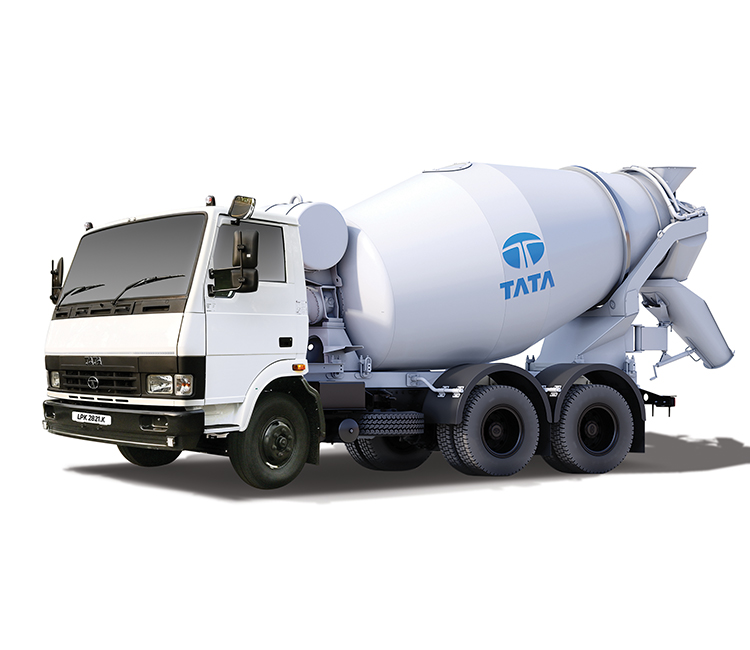
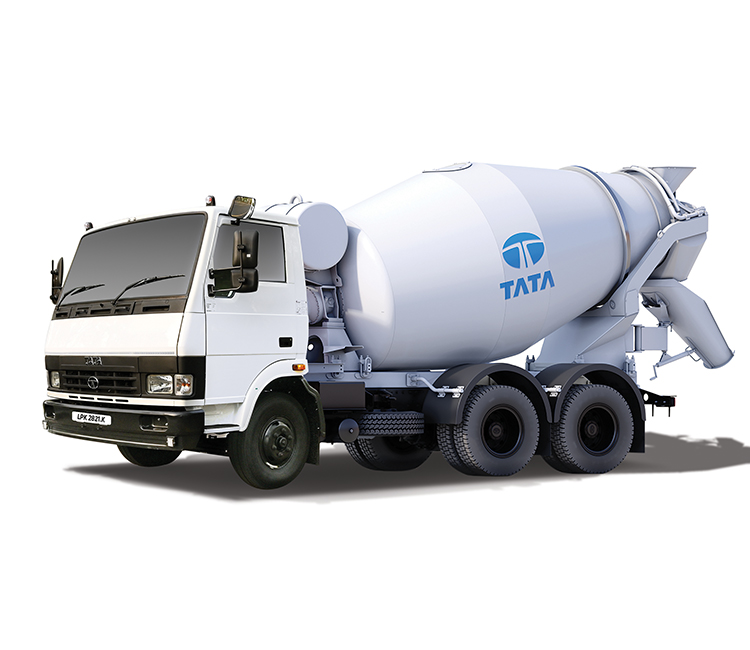
As an experienced car inspector based in Uganda, I understand the diverse needs of vehicle buyers in our unique landscape. The TATA LPK 2821.K RMC 2025 is an intriguing option for those involved in construction projects, but its suitability can vary significantly based on what the buyer prioritizes. For city commuters, questions about maneuverability and fuel efficiency in congested urban areas often take precedence. When considering upcountry travel, potential users may be concerned about the vehicle’s ability to handle rugged terrains and distant journeys. Additionally, those operating on a tighter budget might question the long-term maintenance costs and the availability of parts. Is the vehicle capable of providing the necessary load capacity while still being efficient enough for daily operations? How does it perform under heavy-duty conditions, especially on rough Ugandan roads? Finally, can potential buyers expect a reliable service network to support their investment?
Answer
Verdict
Suitable with conditions. The TATA LPK 2821.K RMC 2025 offers robust specifications for construction projects, but its performance may be challenged by Uganda’s road conditions, particularly in rural areas and during the rainy season.
Performance Overview
The TATA LPK 2821.K RMC 2025 is designed for heavy-duty tasks, with an engine that typically provides around 8 to 10 km per liter. This can vary by trim and should be verified by VIN to ensure accuracy.
Road Conditions in Uganda
Kampala traffic can be congested, leading to delays that may affect project timelines. Upcountry roads often feature potholes and can be difficult to navigate, especially during rainy seasons when flooding is common. The TATA LPK 2821.K’s ground clearance and build quality offer some advantages, but caution is advised.
Fuel Efficiency
Fuel efficiency generally falls between 8 to 10 km per liter. Variability does exist depending on driving conditions and cargo load. Engaging in regular maintenance can help maximize fuel efficiency.
Payload Capacity
This vehicle typically supports significant payloads, suitable for construction materials. However, adherence to weight limits is crucial to prevent damage and ensure safety on Uganda’s unpredictable road networks.
Climate Considerations
The climate can impact the vehicle’s performance. The rainy season can exacerbate pothole problems and create slippery conditions, requiring a careful approach to vehicle operation.
Cost of Ownership
While initial purchase price is a factor, maintenance and fuel efficiency will also greatly influence overall ownership costs. Regular servicing at authorized centers can help maintain performance and resale value.
Summary
The TATA LPK 2821.K RMC 2025 is a suitable option for construction projects in Uganda, provided operators are prepared to navigate the challenges presented by local road conditions and the environment.
FAQs
What type of fuel does the TATA LPK 2821.K use?
The TATA LPK 2821.K primarily uses diesel fuel.
How does the TATA LPK perform on unpaved roads?
Its performance on unpaved roads is decent due to good ground clearance, but caution is needed on extremely rough terrain.
Is the vehicle suitable for heavy loads?
Yes, it is designed to handle heavy loads, making it suitable for construction materials.
What maintenance is required to ensure optimal performance?
Regular maintenance, including oil changes, tire checks, and brake inspections, is essential for optimal performance.
Can it be used year-round in Uganda?
Yes, but operators should take care during the rainy season as road conditions can become hazardous.
The LAND ROVER DISCOVERY 3 2009, produced in 2009, embodies a robust design and advanced features that cater to off-road enthusiasts, making it a notable contender for Uganda’s diverse terrains....
The Land Rover Discovery 3 Manual Diesel 2008 is a robust vehicle well-suited for the varied terrains of Uganda, where off-road driving is often essential. Known for its advanced four-wheel...
The Land Rover Discovery 30-Diesel 2015 is a vehicle designed for both luxury and rugged terrain, making it a popular choice for adventurers in Uganda. With its powerful diesel engine,...
As an experienced car inspector in Uganda, I often encounter potential buyers eager to find a vehicle that meets their unique needs. Uganda’s diverse terrains—from bustling city streets to rugged...
Family owned dealership of new and pre-owned vehicles with several locations across the Uganda. Lowest prices and the best customer service guaranteed.
You're almost there, select at least one more to compare!
We use cookies to ensure that we give you the best experience on our website. If you continue to use this site we will assume that you are happy with it.
You can revoke your consent any time using the Revoke consent button.