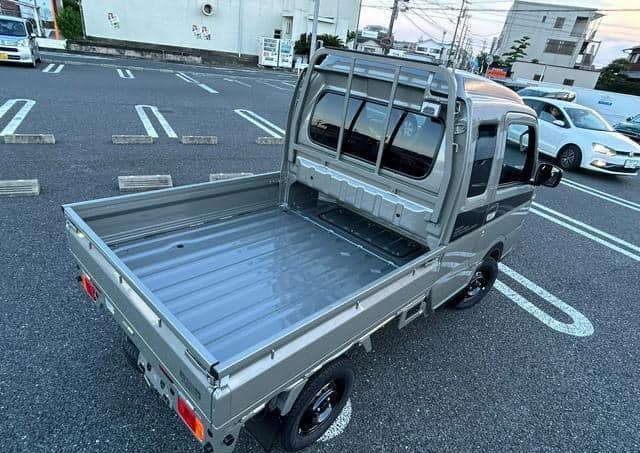
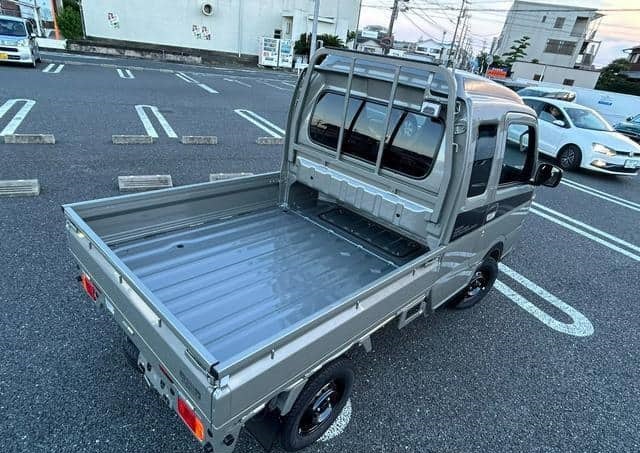
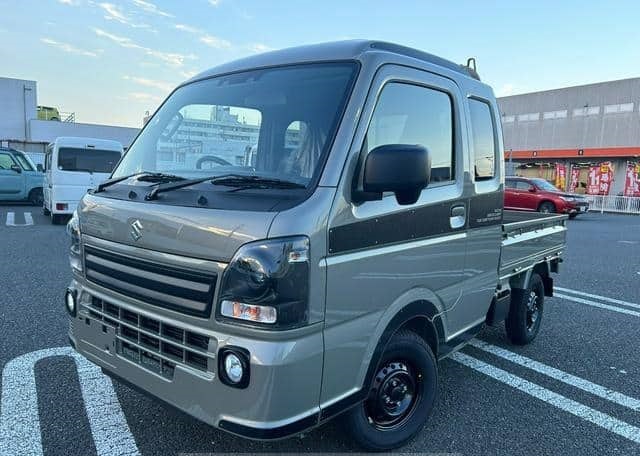
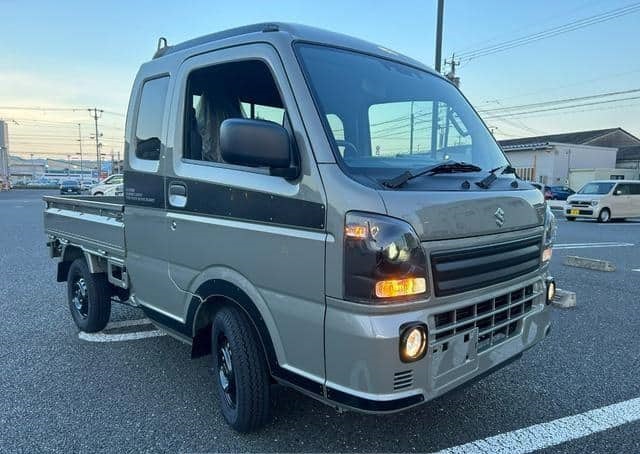
As an experienced car inspector based in Uganda, I often encounter various vehicle needs specific to our diverse landscape and economic environment. When considering the Suzuki Super Carry 2025, it’s essential to reflect on the perspectives of potential buyers in urban and rural contexts. For city commuters, the compact design and fuel efficiency could be significant advantages, facilitating daily travel amidst the bustling streets of Kampala. For those planning upcountry journeys, the vehicle’s ruggedness and cargo capacity might serve as crucial features for transporting goods across challenging terrains. Budget-conscious buyers will also weigh the initial purchase price against long-term maintenance costs to ensure their investment remains viable. Given these perspectives, several focused concerns arise. How does the Suzuki Super Carry handle different road conditions, especially in rural areas prone to wear and tear? What kind of fuel efficiency can owners expect in city traffic versus long-distance travel? Lastly, what are the warranty and service options available, and how easy is it to source spare parts locally? Addressing these questions can provide valuable insights for anyone considering this vehicle for their small business needs in Uganda.
Answer
Verdict
Suitable with conditions. The Suzuki Super Carry 2025 can be an excellent choice for small business needs in Uganda, particularly for urban deliveries, but performance may be affected by road conditions and heavy traffic.
Fuel Efficiency
The Suzuki Super Carry typically offers around 10 to 15 kilometers per liter, depending on the specific trim and load. It’s important to verify each vehicle’s fuel efficiency by checking the VIN.
Performance in Urban Settings
In Kampala, the traffic congestion can be challenging. However, the compact size of the Super Carry allows for easier navigation through crowded streets. It is advisable to plan around peak hours to avoid delays.
Handling of Road Conditions
The vehicle is engineered for light loads and can manage potholes typically found in urban Ugandan roads. However, caution is needed on upcountry roads, especially during the rainy season when roads can become more treacherous.
Capacity and Load
The Super Carry is designed with a payload capacity typically ranging between 700 to 900 kg, making it suitable for small deliveries, though actual capacity will vary based on the model trim.
Service and Maintenance
Regular servicing is essential, especially given the challenging driving conditions in Uganda. Access to spare parts may vary by location, so consider this when planning operational logistics.
Pricing and Availability
The price can vary based on the trim and features, so it’s crucial to check local dealerships for precise pricing.
Summary
The Suzuki Super Carry 2025 can effectively meet small business needs in urban Uganda, although performance may depend on careful handling of road conditions and adherence to traffic management.
FAQs
1. What is the average fuel consumption of the Suzuki Super Carry?
The fuel efficiency typically ranges from 10 to 15 kilometers per liter, depending on the trim and conditions.
2. Can the Super Carry manage rough roads?
Yes, it can handle standard potholes but may require caution on poorly maintained upcountry roads, especially during the rainy season.
3. What is the payload capacity of the Suzuki Super Carry?
Payload capacity generally ranges between 700 to 900 kg, depending on the model.
4. Is servicing readily available in Uganda?
Servicing options are available in urban areas, but access to parts may vary in remote locations, so planning ahead is recommended.
5. How can I check the specific features of a Suzuki Super Carry?
You can verify the specifics and features of a Suzuki Super Carry by checking the Vehicle Identification Number (VIN) directly with local dealerships.
The LAND ROVER DISCOVERY 3 2009, produced in 2009, embodies a robust design and advanced features that cater to off-road enthusiasts, making it a notable contender for Uganda’s diverse terrains....
The Land Rover Discovery 3 Manual Diesel 2008 is a robust vehicle well-suited for the varied terrains of Uganda, where off-road driving is often essential. Known for its advanced four-wheel...
The Land Rover Discovery 30-Diesel 2015 is a vehicle designed for both luxury and rugged terrain, making it a popular choice for adventurers in Uganda. With its powerful diesel engine,...
As an experienced car inspector in Uganda, I often encounter potential buyers eager to find a vehicle that meets their unique needs. Uganda’s diverse terrains—from bustling city streets to rugged...
Family owned dealership of new and pre-owned vehicles with several locations across the Uganda. Lowest prices and the best customer service guaranteed.
You're almost there, select at least one more to compare!
We use cookies to ensure that we give you the best experience on our website. If you continue to use this site we will assume that you are happy with it.
You can revoke your consent any time using the Revoke consent button.