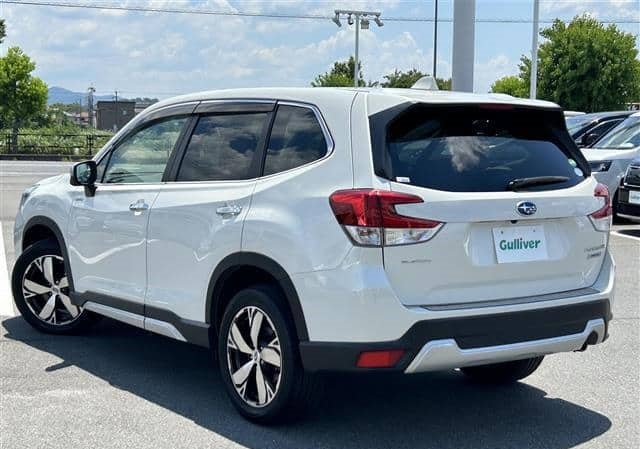
As an experienced car inspector in Uganda, I often find myself addressing the diverse needs of potential buyers when considering vehicles like the 2020 Subaru Forester. Within urban settings, many individuals prioritize fuel efficiency for city commuting, where traffic congestion and stop-and-go driving can significantly impact consumption. For those venturing upcountry, the durability and performance of the Forester on rougher terrains become crucial, alongside concerns about fuel economy over longer distances. Additionally, budget-conscious buyers often assess not just the initial purchase price but also ongoing maintenance costs, which can make or break their decision. Is the fuel efficiency of the Subaru Forester suitable for daily commuting in congested areas? How does it perform on challenging rural roads, particularly regarding fuel consumption? Buyers also need to consider whether this vehicle will require more frequent servicing, impacting their overall budget in the long run.
Answer
Verdict
Suitable with conditions. The Subaru Forester 2020 offers commendable fuel efficiency, but its performance can vary based on Uganda’s challenging driving conditions, such as Kampala traffic, potholes, and seasonal rains.
Efficiency on Ugandan Roads
The Subaru Forester 2020 typically achieves between 9 to 12 kilometers per liter, depending on driving conditions and the specific model trim. However, urban driving in congested areas like Kampala can lead to lower fuel efficiency, while the vehicle performs better on highways and upcountry roads.
Driving Conditions
Uganda’s road conditions can be taxing on fuel efficiency. While the Forester has a strong engine, navigating through potholes and speed humps, especially during the rainy season, can result in increased fuel consumption.
Comfort and Usability
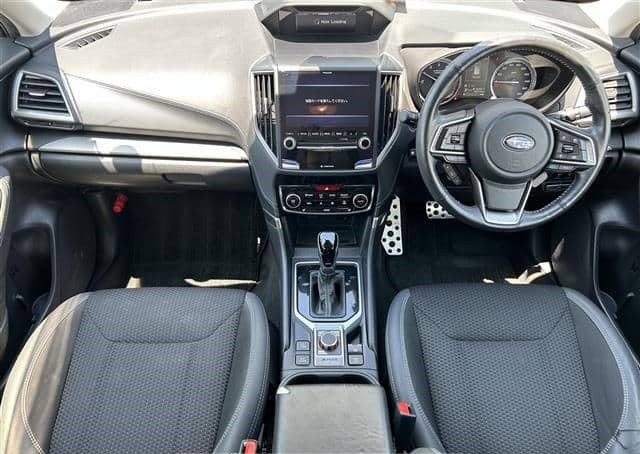
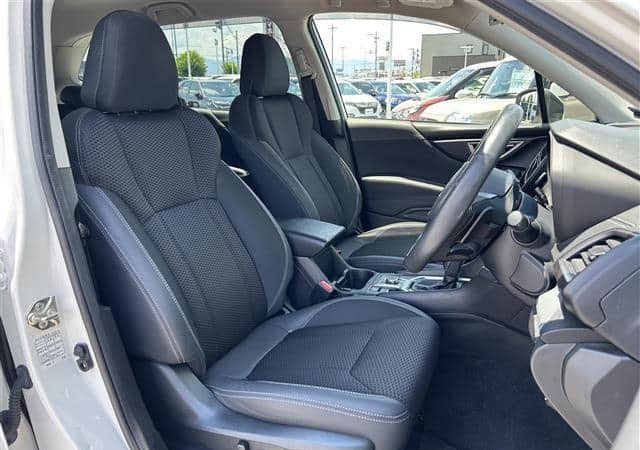
The Subaru Forester is designed for comfort with adequate space for passengers and cargo. Its all-wheel-drive system provides stability on rough terrains, making it suitable for rural journeys.
Maintenance Considerations
Regular maintenance is crucial for optimal fuel efficiency. Frequent checks, especially after navigating rough roads, can help in identifying any issues that may affect fuel consumption.
Summary
The Subaru Forester 2020 is generally fuel-efficient but requires consideration of Ugandan road conditions. It can perform well if properly maintained and used appropriately.
FAQs
1. What is the average fuel consumption of the Subaru Forester 2020 in Uganda?
The average fuel consumption ranges from 9 to 12 kilometers per liter, varying by driving conditions and model trim.
2. How does Kampala traffic affect fuel efficiency?
Stop-and-go traffic can decrease fuel efficiency significantly, leading to lower kilometers per liter compared to highway driving.
3. Is the Subaru Forester suitable for rough upcountry roads?
Yes, the Subaru Forester’s all-wheel-drive system and ground clearance make it suitable for navigating rough upcountry roads in Uganda.
4. How does the rainy season impact driving with the Forester?
During the rainy season, the Forester performs better than many vehicles due to its all-wheel-drive capability, but cautious driving is necessary on slippery and potholed roads.
5. What maintenance tips can improve fuel efficiency for the Forester?
Regular oil changes, tire pressure checks, and ensuring the vehicle is not overloaded can help maintain optimal fuel efficiency.
The LAND ROVER DISCOVERY 3 2009, produced in 2009, embodies a robust design and advanced features that cater to off-road enthusiasts, making it a notable contender for Uganda’s diverse terrains....
The Land Rover Discovery 3 Manual Diesel 2008 is a robust vehicle well-suited for the varied terrains of Uganda, where off-road driving is often essential. Known for its advanced four-wheel...
The Land Rover Discovery 30-Diesel 2015 is a vehicle designed for both luxury and rugged terrain, making it a popular choice for adventurers in Uganda. With its powerful diesel engine,...
As an experienced car inspector in Uganda, I often encounter potential buyers eager to find a vehicle that meets their unique needs. Uganda’s diverse terrains—from bustling city streets to rugged...
Family owned dealership of new and pre-owned vehicles with several locations across the Uganda. Lowest prices and the best customer service guaranteed.
You're almost there, select at least one more to compare!
We use cookies to ensure that we give you the best experience on our website. If you continue to use this site we will assume that you are happy with it.
You can revoke your consent any time using the Revoke consent button.