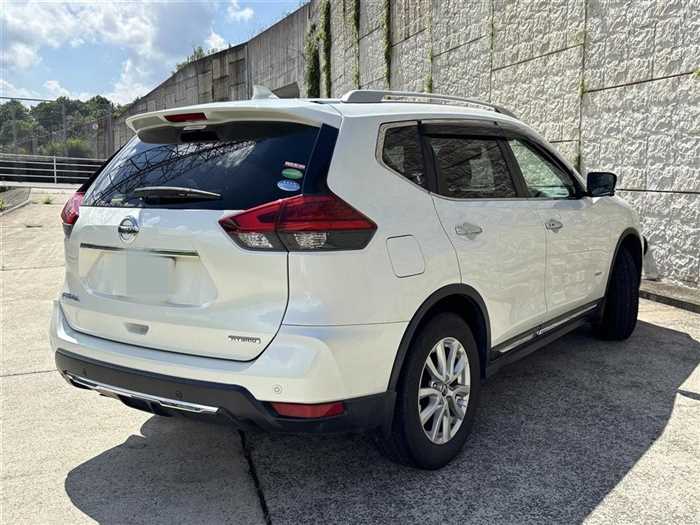
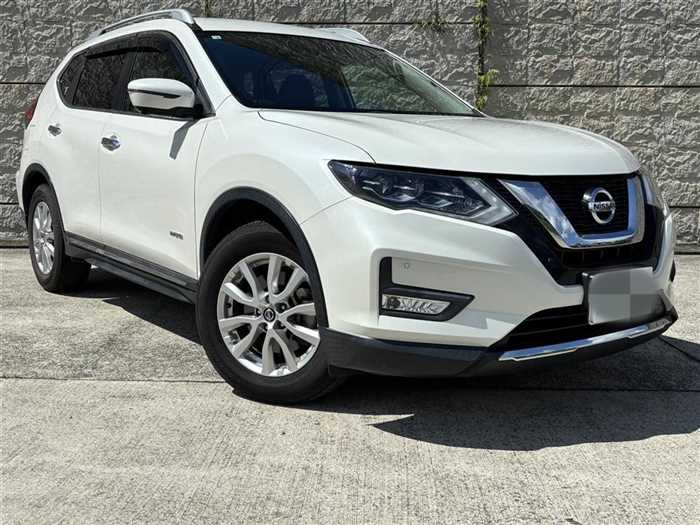
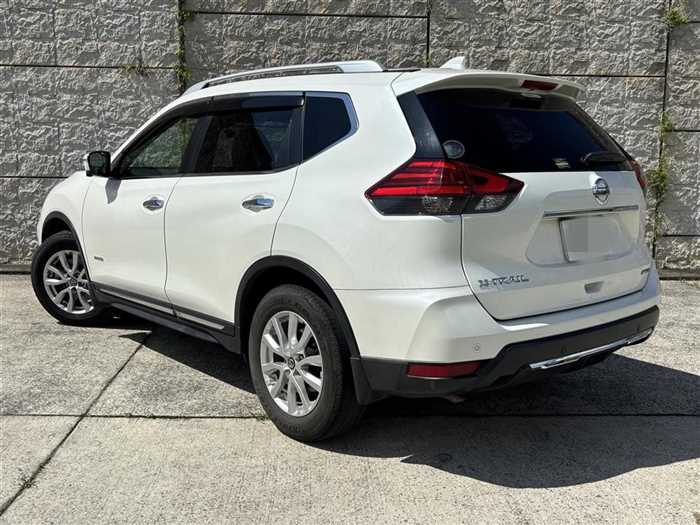
The 2018 Nissan X-Trail Hybrid has garnered attention in various markets for its eco-friendly features and fuel efficiency, particularly in urban settings. In Uganda, where city traffic often leads to stop-and-go conditions, the hybrid system can significantly improve fuel economy compared to conventional gasoline vehicles. The combination of a gasoline engine and an electric motor allows for optimal energy use, which is crucial in congested urban areas. Additionally, the X-Trail’s spacious design and modern technology enhance the driving experience, making it a practical choice for urban dwellers. However, considerations such as local fuel availability, service infrastructure, and driving habits also play pivotal roles in evaluating its overall efficiency in the Ugandan context. Balancing these factors can help users make an informed decision about the hybrid’s viability for city driving.
Introduction
The NISSAN X-TRAIL HYBRID 2018 is becoming a popular choice among urban drivers in Uganda. With rising fuel costs and increasing traffic congestion in cities like Kampala, fuel efficiency is a top consideration for many car owners.
Understanding Hybrid Technology
Hybrid vehicles utilize both an internal combustion engine and an electric motor to enhance fuel efficiency. The NISSAN X-TRAIL HYBRID combines these power sources, allowing for better fuel consumption, particularly in stop-and-go traffic.
Fuel Efficiency in Urban Driving
Urban driving often involves frequent stops, accelerating, and idling in traffic. The hybrid system of the X-TRAIL allows it to use less fuel in such conditions compared to traditional gasoline vehicles.
How Does it Perform in Kampala?
Kampala’s notorious traffic jams can lead to wasted fuel if not managed well. The X-TRAIL’s hybrid system optimizes fuel use, particularly during short trips, making it a reliable choice for city dwellers.
Comparative Analysis
When compared to other vehicles in its category, the X-TRAIL HYBRID holds its own. Many users have reported better mileage in urban settings, with approximately 5-6 liters per 100km, which is competitive for a family SUV.
Cost of Ownership
Though the initial purchase price may be higher than non-hybrid models, the savings on fuel can lead to lower long-term costs. With fuel prices fluctuating, this becomes an essential consideration for families or professionals using the vehicle daily.
Maintenance Considerations
Regular maintenance for hybrids does differ slightly from traditional cars. The battery may need eventual replacement, but overall servicing remains manageable and often less frequent due to less wear on the engine.
Environmental Impact
Driving the NISSAN X-TRAIL HYBRID contributes to lower emissions. For those who are environmentally conscious, this vehicle provides a greener alternative for urban driving.
Summary
The NISSAN X-TRAIL HYBRID 2018 stands out as a solid choice for urban driving in Uganda, particularly for its fuel efficiency and reduced emissions. As urban areas grow, a hybrid SUV like the X-TRAIL can be a smart and sustainable option for navigating bustling cities.
FAQs
1. What is the fuel efficiency of the NISSAN X-TRAIL HYBRID in urban conditions?
It averages around 5-6 liters per 100km, depending on driving habits and conditions.
2. Are hybrid cars more expensive to maintain?
While initial costs might be higher, ongoing maintenance can be competitive, particularly with fewer engine wear issues.
3. How does the hybrid system benefit stop-and-go traffic?
The electric motor can power the vehicle at low speeds, reducing fuel consumption during frequent stops.
4. Is there a battery replacement cost to consider?
Yes, battery replacements can be an expense, but they generally last many years before needing attention.
5. Does driving a hybrid vehicle reduce carbon emissions significantly?
Yes, hybrid vehicles like the X-TRAIL produce fewer emissions compared to traditional SUVs, making them a more eco-friendly option.
The LAND ROVER DISCOVERY 3 2009, produced in 2009, embodies a robust design and advanced features that cater to off-road enthusiasts, making it a notable contender for Uganda’s diverse terrains....
The Land Rover Discovery 3 Manual Diesel 2008 is a robust vehicle well-suited for the varied terrains of Uganda, where off-road driving is often essential. Known for its advanced four-wheel...
The Land Rover Discovery 30-Diesel 2015 is a vehicle designed for both luxury and rugged terrain, making it a popular choice for adventurers in Uganda. With its powerful diesel engine,...
As an experienced car inspector in Uganda, I often encounter potential buyers eager to find a vehicle that meets their unique needs. Uganda’s diverse terrains—from bustling city streets to rugged...
Family owned dealership of new and pre-owned vehicles with several locations across the Uganda. Lowest prices and the best customer service guaranteed.
You're almost there, select at least one more to compare!
We use cookies to ensure that we give you the best experience on our website. If you continue to use this site we will assume that you are happy with it.
You can revoke your consent any time using the Revoke consent button.