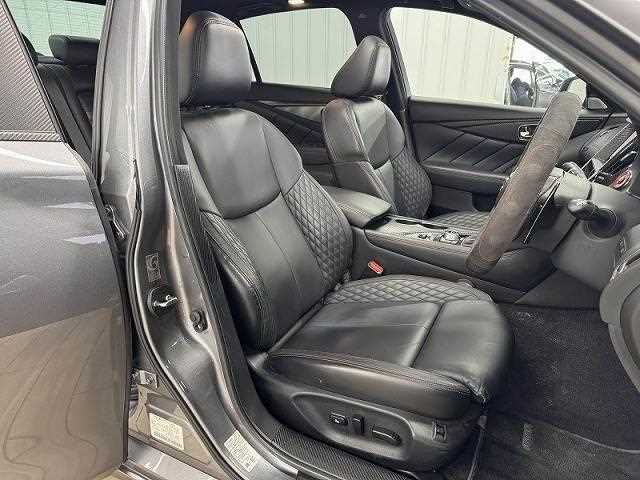
The 2021 Nissan Skyline has garnered attention as a dynamic vehicle offering a blend of performance and modern technology. In the context of Uganda, where the driving environment varies from urban traffic to rural terrain, fuel efficiency becomes a paramount consideration for daily drivers. This model incorporates advanced engineering aimed at optimizing fuel consumption without compromising on performance. Factors such as engine design, weight, and aerodynamics play critical roles in determining its efficiency. Additionally, the fuel pricing landscape in Uganda further emphasizes the need for economical vehicle options. By assessing both the technical specifications of the Skyline and real-world driving conditions, one can gauge its suitability for the Ugandan market. Ultimately, understanding its fuel efficiency is essential for potential buyers looking for a reliable daily driver that balances performance with cost-effectiveness.
Introduction
The NISSAN SKYLINE 2021 is often a topic of debate among car enthusiasts, especially when considering fuel efficiency for daily driving in Uganda. With its sleek design and powerful engine, it’s important to evaluate whether it meets the needs of everyday drivers in both urban and rural settings.
Engine Specifications
The NISSAN SKYLINE 2021 features multiple engine options, including a 2.0-liter turbocharged four-cylinder and a more powerful V6 variant. The choice of engine greatly influences fuel consumption, so understanding your options is key.
Fuel Economy Ratings
The fuel economy rating for the turbocharged engine stands at around 9 km/l in the city and 12 km/l on highways. While this might be decent for some, urban drivers should consider their daily routes and potential stop-and-go traffic.
Driving Conditions in Uganda
In Uganda, driving conditions can vary significantly. From congested city roads in Kampala to rural routes where fuel stations may be sparse, these factors affect the overall efficiency of any vehicle.
Urban Driving
In urban settings, the NISSAN SKYLINE may not perform at its optimal fuel efficiency. Frequent stops and traffic jams can lead to higher consumption than expected. It’s wise to factor in these conditions when evaluating its suitability for daily driving.
Rural Driving
On the other hand, the vehicle shines on open roads with less congestion. The highway fuel economy improves considerably, making longer rides more economical. This makes it a good choice for occasional trips outside the city.
Maintenance Considerations
Regular maintenance plays a significant role in fuel efficiency. Keeping the engine tuned and tires properly inflated can lead to better mileage for the NISSAN SKYLINE. For Ugandan roads, this becomes even more important due to the challenging conditions.
Fuel Quality
Fuel quality in Uganda can vary, which may impact engine performance. Using high-quality fuel can improve efficiency and extend the lifespan of the vehicle. Always look for reputable suppliers to ensure you’re getting the best fuel for your NISSAN SKYLINE.
Cost of Ownership
Besides fuel costs, consider insurance, taxes, and maintenance expenses. These factors will add up over time and should be included in the total cost analysis when pondering on owning a NISSAN SKYLINE 2021 in Uganda.
Resale Value
The resale value of the NISSAN SKYLINE tends to hold well in Uganda, especially among enthusiasts. However, factors like mileage and condition upon resale will ultimately affect the value.
Is It Worth It?
If you’re driving mainly in urban areas, there might be more fuel-efficient options available. However, if you frequently travel to less congested areas, the NISSAN SKYLINE 2021 could meet your needs satisfactorily, balancing power and efficiency effectively.
Summary
The NISSAN SKYLINE 2021 shows potential for being a practical vehicle for varied driving conditions in Uganda. While its fuel efficiency is decent, urban drivers should be mindful of the traffic and driving conditions that may impact overall consumption.
FAQs
1. What is the average fuel economy for the NISSAN SKYLINE 2021 in Uganda?
The average fuel economy stands at about 9 km/l in urban settings and 12 km/l on highways.
2. Does fuel quality affect the performance of the NISSAN SKYLINE?
Yes, using high-quality fuel can improve engine performance and fuel efficiency.
3. Is the NISSAN SKYLINE suitable for rough Ugandan roads?
While it can handle various terrains, regular maintenance is essential to keep it in optimal condition on rough roads.
4. How often should I service my NISSAN SKYLINE?
Regular servicing every 5,000 to 10,000 km is recommended to maintain performance and efficiency.
5. What should I consider before purchasing a NISSAN SKYLINE 2021?
Consider your driving habits, types of roads frequently used, total cost of ownership, and maintenance needs before making a decision.
The LAND ROVER DISCOVERY 3 2009, produced in 2009, embodies a robust design and advanced features that cater to off-road enthusiasts, making it a notable contender for Uganda’s diverse terrains....
The Land Rover Discovery 3 Manual Diesel 2008 is a robust vehicle well-suited for the varied terrains of Uganda, where off-road driving is often essential. Known for its advanced four-wheel...
The Land Rover Discovery 30-Diesel 2015 is a vehicle designed for both luxury and rugged terrain, making it a popular choice for adventurers in Uganda. With its powerful diesel engine,...
As an experienced car inspector in Uganda, I often encounter potential buyers eager to find a vehicle that meets their unique needs. Uganda’s diverse terrains—from bustling city streets to rugged...
Family owned dealership of new and pre-owned vehicles with several locations across the Uganda. Lowest prices and the best customer service guaranteed.
You're almost there, select at least one more to compare!
We use cookies to ensure that we give you the best experience on our website. If you continue to use this site we will assume that you are happy with it.
You can revoke your consent any time using the Revoke consent button.