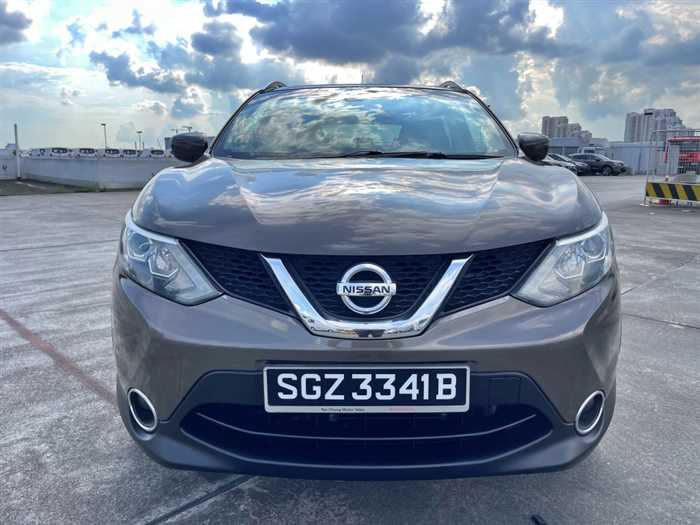
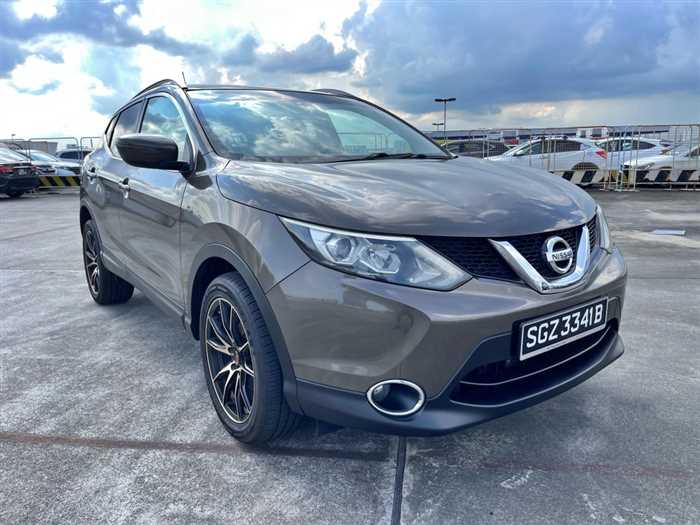
The 2015 Nissan Qashqai has garnered attention for its blend of style, versatility, and performance, making it an attractive choice for various driving conditions. In Uganda, where road quality can vary significantly from well-maintained highways to more rugged terrain, fuel efficiency becomes a crucial consideration for both daily commuters and long-distance travelers. The Qashqai’s engineering, featuring a range of efficient engines and a lightweight body, caters to the demands of urban driving as well as the challenges of rural roads. Additionally, its compact SUV design offers practicality without compromising on comfort, which is essential for navigating Uganda’s diverse landscapes. Understanding how this vehicle performs in terms of fuel economy under local conditions can provide valuable insights for prospective buyers and vehicle enthusiasts alike. As fuel prices fluctuate, the relevance of fuel efficiency in everyday use continues to grow. Ultimately, the 2015 Nissan Qashqai’s capabilities in this context warrant a thorough evaluation.
Understanding Fuel Efficiency
The Nissan Qashqai 2015 boasts a reputation for being fuel-efficient. But how does this translate on the bumpy and sometimes congested roads of Uganda?
Engine Specifications
This model offers a range of engines, from petrol to diesel. The 1.5-liter diesel engine particularly stands out for its economical consumption, making it suitable for long drives across the country.
Fuel Consumption Rates
In urban settings, the Qashqai typically averages around 5.5 to 7.0 liters per 100 kilometers. This is noteworthy given the stop-and-go nature of city driving in places like Kampala.
Driving Conditions in Uganda
Ugandan roads vary widely. While major highways are often in good shape, rural areas may present challenges. The Qashqai’s height and suspension allow it to handle rough roads better than many sedans.
Comparison with Competitors
Competing vehicles in the same class often struggle with fuel efficiency in similar conditions. The Qashqai tends to perform better than many rivals in both urban and rural settings, making it a preferred choice for many Ugandans.
Maintenance and Long-term Efficiency
Regular servicing significantly affects fuel consumption. Proper maintenance, such as air filter changes and tire pressure checks, can enhance the vehicle’s efficiency over time.
Real-world Feedback
Owner testimonials highlight satisfaction with the Qashqai’s fuel economy, especially for those who travel frequently. Many appreciate the balance between power and efficiency, even on Uganda’s diverse terrains.
Summary
In summary, the Nissan Qashqai 2015 proves to be a fuel-efficient option for Ugandan roads. Its engine specifications, driving conditions compatibility, and user feedback underscore its practicality. While individual experiences may vary, it remains a strong contender in the market for those seeking economical and reliable transportation.
FAQs
1. How does the fuel efficiency of the Qashqai compare during city and highway driving?
In city driving, it averages about 5.5 to 7.0 liters per 100 km, while highway driving can improve this to around 4.5 to 6.0 liters per 100 km.
2. Is the Qashqai suitable for rough roads in rural Uganda?
Yes, its height and suspension are designed to handle rough terrains effectively, making it a good choice for rural areas.
3. What is the average maintenance cost for the Qashqai in Uganda?
Maintenance costs can vary, but routine servicing generally ranges between 300,000 to 600,000 Ugandan Shillings per visit.
4. How does the diesel version perform in terms of efficiency?
The 1.5-liter diesel engine is particularly well-regarded for fuel efficiency, often providing better mileage than petrol counterparts under similar driving conditions.
5. Are spare parts readily available for the Qashqai in Uganda?
Yes, spare parts are reasonably accessible in major cities, with many dealers and markets offering a variety of options for both genuine and aftermarket parts.
The LAND ROVER DISCOVERY 3 2009, produced in 2009, embodies a robust design and advanced features that cater to off-road enthusiasts, making it a notable contender for Uganda’s diverse terrains....
The Land Rover Discovery 3 Manual Diesel 2008 is a robust vehicle well-suited for the varied terrains of Uganda, where off-road driving is often essential. Known for its advanced four-wheel...
The Land Rover Discovery 30-Diesel 2015 is a vehicle designed for both luxury and rugged terrain, making it a popular choice for adventurers in Uganda. With its powerful diesel engine,...
As an experienced car inspector in Uganda, I often encounter potential buyers eager to find a vehicle that meets their unique needs. Uganda’s diverse terrains—from bustling city streets to rugged...
Family owned dealership of new and pre-owned vehicles with several locations across the Uganda. Lowest prices and the best customer service guaranteed.
You're almost there, select at least one more to compare!
We use cookies to ensure that we give you the best experience on our website. If you continue to use this site we will assume that you are happy with it.
You can revoke your consent any time using the Revoke consent button.