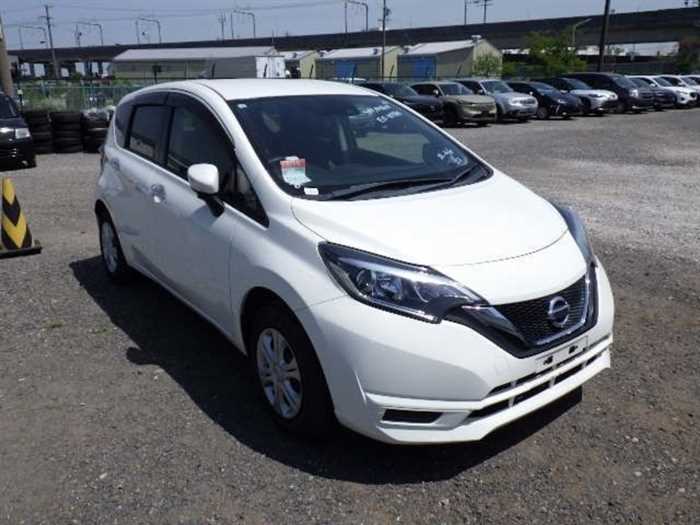
As an experienced car inspector based in Uganda, I’ve seen various vehicle models and their performances under different conditions. When it comes to the Nissan Note 2018, potential buyers often approach the decision from multiple perspectives. City commuters value fuel efficiency, as they navigate the bustling streets and traffic of Kampala; they need a reliable vehicle that won’t break the bank at the fuel pump. Those planning upcountry travel, perhaps to the picturesque landscapes of the Rwenzori or the vast savannahs, look for a car that can handle rougher terrains without compromising on comfort for long drives. Then there are budget-conscious buyers who prioritize low maintenance costs alongside fuel efficiency, as unforeseen repair expenses can strain finances. Considering these diverse perspectives, several concerns arise. How does the Nissan Note’s fuel economy perform in heavy urban traffic compared to other vehicles? Can it manage the often challenging road conditions encountered on rural journeys? Lastly, what are the long-term maintenance needs and costs associated with this model, and do they align with the expectations of budget-minded drivers?
Answer
Verdict
Suitable with conditions. The Nissan Note 2018 can be a viable option for urban driving in Uganda due to its compact size and decent fuel efficiency, but users should consider local road conditions and traffic challenges.
Fuel Efficiency
The Nissan Note 2018 generally offers a fuel economy ranging from 15 to 20 km per liter (varies by trim and driving conditions). In urban settings like Kampala, where traffic congestion and frequent stops are common, fuel efficiency may lean toward the lower end of this range.
Engine and Performance
The engine size typically ranges from 1.2L to 1.6L. This range provides sufficient power for city driving, but the real-world performance may be impacted by potholes, speed humps, and the overall condition of the roads.
Comfort and Space
The compact design of the Nissan Note makes it easier to navigate through Kampala’s crowded streets. It offers ample cabin space for both passengers and cargo, which is beneficial for everyday urban tasks.
Road Conditions in Uganda
While the Nissan Note performs adequately on paved roads, upcountry journeys may present challenges, especially during the rainy season when unpaved roads may become difficult to traverse. The ground clearance is suitable for urban driving, but caution is advised on rough terrain.
Maintenance and Availability of Parts
Replacement parts and servicing options are widely available in Uganda, which makes vehicle ownership more manageable. Regular maintenance checks are crucial, especially considering the frequent issues caused by potholes and poor road conditions.
Summary
The Nissan Note 2018 is generally suitable for urban driving in Uganda, particularly in urban areas like Kampala, provided users are prepared for variable road conditions and maintain their vehicles appropriately.
FAQs
1. What is the average fuel economy of the Nissan Note 2018?
The average fuel economy ranges from 15 to 20 km per liter, depending on driving conditions and trim.
2. Is the Nissan Note suitable for upcountry driving?
While it can handle some upcountry roads, caution is advised, especially in the rainy season due to possible mud and rough terrain.
3. How does the Nissan Note handle Kampala’s traffic?
Its compact size makes it well-suited for navigating through tight urban spaces and heavy traffic.
4. Are parts readily available in Uganda?
Yes, replacement parts and maintenance services for the Nissan Note are commonly found in Uganda.
5. What should I consider before buying a Nissan Note 2018 in Uganda?
Consider the local road conditions, your expected driving patterns, and ensure to verify vehicle specifications by VIN for accurate details.
The LAND ROVER DISCOVERY 3 2009, produced in 2009, embodies a robust design and advanced features that cater to off-road enthusiasts, making it a notable contender for Uganda’s diverse terrains....
The Land Rover Discovery 3 Manual Diesel 2008 is a robust vehicle well-suited for the varied terrains of Uganda, where off-road driving is often essential. Known for its advanced four-wheel...
The Land Rover Discovery 30-Diesel 2015 is a vehicle designed for both luxury and rugged terrain, making it a popular choice for adventurers in Uganda. With its powerful diesel engine,...
As an experienced car inspector in Uganda, I often encounter potential buyers eager to find a vehicle that meets their unique needs. Uganda’s diverse terrains—from bustling city streets to rugged...
Family owned dealership of new and pre-owned vehicles with several locations across the Uganda. Lowest prices and the best customer service guaranteed.
You're almost there, select at least one more to compare!
We use cookies to ensure that we give you the best experience on our website. If you continue to use this site we will assume that you are happy with it.
You can revoke your consent any time using the Revoke consent button.