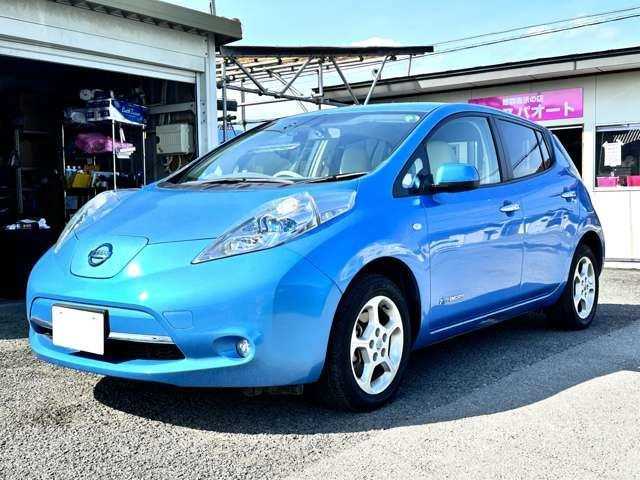
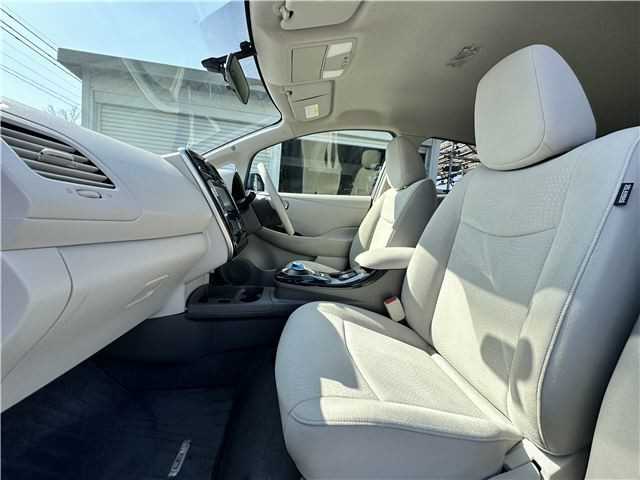
The Nissan Leaf 2012 is an electric vehicle that presents unique considerations for its performance in Uganda’s varied climate. With temperatures that can soar and a mix of urban and rural driving conditions, understanding the suitability of this model requires an evaluation of its battery resilience and range. The Leaf’s reliance on electric energy makes it particularly relevant in a country exploring sustainable transport solutions amidst high fuel costs. Beyond that, the vehicle’s cooling systems and overall energy management are critical in ensuring optimal function in Uganda’s warm environment. As the country continues to develop its infrastructure for electric vehicles, the Leaf’s adaptability to local charging capabilities and its impact on the environment merit careful discussion. Balancing technology with local conditions is essential for gauging its overall effectiveness in Uganda’s diverse landscape.
Understanding the NISSAN LEAF 2012
The Nissan Leaf 2012 is an electric vehicle that has gained attention worldwide. Its design focuses on sustainability, offering an eco-friendly option for urban driving. However, suitability for specific climates, like Uganda’s, remains a concern.
Climate Considerations in Uganda
Uganda experiences a tropical climate with distinct wet and dry seasons. The rainy season brings heavy downpours, while the dry season can be extremely hot. Understanding how the Leaf manages these conditions is essential.
Temperature Resilience
The Leaf typically operates well in a wide range of temperatures. However, extreme heat can affect battery performance. In Uganda, where temperatures can soar, monitor the Leaf’s battery health closely. Parking in shaded areas can mitigate overheating.
Rainy Weather Performance
The Leaf is equipped with good water resistance, which is advantageous during Uganda’s heavy rains. Yet, be cautious on flooded roads. The vehicle’s ground clearance may pose limitations in such conditions.
Charging Infrastructure
Assessing the charging infrastructure is vital for any electric vehicle. In Uganda, charging stations are limited but growing. Home charging may be the most feasible option for Leaf owners.
Home Charging Solutions
Installing a home charger can provide convenience. Solar panels could offset electricity costs, especially in areas with abundant sunlight. It’s beneficial to have a dedicated electrical supply for the Leaf.
Cost of Ownership
The NISSAN LEAF 2012 offers low operational costs compared to traditional vehicles. However, consider the initial purchase price alongside charging solutions and potential repairs.
Maintenance Considerations
Electric vehicles typically require less maintenance than combustion engines. Ensure you have access to qualified technicians for battery care. Check local resources for service options specific to electric vehicles.
Environmental Impact
Driving an electric vehicle like the Leaf significantly reduces carbon emissions. In Uganda, where the conservation of natural resources is vital, this aspect adds value to owning a Leaf.
Supporting Local Initiatives
Owning an electric vehicle aligns with sustainability goals. Consider engaging with local initiatives that promote electric mobility. This can further enhance your contribution to Uganda’s environmental efforts.
Summary
The NISSAN LEAF 2012 can be a suitable option for Uganda’s climate with considerations in place. While the vehicle performs fairly well in hot and rainy conditions, proper planning around charging and maintenance is necessary to maximize its benefits.
FAQs
1. How does the NISSAN LEAF perform in high temperatures?
The Leaf can experience battery performance issues in extreme heat. Ensure proper battery management and parking in shaded areas when possible.
2. Is there enough charging infrastructure in Uganda?
The charging infrastructure is limited but expanding. Home charging solutions are recommended for convenience.
3. What maintenance does the Leaf require?
Electric vehicles need less maintenance, but regular battery checks and software updates are important. Access to qualified technicians is key.
4. Can I use solar panels to charge the Leaf?
Yes, solar panels are an excellent way to charge the Leaf sustainably, especially in sunny regions of Uganda.
5. What are the environmental benefits of owning a Leaf?
Driving a NISSAN LEAF significantly reduces carbon emissions, contributing positively to Uganda’s environmental goals.
The LAND ROVER DISCOVERY 3 2009, produced in 2009, embodies a robust design and advanced features that cater to off-road enthusiasts, making it a notable contender for Uganda’s diverse terrains....
The Land Rover Discovery 3 Manual Diesel 2008 is a robust vehicle well-suited for the varied terrains of Uganda, where off-road driving is often essential. Known for its advanced four-wheel...
The Land Rover Discovery 30-Diesel 2015 is a vehicle designed for both luxury and rugged terrain, making it a popular choice for adventurers in Uganda. With its powerful diesel engine,...
As an experienced car inspector in Uganda, I often encounter potential buyers eager to find a vehicle that meets their unique needs. Uganda’s diverse terrains—from bustling city streets to rugged...
Family owned dealership of new and pre-owned vehicles with several locations across the Uganda. Lowest prices and the best customer service guaranteed.
You're almost there, select at least one more to compare!
We use cookies to ensure that we give you the best experience on our website. If you continue to use this site we will assume that you are happy with it.
You can revoke your consent any time using the Revoke consent button.