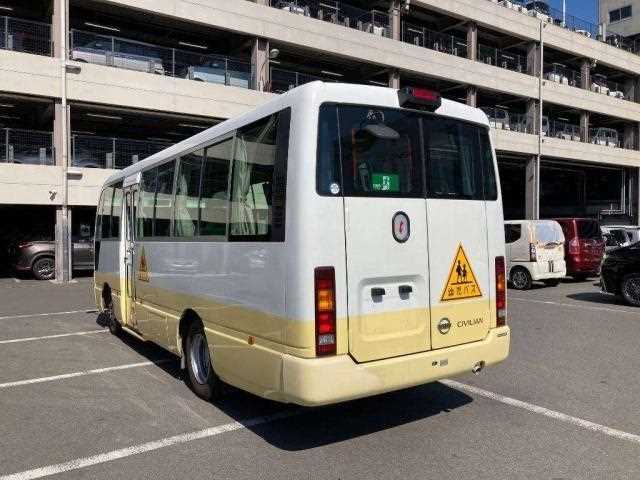
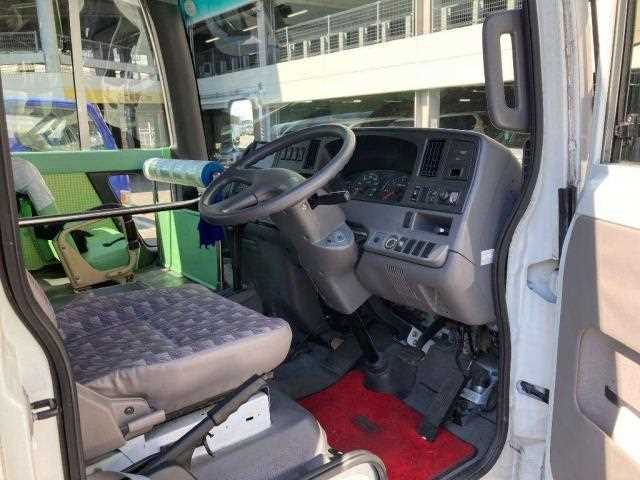
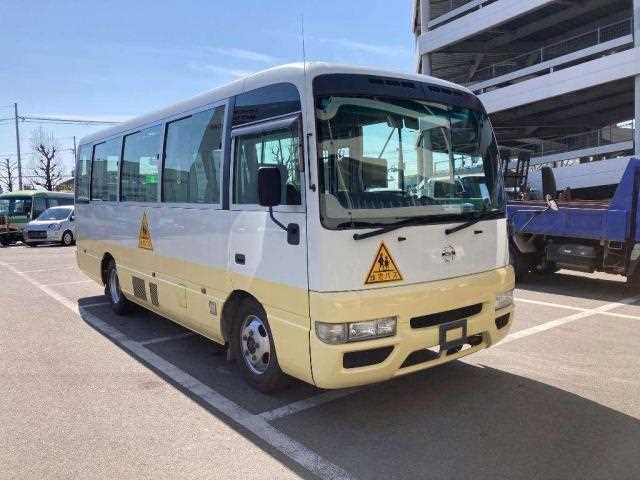
As an experienced car inspector based in Uganda, I have seen a growing interest in the Nissan Civilian Bus 2014 among potential buyers, especially given its potential for public transport. For urban commuters, the bus’s fuel efficiency can directly affect daily operating costs, making it an essential factor for city-based owners. Meanwhile, for those planning to use the bus for upcountry travel, considerations about the vehicle’s ability to handle diverse road conditions and its seating capacity become crucial, especially on longer journeys. Budget-conscious buyers are equally concerned with the initial purchase price as well as ongoing maintenance costs. Is the fuel efficiency of the Nissan Civilian Bus adequate to minimize daily expenses during peak commuting hours? How does it perform on rural roads, particularly in terms of comfort and reliability for long-distance travel? Are the maintenance costs manageable for smaller transport businesses looking to maximize profitability?
Answer
Verdict
Suitable with conditions. The Nissan Civilian Bus 2014 can offer reasonable fuel efficiency for public transport in Uganda, but its performance may vary based on road conditions in urban areas like Kampala and rural upcountry roads. Factors such as potholes, traffic congestion, and rainy seasons should be considered.
Fuel Efficiency
The Nissan Civilian Bus generally achieves a fuel consumption range between 8 to 12 kilometers per liter, depending on the specific trim and operational conditions. The actual efficiency can greatly fluctuate based on passenger load and driving habits.
Engine Performance
The bus is typically equipped with a reliable 4-cylinder engine, providing adequate power for city and highway speeds. Its design is focused on durability and utility, catering to the demands of public transportation.
Road Conditions
In Kampala, traffic congestion can hinder fuel efficiency. Additionally, the presence of numerous speed humps and pothole-ridden roads impacts the vehicle’s overall performance. It’s important to factor in these variances when considering operational costs.
Safety Features
While safety features can vary by trim, many models include essential safety components suited for local conditions. The bus typically enjoys a sturdy build that ensures passenger safety during travel both in urban and rural areas.
Maintenance Considerations
Regular maintenance is crucial for the Nissan Civilian Bus. Given the uneven road conditions in Uganda, frequent inspections can help in avoiding more significant issues that may arise from debris or poor roadways.
Summary
The Nissan Civilian Bus 2014 is a viable option for public transport in Uganda, offering adequate fuel efficiency under the right conditions. It is suitable for urban commuting and can handle rough terrains, but drivers should remain vigilant about maintenance and operational costs affected by local conditions.
FAQs
1. What is the fuel tank capacity of the Nissan Civilian Bus 2014?
The fuel tank capacity typically ranges from 75 to 100 liters, allowing for extended travel in rural areas without frequent refueling.
2. Is the Nissan Civilian Bus comfortable for long-distance travel?
Yes, the bus is designed for passenger comfort, featuring ample seating and space which makes it suitable for long journeys, especially with a less congested passenger load.
3. How does the bus handle during the rainy season?
The vehicle is built to navigate wet roads, but caution is advisable due to potential flooding and slippery conditions on unpaved routes.
4. Can the fuel efficiency improve with regular maintenance?
Yes, keeping the bus well-maintained can lead to improved fuel efficiency and performance, especially if the engine and tires are regularly serviced.
5. What should I consider when buying a used Nissan Civilian Bus 2014?
Check the vehicle’s history, maintenance records, and current condition. It’s wise to verify specifics using the VIN to ensure you are aware of any previous issues or modifications.
The LAND ROVER DISCOVERY 3 2009, produced in 2009, embodies a robust design and advanced features that cater to off-road enthusiasts, making it a notable contender for Uganda’s diverse terrains....
The Land Rover Discovery 3 Manual Diesel 2008 is a robust vehicle well-suited for the varied terrains of Uganda, where off-road driving is often essential. Known for its advanced four-wheel...
The Land Rover Discovery 30-Diesel 2015 is a vehicle designed for both luxury and rugged terrain, making it a popular choice for adventurers in Uganda. With its powerful diesel engine,...
As an experienced car inspector in Uganda, I often encounter potential buyers eager to find a vehicle that meets their unique needs. Uganda’s diverse terrains—from bustling city streets to rugged...
Family owned dealership of new and pre-owned vehicles with several locations across the Uganda. Lowest prices and the best customer service guaranteed.
You're almost there, select at least one more to compare!
We use cookies to ensure that we give you the best experience on our website. If you continue to use this site we will assume that you are happy with it.
You can revoke your consent any time using the Revoke consent button.