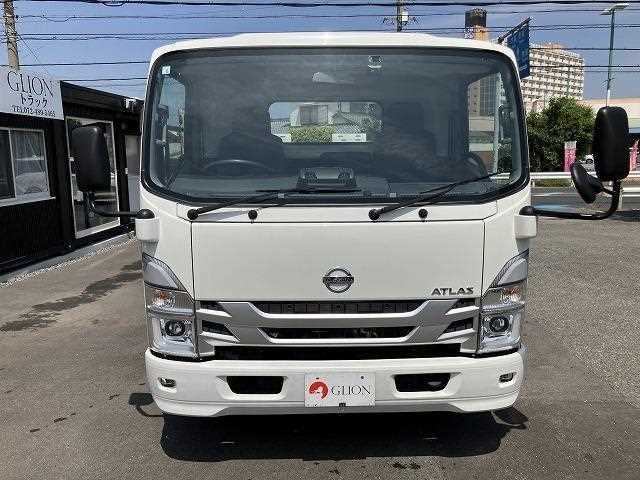
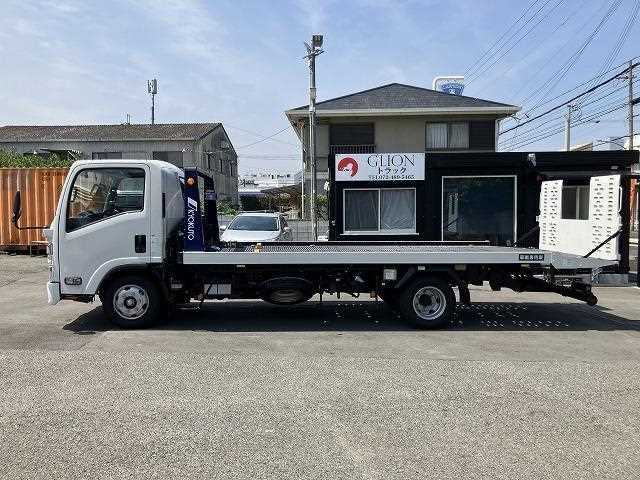
The 2021 Nissan Atlas is increasingly being recognized for its performance and efficiency, particularly in the context of Uganda’s diverse terrains and long-distance driving needs. Customized for both urban and rural applications, this robust vehicle combines a powerful engine with engineering designed to optimize fuel consumption. With Uganda’s unique driving conditions, including its varying road quality and climatic challenges, the Atlas’s fuel efficiency becomes a significant factor for many drivers and businesses. Its design ensures that it meets the demands of commercial use, making it an attractive option for transport and logistics sectors. Also, the Atlas’s reputation for reliability complements its economic advantages, positioning it as a pragmatic choice for Ugandan drivers seeking endurance and performance on extensive routes. Evaluating its fuel efficiency within the specific context of long-distance travel in Uganda reveals critical insights for potential users.
Understanding the NISSAN ATLAS 2021
The NISSAN ATLAS 2021 is designed with various businesses in mind, especially in regions like Uganda where transport needs often vary. Known for its reliability, it’s a popular choice among fleet operators and those in the logistics sector.
Fuel Efficiency Features
Engine Performance
The ATLAS 2021 comes equipped with a robust engine that balances power and fuel economy. Users often report efficient fuel consumption rates, which can be a significant advantage when covering long distances within the country.
Weight and Load Capacity
Weight plays a key role in fuel efficiency. The ATLAS is engineered to manage heavy loads without sacrificing performance, making it ideal for transporting goods across Uganda’s varied terrains.
Driving Conditions in Uganda
Rural Roads and Traffic
While urban settings in Uganda can be congested, rural roads often demand a vehicle that can handle rough terrain. The ATLAS is built for versatility, allowing it to cope with both scenarios efficiently.
Fuel Availability
One consideration in Uganda is access to fuel. The ATLAS 2021’s good mileage means you can go further between refuels, which is useful in regions where filling stations may be sparse.
Practical Usage Scenarios
Business Logistics
For businesses involved in logistics, the ATLAS offers a balanced approach to transporting goods reliably while keeping fuel costs manageable. This is particularly important for businesses that need to maintain profitability.
Public Transportation
Some operators utilize the ATLAS for public transport. Its fuel efficiency can help reduce operational costs while providing a comfortable ride for passengers on various routes across the country.
Customer Feedback
Long-Distance Drivers’ Experiences
Many long-distance drivers praise the ATLAS for its consistency and fuel efficiency. Initial reports suggest less frequent stops for fuel, leading to improved delivery times and overall satisfaction.
Maintenance and Running Costs
Regular maintenance is crucial for optimizing fuel efficiency. Users who follow maintenance schedules often notice a significant improvement in the vehicle’s performance over long distances.
Summary
The NISSAN ATLAS 2021 shows several advantages for long-distance driving in Uganda. Its efficient fuel consumption, coupled with its adaptability to various road conditions, makes it a suitable option for businesses involved in logistics and transportation. Encouraging maintenance and considering the vehicle’s load capacity can enhance overall performance.
FAQs
1. What is the fuel consumption rate of the NISSAN ATLAS 2021?
The fuel consumption rate varies but is generally reported around 10-12 km/l based on driving conditions and load.
2. Is the NISSAN ATLAS suitable for off-road driving?
Yes, the ATLAS is designed to handle Uganda’s rugged terrain, making it a reliable choice for off-road driving.
3. How often should I service the NISSAN ATLAS for optimal fuel efficiency?
Regular servicing every 5,000 kilometers is recommended to ensure optimal fuel efficiency and vehicle performance.
4. Are spare parts easily available for the NISSAN ATLAS in Uganda?
Yes, spare parts for the ATLAS are generally available in Uganda, ensuring ease of maintenance and repairs.
5. Can the NISSAN ATLAS be used for passenger transport?
Absolutely, many operators use the ATLAS for passenger transport and find it provides a comfortable and fuel-efficient ride.
The LAND ROVER DISCOVERY 3 2009, produced in 2009, embodies a robust design and advanced features that cater to off-road enthusiasts, making it a notable contender for Uganda’s diverse terrains....
The Land Rover Discovery 3 Manual Diesel 2008 is a robust vehicle well-suited for the varied terrains of Uganda, where off-road driving is often essential. Known for its advanced four-wheel...
The Land Rover Discovery 30-Diesel 2015 is a vehicle designed for both luxury and rugged terrain, making it a popular choice for adventurers in Uganda. With its powerful diesel engine,...
As an experienced car inspector in Uganda, I often encounter potential buyers eager to find a vehicle that meets their unique needs. Uganda’s diverse terrains—from bustling city streets to rugged...
Family owned dealership of new and pre-owned vehicles with several locations across the Uganda. Lowest prices and the best customer service guaranteed.
You're almost there, select at least one more to compare!
We use cookies to ensure that we give you the best experience on our website. If you continue to use this site we will assume that you are happy with it.
You can revoke your consent any time using the Revoke consent button.