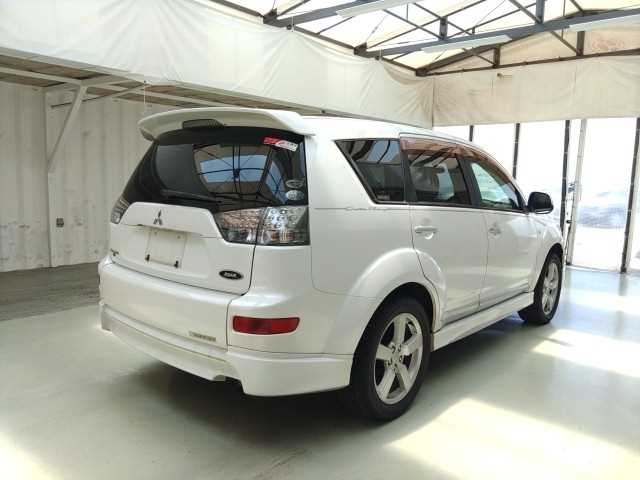
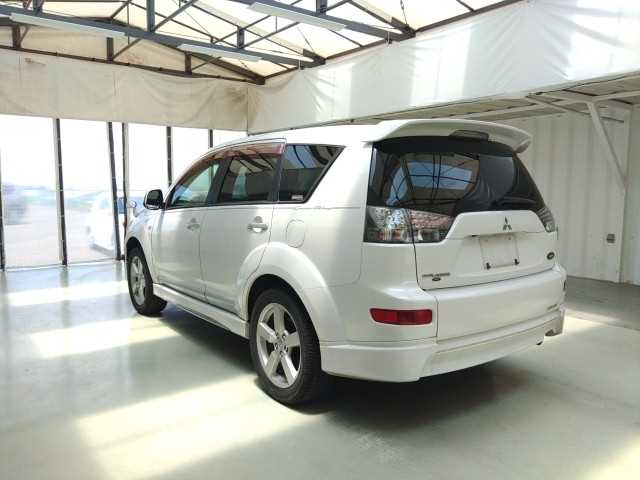
The Mitsubishi Outlander 2006, a compact SUV, has garnered attention for its versatility and performance, particularly in varied terrains like those found in Uganda. With its robust build and all-wheel-drive capabilities, it is well-suited for the country’s diverse road conditions, ranging from urban environments to rural landscapes. Fuel efficiency is a crucial factor for many Ugandan drivers, especially considering the rising fuel costs and the importance of sustainability. The Outlander’s engineering provides a balance between power and consumption, making it a practical option for those who navigate both city and off-road settings. Understanding its fuel economy in relation to Uganda’s specific road conditions is essential for potential buyers seeking reliability and long-term value. The vehicle’s design and technology may offer advantages that can enhance fuel efficiency, making it a noteworthy consideration for Ugandan motorists.
Introduction
The 2006 Mitsubishi Outlander has been a popular choice among Ugandan drivers looking for a reliable SUV. One of the key factors for many is fuel efficiency, especially given the driving conditions in Uganda. Let’s explore how this vehicle performs on fuel economy within the unique context of Ugandan roads.
Fuel Efficiency Overview
The 2006 Mitsubishi Outlander comes equipped with a 2.4-liter four-cylinder engine, which generally offers decent fuel efficiency. On average, it achieves around 20 to 25 miles per gallon (mpg) in city driving and up to 28 mpg on highways. However, real-world performance may vary.
Urban Driving Conditions
In urban settings, traffic congestion can impact fuel consumption. The stop-and-go nature of Kampala’s busy streets often leads to higher fuel usage, which means that the Outlander might not always reach its optimal mpg in these conditions.
Rural and Off-Road Performance
Many Ugandan drivers also venture into off-road terrains. The Outlander handles well on rough tracks, but off-roading generally consumes more fuel. For those planning road trips towards national parks, values may decrease as the driving demands change.
Factors Affecting Fuel Efficiency
Maintenance
Regular maintenance can significantly impact fuel efficiency. Ensuring that the engine is in optimal condition, tires are properly inflated, and filters are clean ensures better fuel consumption.
Driving Habits
Gentle acceleration and smooth braking can enhance fuel efficiency. Sudden stops and rapid accelerations are common in city driving and can lead to higher fuel usage.
Loading and Weight
Carrying excess weight can strain the engine, reducing fuel efficiency. For families or those who transport goods, it’s important to consider how added weight affects consumption.
Suitability for Ugandan Roads
The Outlander is designed for versatile road conditions. Its all-wheel-drive feature is beneficial for navigating Uganda’s varied landscapes, though the trade-off can be higher fuel consumption compared to two-wheel-drive vehicles.
Cost of Fuel in Uganda
With fluctuating fuel prices in Uganda, being aware of the Outlander’s fuel efficiency can help manage monthly expenses. With the current prices, understanding the mpg can aid in budgeting for fuel, especially for long trips.
Summary
The 2006 Mitsubishi Outlander can be a practical option for Ugandan drivers, especially those who balance city driving with off-road adventures. While its fuel efficiency is reasonable, actual performance can vary based on driving conditions, maintenance, and behavior.
FAQs
1. What is the fuel tank capacity of the 2006 Mitsubishi Outlander?
The fuel tank capacity is approximately 15.8 gallons.
2. Is the Outlander reliable for long-distance travel in Uganda?
Yes, it’s generally reliable for long trips, especially if well-maintained.
3. How does the Outlander perform on highways compared to city roads?
It performs better on highways, often achieving higher mpg due to fewer stops.
4. What can I do to improve the Outlander’s fuel efficiency?
Regular maintenance, proper tire inflation, and smooth driving habits can help improve efficiency.
5. Are there any common issues with the 2006 Mitsubishi Outlander?
Some owners report issues with the suspension and transmission, which can affect performance, hence regular check-ups are recommended.
The LAND ROVER DISCOVERY 3 2009, produced in 2009, embodies a robust design and advanced features that cater to off-road enthusiasts, making it a notable contender for Uganda’s diverse terrains....
The Land Rover Discovery 3 Manual Diesel 2008 is a robust vehicle well-suited for the varied terrains of Uganda, where off-road driving is often essential. Known for its advanced four-wheel...
The Land Rover Discovery 30-Diesel 2015 is a vehicle designed for both luxury and rugged terrain, making it a popular choice for adventurers in Uganda. With its powerful diesel engine,...
As an experienced car inspector in Uganda, I often encounter potential buyers eager to find a vehicle that meets their unique needs. Uganda’s diverse terrains—from bustling city streets to rugged...
Family owned dealership of new and pre-owned vehicles with several locations across the Uganda. Lowest prices and the best customer service guaranteed.
You're almost there, select at least one more to compare!
We use cookies to ensure that we give you the best experience on our website. If you continue to use this site we will assume that you are happy with it.
You can revoke your consent any time using the Revoke consent button.