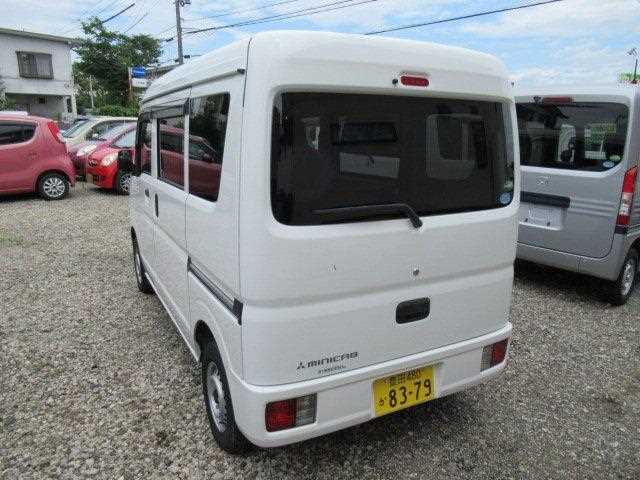
As an experienced car inspector in Uganda, I’ve seen firsthand the diverse needs of vehicle buyers in our vibrant marketplace. When considering a vehicle like the 2016 Mitsubishi Minicab Van, there are a few key perspectives that potential buyers often weigh. City commuters prioritize fuel efficiency and maneuverability, as navigating urban traffic can be quite challenging. Those planning to travel upcountry need reliable performance on rougher roads, particularly when transporting goods or family. Budget-conscious buyers are also focused on maintenance costs, as keeping a vehicle in good condition without breaking the bank is essential for many. As you explore the Minicab Van, you might wonder about its fuel consumption in relation to the stop-and-go city traffic. How does it fare on long-distance trips, especially over poorly maintained rural roads? Are the maintenance requirements and associated costs manageable for someone on a tight budget? These considerations are critical in making an informed decision about this vehicle’s suitability for Ugandan conditions.
Answer
Verdict
Suitable with conditions. The MITSUBISHI MINICAB VAN 2016 is beneficial for Uganda’s varying road conditions, especially in urban areas like Kampala; however, considerations regarding its fuel efficiency under challenging circumstances are essential.
Introduction
The MITSUBISHI MINICAB VAN 2016 is designed for versatility and practicality, catering to both commercial and personal needs.
Fuel Efficiency Factors
Given the complexities of Uganda’s transport infrastructure, its fuel efficiency is subject to various considerations.
Kampala Traffic
In the bustling streets of Kampala, stop-and-go traffic can impact the fuel economy negatively. Expect a range of 10-15 km per liter under these conditions.
Speed Humps
Frequent speed humps require frequent acceleration and deceleration, further diminishing fuel efficiency. The MINICAB’s engine operates optimally under consistent speed.
Potholes and Rough Roads
Uganda’s poorly maintained roads can exacerbate fuel consumption. Traveling on these roads may yield lower efficiency, between 8-12 km per liter, depending on the driving style and load.
Rainy Season
The rainy season leads to slippery roads and potential detours, which can affect acceleration and fuel efficiency. Maintaining a cautious driving style helps retain fuel economy.
Upcountry Roads
When driving upcountry, especially on long stretches of unpaved routes, the MINICAB may range from 10-14 km per liter, impacted by terrain and load.
Summary
While the MITSUBISHI MINICAB VAN 2016 offers practicality and usability, its fuel efficiency varies significantly depending on the driving environment and conditions. Optimal speeds, careful driving, and route selection can help enhance fuel economy in Uganda.
FAQs
What is the average fuel consumption of the MITSUBISHI MINICAB VAN 2016?
Average fuel consumption ranges from 8 to 15 km per liter, depending on driving conditions.
Can the MITSUBISHI MINICAB VAN handle rough roads?
Yes, the MINICAB is designed for versatility, but performance may vary based on road conditions.
Does the fuel efficiency change with load?
Yes, carrying heavier loads typically reduces fuel efficiency, especially on poor roads.
Is it suitable for long-distance travel in Uganda?
It is suitable for long-distance travel but expect variations in fuel economy based on road conditions and traffic.
Where can I verify the specific fuel efficiency for my vehicle?
You can verify specific fuel efficiency by checking your VIN against manufacturer specifications or contacting an authorized dealer.
The LAND ROVER DISCOVERY 3 2009, produced in 2009, embodies a robust design and advanced features that cater to off-road enthusiasts, making it a notable contender for Uganda’s diverse terrains....
The Land Rover Discovery 3 Manual Diesel 2008 is a robust vehicle well-suited for the varied terrains of Uganda, where off-road driving is often essential. Known for its advanced four-wheel...
The Land Rover Discovery 30-Diesel 2015 is a vehicle designed for both luxury and rugged terrain, making it a popular choice for adventurers in Uganda. With its powerful diesel engine,...
As an experienced car inspector in Uganda, I often encounter potential buyers eager to find a vehicle that meets their unique needs. Uganda’s diverse terrains—from bustling city streets to rugged...
Family owned dealership of new and pre-owned vehicles with several locations across the Uganda. Lowest prices and the best customer service guaranteed.
You're almost there, select at least one more to compare!
We use cookies to ensure that we give you the best experience on our website. If you continue to use this site we will assume that you are happy with it.
You can revoke your consent any time using the Revoke consent button.