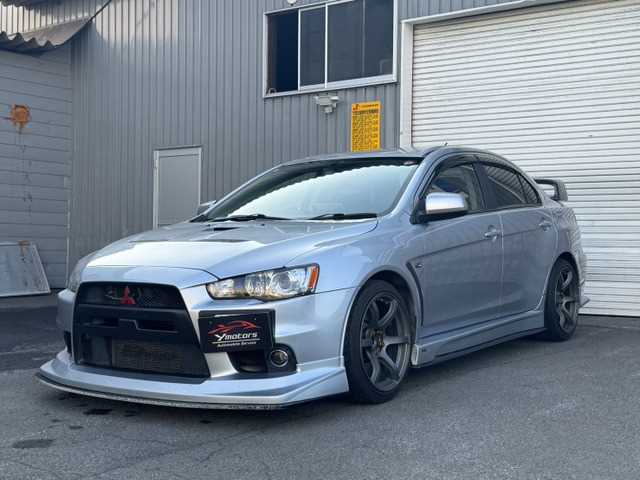
As an experienced car inspector in Uganda, I’ve seen a range of vehicles navigate our unique road conditions. The Mitsubishi Lancer Evolution 2008 is a machine celebrated for its performance, but how does it truly fare for different drivers here? For city commuters, the compact design may seem appealing, yet concerns about fuel efficiency and maintenance costs arise amidst congested traffic. On the other hand, those travelling upcountry often question whether this vehicle can handle the rugged terrains and poorly maintained roads that define many rural routes. Additionally, budget-conscious buyers are particularly keen on understanding the long-term maintenance implications; how easily can parts be sourced, and what are the expected repair costs? As we explore this vehicle’s suitability, we must consider whether it’s agile enough for city use while still robust enough for upcountry adventures. Will its performance justify the potential expenditures, or is there a risk that upkeep might outweigh the benefits? Finally, can the Lancer Evolution provide a reliable driving experience without breaking the bank?
Answer
Verdict
Not ideal. While the Mitsubishi Lancer Evolution 2008 offers impressive performance, it is not well-suited for Uganda’s challenging road conditions, including potholes, speed humps, and uneven surfaces common in upcountry regions.
Performance and Fuel Efficiency
The Mitsubishi Lancer Evolution 2008 typically achieves between 8 to 12 km per liter, depending on driving conditions and style. This range can vary significantly by trim level, so verifying through the VIN is recommended.
Handling and Comfort
Although the Lancer Evolution excels in handling and acceleration, its low ground clearance may pose a challenge on rough terrain and in areas with heavy rain, where puddles and mud can create hazardous driving conditions. Additionally, the stiff suspension designed for performance can lead to discomfort on bumpy roads.
Durability and Maintenance
The vehicle’s components are tuned for speed and agility, making them more prone to wear and tear on Uganda’s uneven surfaces. Regular maintenance is essential, and sourcing parts locally might be a challenge.
Driving Conditions
Uganda’s traffic, especially in cities like Kampala, can be congested, necessitating a vehicle that can handle stop-and-go conditions. The Lancer Evolution may not be the best fit for frequent short trips or navigating through heavy traffic due to its performance-oriented design.
Weather Considerations
The rainy season exacerbates road conditions, and while the vehicle may perform well in dry conditions, it can become less stable on wet, slick roads. All-wheel drive helps, but the torque and traction might not compensate for sudden stops in poor weather.
Local Compatibility
The Lancer Evolution’s specific fuel requirements might not align with local supplies, leading to potential performance issues. It is advisable to use high-quality fuel to maintain optimal performance.
Summary
The Mitsubishi Lancer Evolution 2008, while stylish and performance-driven, is not ideal for Ugandan road conditions. Its low clearance, performance-oriented build, and maintenance needs may hinder its usability outside of urban areas.
FAQs
1. How does the Lancer Evolution handle potholes?
The vehicle’s low ground clearance and stiff suspension may make it susceptible to damage from potholes, leading to costly repairs.
2. Can the Lancer Evolution perform well in rainy conditions?
While it has all-wheel drive, the performance may be compromised during heavy rain and on wet roads due to its sporty design.
3. What is the average fuel consumption of the Lancer Evolution?
The Lancer Evolution generally averages between 8 to 12 km per liter, but this can vary widely based on driving habits and trim.
4. Is maintenance for the Lancer Evolution easy in Uganda?
Sourcing parts and qualified service for high-performance vehicles can be challenging, possibly leading to higher costs.
5. What are the road safety considerations for this model in Uganda?
Considering the vehicle’s performance capabilities and low clearance, drivers should exercise caution on poor roads and adhere to speed limits, especially in urban areas.
The LAND ROVER DISCOVERY 3 2009, produced in 2009, embodies a robust design and advanced features that cater to off-road enthusiasts, making it a notable contender for Uganda’s diverse terrains....
The Land Rover Discovery 3 Manual Diesel 2008 is a robust vehicle well-suited for the varied terrains of Uganda, where off-road driving is often essential. Known for its advanced four-wheel...
The Land Rover Discovery 30-Diesel 2015 is a vehicle designed for both luxury and rugged terrain, making it a popular choice for adventurers in Uganda. With its powerful diesel engine,...
The 2009 Land Rover Discovery 4 Automatic Diesel stands out for its robust engineering and off-road capabilities, making it a potential fit for Uganda’s diverse terrain. With a powerful diesel...
Family owned dealership of new and pre-owned vehicles with several locations across the Uganda. Lowest prices and the best customer service guaranteed.
You're almost there, select at least one more to compare!
We use cookies to ensure that we give you the best experience on our website. If you continue to use this site we will assume that you are happy with it.
You can revoke your consent any time using the Revoke consent button.