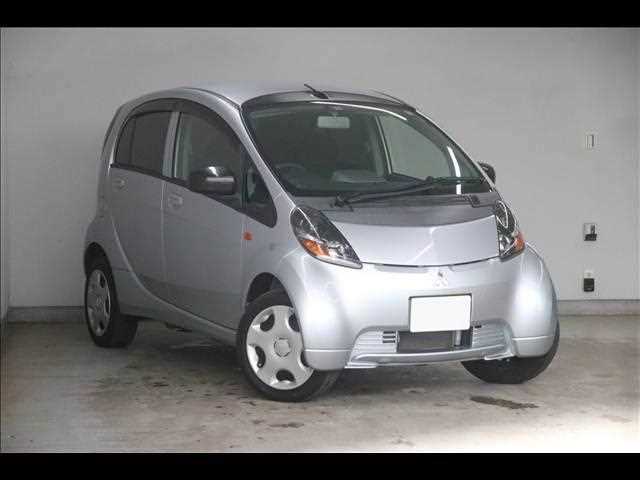
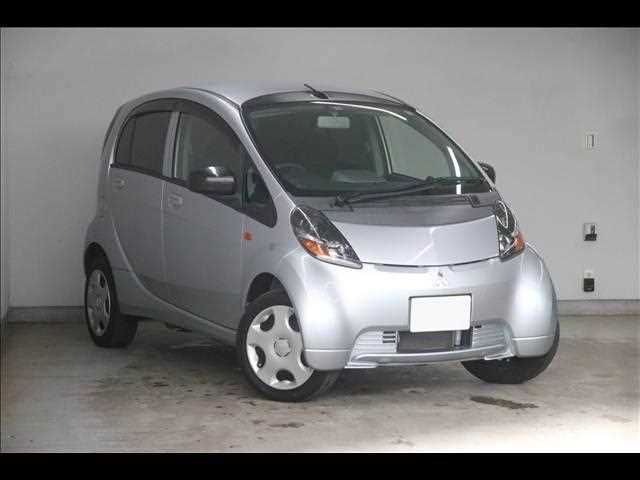
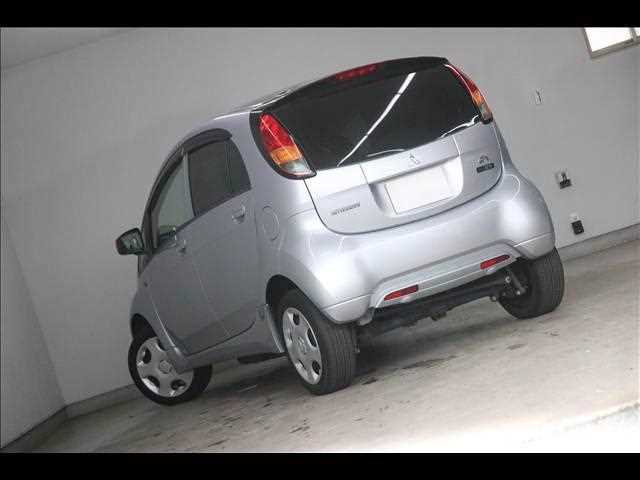
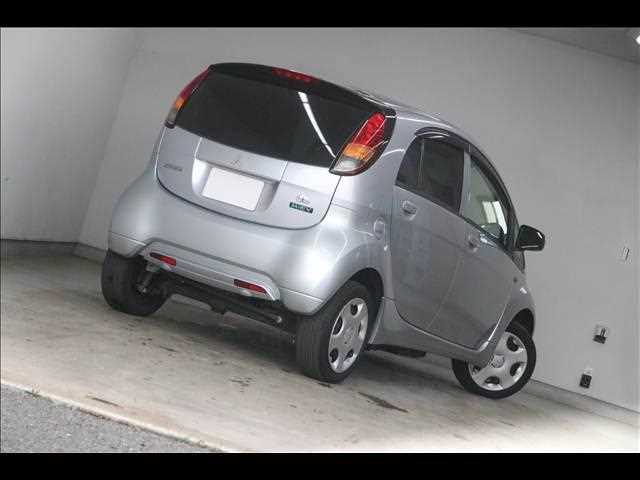
As an experienced car inspector based in Uganda, it’s crucial to discuss the reliability of electric vehicles like the 2012 Mitsubishi i-MiEV, especially considering the unique demands of our environment. For city commuters navigating congested roads, the i-MiEV offers the advantage of lower operating costs and reduced emissions, but how does its battery performance hold up in the face of frequent stops and starts? Upcountry travelers, on the other hand, might be concerned about the vehicle’s range and whether it can handle rough terrain and longer distances without frequent charging. Beyond that, budget-conscious buyers may wonder about the initial investment versus ongoing maintenance costs—can the savings on fuel offset potential expenses related to battery replacement or repairs? These perspectives raise important questions: How does the i-MiEV’s battery life perform in Uganda’s varied climate? Is charging infrastructure sufficient, especially in rural areas? And, considering the limited knowledge and service options for electric vehicles here, will maintenance be straightforward or complicated? These factors play a significant role in determining the practicality of the i-MiEV for Ugandan buyers.
Answer
Verdict
Suitable with conditions. The MITSUBISHI I-MIEV 2012 can be a practical choice for urban commuting in Kampala, but its performance may be hindered by road conditions, particularly during the rainy season.
Performance in Ugandan Conditions
The I-MIEV has a compact design that eases navigation through Kampala’s notorious traffic. However, potholes and speed humps pose challenges that could affect durability and driving comfort.
Efficiency
This electric vehicle typically achieves an efficiency of approximately 5 to 6 km per kilowatt-hour, translating to about 100 to 140 km on a full charge under optimal conditions. The range may vary depending on driving style, terrain, and load.
Charging Infrastructure
Charging options in Uganda are limited but gradually increasing. Users can charge at home using a standard outlet, which may take longer but provides a convenient solution, mainly for those who drive locally. Public charging stations are limited, so planning ahead is essential.
Driving Experience
In areas with well-maintained roads, the I-MIEV performs adequately. However, the experience can be less enjoyable on unpaved upcountry roads, where ground clearance could prove inadequate.
Maintenance Needs
Maintenance costs for electric vehicles tend to be lower than those for traditional fuel cars due to fewer moving parts. However, specialized service facilities for electric vehicles may be scarce, affecting long-term reliability and service availability.
Summary
The MITSUBISHI I-MIEV 2012 is a suitable option for those primarily driving in urban settings like Kampala. Its efficiency is advantageous, but buyers should consider the challenges posed by local road conditions, limited charging infrastructure, and maintenance availability.
FAQs
1. What is the charging time for the I-MIEV?
The I-MIEV takes approximately 6 to 8 hours to fully charge using a standard household outlet.
2. What is the estimated range of the I-MIEV on a full charge?
On a full charge, the I-MIEV can travel about 100 to 140 km, depending on driving conditions and habits.
3. How does the I-MIEV handle potholes and speed humps?
The I-MIEV may struggle with potholes and speed humps due to its low ground clearance, so caution is advisable in such conditions.
4. Are there enough charging stations in Uganda for the I-MIEV?
Charging stations are still limited in Uganda. It’s important to plan your routes and charging needs carefully.
5. Is the I-MIEV suitable for off-road driving?
No, the I-MIEV is not designed for off-road driving. It is best suited for urban and paved road conditions.
The Land Rover Discovery 3 Manual Diesel 2008 is a robust vehicle well-suited for the varied terrains of Uganda, where off-road driving is often essential. Known for its advanced four-wheel...
The LAND ROVER DISCOVERY 3 2009, produced in 2009, embodies a robust design and advanced features that cater to off-road enthusiasts, making it a notable contender for Uganda’s diverse terrains....
The Land Rover Discovery 30-Diesel 2015 is a vehicle designed for both luxury and rugged terrain, making it a popular choice for adventurers in Uganda. With its powerful diesel engine,...
As an experienced car inspector in Uganda, I often encounter potential buyers eager to find a vehicle that meets their unique needs. Uganda’s diverse terrains—from bustling city streets to rugged...
Family owned dealership of new and pre-owned vehicles with several locations across the Uganda. Lowest prices and the best customer service guaranteed.
You're almost there, select at least one more to compare!
We use cookies to ensure that we give you the best experience on our website. If you continue to use this site we will assume that you are happy with it.
You can revoke your consent any time using the Revoke consent button.