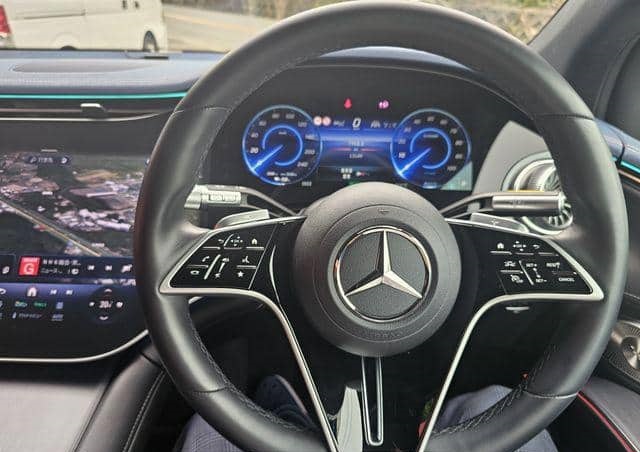
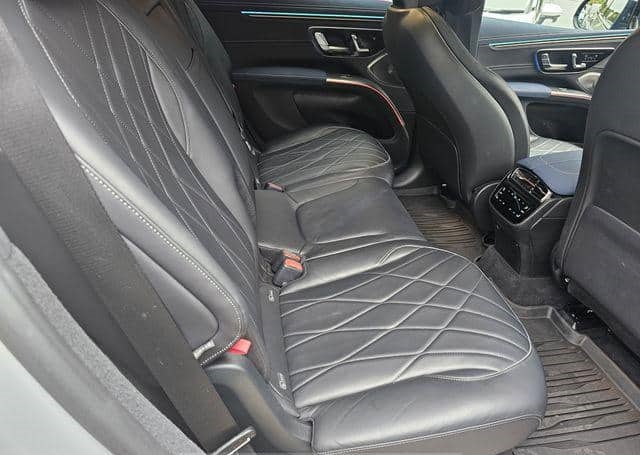
As an experienced car inspector in Uganda, I’ve seen firsthand how crucial it is to choose a vehicle that aligns with the diverse needs of our roads and driving environments. For urban commuters in cities like Kampala, efficiency and compactness often take precedence as they navigate traffic and limited parking. However, those traveling upcountry require vehicles that can handle rough terrains and unpredictable weather, making durability and off-road capability paramount. Budget-conscious buyers might prioritize affordability in purchase price and maintenance costs, questioning whether a luxury vehicle like the Mercedes-Benz EQS can truly fit their financial plans. For prospective buyers, a few pressing concerns emerge: How well does the EQS perform on potholed roads, given its luxury sedan nature? What are the long-term maintenance costs, especially in a market where parts and service availability can vary? Finally, can the battery range accommodate longer journeys of upcountry travel without frequent charging options? Understanding these factors is essential for any buyer considering this high-end vehicle in our unique driving landscape.
Answer
Verdict
Suitable with conditions. While the MERCEDES-BENZ EQS 2025 offers advanced technology and comfort, its performance can be hindered by Kampala’s heavy traffic, potholes, and varying upcountry road conditions.
Performance in Uganda’s Roads
The EQS is designed for luxury and performance, yet road conditions in Uganda, particularly in urban areas such as Kampala, can be challenging. The vehicle’s low ground clearance may struggle with potholes and speed humps prevalent in the city.
Fuel Efficiency
The EQS has an electric range that typically varies by trim but generally offers an efficiency of about 15 to 20 km per kWh. It’s crucial to verify specific mileage by using the VIN, as it can differ.
Handling Rainy Seasons
During the rainy season, the EQS may face difficulties with traction and road grip due to its low profile and weight distribution. Caution is advised when driving on slippery roads, and it may require more careful navigation around flooded areas.
Upcountry Driving
While the EQS is equipped for comfort, upcountry roads can be unpredictable with unpaved routes and uneven terrain. This can limit the vehicle’s practicality outside urban environments.
Summary
The MERCEDES-BENZ EQS 2025 can be suitable for Ugandan readers; however, it is vital to assess individual needs, considering urban traffic, potholes, and rainy conditions. There’s also a necessity for proper charging infrastructure and maintenance support in the area.
FAQs
1. What is the battery range of the MERCEDES-BENZ EQS 2025?
The battery range typically varies by trim but generally offers around 700 km per full charge under optimal conditions.
2. Can the EQS handle potholes commonly found in Ugandan roads?
While it can navigate minor potholes, the low ground clearance may cause issues with larger and deeper potholes.
3. Is there adequate charging infrastructure for electric vehicles in Kampala?
Charging infrastructure is gradually improving, but it may not be as widespread as conventional fuel stations. It’s advisable to check local facilities.
4. how does the EQS perform in rainy conditions?
The EQS can be less stable in heavy rain due to low clearance, requiring careful handling on slippery roads.
5. What should I consider when taking the EQS on upcountry roads?
Be aware of the unpaved and uneven conditions, which can compromise the vehicle’s performance. Consider alternative vehicles for rugged terrains.
The LAND ROVER DISCOVERY 3 2009, produced in 2009, embodies a robust design and advanced features that cater to off-road enthusiasts, making it a notable contender for Uganda’s diverse terrains....
The Land Rover Discovery 3 Manual Diesel 2008 is a robust vehicle well-suited for the varied terrains of Uganda, where off-road driving is often essential. Known for its advanced four-wheel...
The Land Rover Discovery 30-Diesel 2015 is a vehicle designed for both luxury and rugged terrain, making it a popular choice for adventurers in Uganda. With its powerful diesel engine,...
As an experienced car inspector in Uganda, I often encounter potential buyers eager to find a vehicle that meets their unique needs. Uganda’s diverse terrains—from bustling city streets to rugged...
Family owned dealership of new and pre-owned vehicles with several locations across the Uganda. Lowest prices and the best customer service guaranteed.
You're almost there, select at least one more to compare!
We use cookies to ensure that we give you the best experience on our website. If you continue to use this site we will assume that you are happy with it.
You can revoke your consent any time using the Revoke consent button.