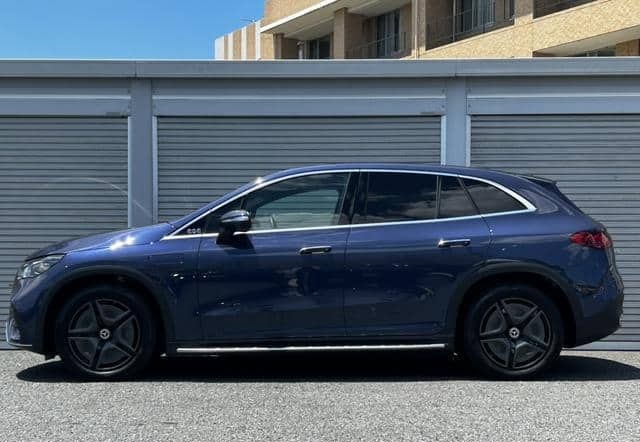
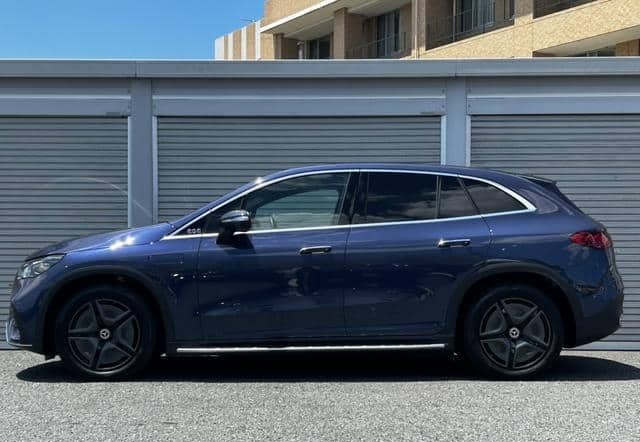
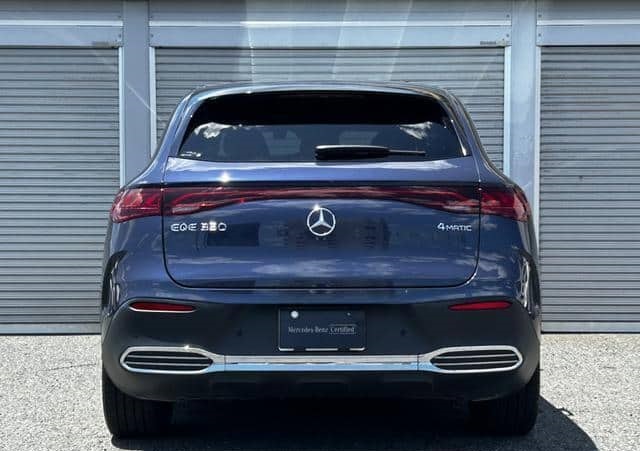
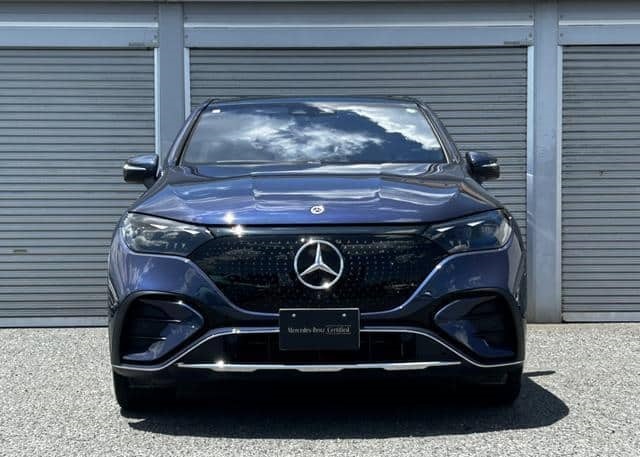
As an experienced car inspector in Uganda, it’s essential to evaluate vehicles not just for their features but also in the context of our unique driving conditions. For city commuters in Kampala, the comfort and technology of the Mercedes-Benz EQE 2024 might seem appealing, but can it withstand the challenges posed by bumpy roads and erratic traffic? Upcountry travelers, often navigating challenging terrains, may wonder about the vehicle’s performance on unpaved roads and in adverse weather conditions. Also, with the growing emphasis on budget and maintenance, potential buyers need to consider not just the initial cost of this luxury electric vehicle but also its long-term servicing requirements and the availability of parts in Uganda. Is the EQE’s battery capacity sufficient for long-distance travel without frequent charging interruptions? Will the investment in such a high-end vehicle be justified by its durability and reliability in our specific environment? Finally, how does the EQE handle fuel efficiency versus its electric reliance in our infrastructure? These questions are critical in determining whether this vehicle is a suitable choice for Ugandan roads.
Answer
Verdict
Suitable with conditions. The MERCEDES-BENZ EQE 2024 offers advanced features and efficiency, but its performance may be compromised by Uganda’s challenging road conditions, including congested traffic, potholes, and varied terrain.
Performance and Efficiency
The EQE 2024 is designed to provide an estimated range of 400 to 600 kilometers per charge, depending on the trim and driving conditions. In Kampala, where traffic congestion can alter efficiency, expect a reasonable km per liter figure compared to other vehicles in its class. However, this may vary significantly when driving on upcountry roads.
Road Conditions
Kampala’s traffic can slow down the EQE’s electric performance; thus, drivers should consider the impact of constant stop-and-go conditions on battery consumption. Additionally, speed humps and potholes prevalent in certain areas could affect ride quality and vehicle stability.
Weather Considerations
The rainy season in Uganda often leads to poor road conditions with potential waterlogging. The EQE, being an electric vehicle, should still navigate these challenges, although it may not excel like a high-clearance vehicle would in certain muddy areas.
Charging Infrastructure
Charging stations are limited but gradually improving. Home charging is a viable option for many urban drivers. However, ensure that you have reliable access to charging before committing to long journeys, particularly to remote areas.
Maintenance and Repairs
Electric vehicles typically have lower maintenance costs; however, finding specific parts for luxury brands like Mercedes-Benz in Uganda might pose a challenge. Always verify service availability before purchase.
Summary
The MERCEDES-BENZ EQE 2024 can be suitable for Ugandan road conditions if drivers are mindful of its limitations in traffic-heavy areas and the potential challenges posed by the country’s infrastructure. Evaluate local charging options and maintenance support before deciding.
FAQs
1. What is the range of the MERCEDES-BENZ EQE 2024 in Uganda?
The estimated range is between 400 to 600 kilometers, depending on driving conditions and trim.
2. How does the EQE handle Uganda’s potholes and speed humps?
While the EQE is engineered for comfort, its low clearance may make it less ideal for poorly maintained roads with deep potholes.
3. Is electrical charging widely available in Uganda?
Charging infrastructure is limited but improving; home charging is a viable option for many urban residents.
4. How efficient is the EQE in heavy traffic?
Efficiency can vary significantly in congested traffic conditions, affecting the km per liter performance.
5. Can the EQE handle rainy season conditions?
While the EQE can navigate wet conditions, its performance may be limited in areas prone to flooding or extensive muddy roads.
The Land Rover Discovery 3 Manual Diesel 2008 is a robust vehicle well-suited for the varied terrains of Uganda, where off-road driving is often essential. Known for its advanced four-wheel...
The LAND ROVER DISCOVERY 3 2009, produced in 2009, embodies a robust design and advanced features that cater to off-road enthusiasts, making it a notable contender for Uganda’s diverse terrains....
The Land Rover Discovery 30-Diesel 2015 is a vehicle designed for both luxury and rugged terrain, making it a popular choice for adventurers in Uganda. With its powerful diesel engine,...
The 2009 Land Rover Discovery 4 Automatic Diesel stands out for its robust engineering and off-road capabilities, making it a potential fit for Uganda’s diverse terrain. With a powerful diesel...
Family owned dealership of new and pre-owned vehicles with several locations across the Uganda. Lowest prices and the best customer service guaranteed.
You're almost there, select at least one more to compare!
We use cookies to ensure that we give you the best experience on our website. If you continue to use this site we will assume that you are happy with it.
You can revoke your consent any time using the Revoke consent button.