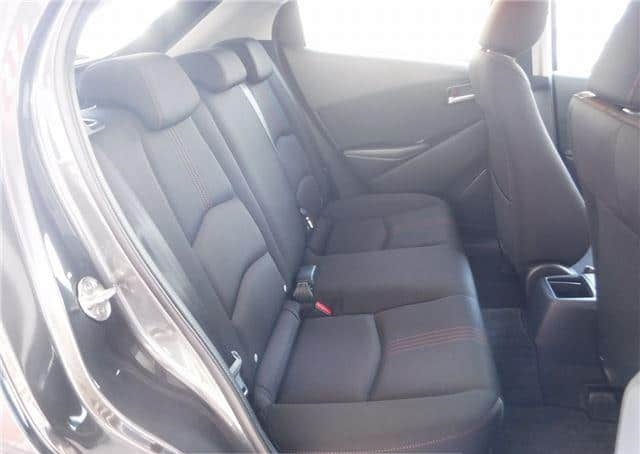
As an experienced car inspector in Uganda, I often encounter questions about vehicle suitability for different driving conditions. The MAZDA2 2025 has captured the attention of many potential buyers, especially those considering its use for city commuting, upcountry travel, and overall budget and maintenance. For individuals who navigate the busy streets of Kampala, fuel efficiency is a top priority, given the stop-and-go nature of city traffic. On the other hand, those planning to venture into rural areas might wonder if the MAZDA2 can handle rougher roads and longer distances without compromising performance. Budget-conscious buyers also weigh in, looking for a reliable vehicle that won’t break the bank in terms of repairs and fuel costs. Can this model provide the optimal balance between fuel efficiency and engine performance in urban settings? How well does it fare on less developed roads when traveling to upcountry destinations? Additionally, are the maintenance costs manageable, especially for a buyer looking to keep expenses in check? These are critical considerations for anyone thinking about investing in this compact car.
Answer
Verdict
The MAZDA2 2025 is suitable for city driving in Uganda due to its efficient fuel consumption and compact design that navigates Kampala traffic well. However, its performance on upcountry roads may be limited due to potholes and uneven terrain.
Fuel Efficiency
The MAZDA2 typically achieves fuel efficiency ranging from 15 to 20 km per liter. This can vary depending on the chosen trim and individual driving habits. Prospective buyers should verify specific fuel economy by checking the vehicle identification number (VIN).
City Driving Performance
In urban settings like Kampala, the MAZDA2 handles traffic with ease thanks to its small size. The vehicle’s responsiveness to stop-and-go driving conditions makes it suitable for navigating through congested areas.
Suspension and Comfort
Although the MAZDA2 is designed for comfort, drivers should be mindful of speed humps, which are prevalent in Kampala. The vehicle’s suspension may not fully absorb larger bumps, making it advisable to approach with caution.
Upcountry Driving Considerations
When traveling on upcountry roads, challenges like potholes and unpaved surfaces can impact performance. While the MAZDA2 can handle minor roughness, serious off-road conditions are not recommended.
Weather Impact
Uganda’s rainy season can lead to slippery roads and increased potholes. The MAZDA2 handles wet conditions reasonably well, but careful driving is paramount in adverse weather to prevent hydroplaning.
Maintenance and Reliability
Regular maintenance is essential for optimal performance. Mazda vehicles are generally known for their reliability, but local service accessibility may vary by region.
Summary
The MAZDA2 2025 is suitable for city driving in Uganda, mainly due to its compact size and efficient fuel consumption. However, drivers should exercise caution when navigating rougher upcountry roads and during adverse weather conditions.
FAQs
1. What is the fuel economy of the MAZDA2 2025?
The MAZDA2 generally achieves between 15 to 20 km per liter, varying by trim and driving patterns.
2. How does the MAZDA2 perform in Kampala traffic?
Its compact size and agility make it well-suited for navigating the often congested streets of Kampala.
3. Is the MAZDA2 reliable for long-distance drives?
While it can handle some long-distance travel, drivers should be cautious of upcountry road conditions and potholes.
4. How does the MAZDA2 handle rainy conditions?
The vehicle performs adequately in wet conditions, but drivers must remain vigilant to prevent slipping on slippery roads.
5. What should I consider for maintenance?
Regular check-ups at authorized service centers are advised to ensure reliability and performance, especially given variable local service availability.
The LAND ROVER DISCOVERY 3 2009, produced in 2009, embodies a robust design and advanced features that cater to off-road enthusiasts, making it a notable contender for Uganda’s diverse terrains....
The Land Rover Discovery 3 Manual Diesel 2008 is a robust vehicle well-suited for the varied terrains of Uganda, where off-road driving is often essential. Known for its advanced four-wheel...
The Land Rover Discovery 30-Diesel 2015 is a vehicle designed for both luxury and rugged terrain, making it a popular choice for adventurers in Uganda. With its powerful diesel engine,...
As an experienced car inspector in Uganda, I often encounter potential buyers eager to find a vehicle that meets their unique needs. Uganda’s diverse terrains—from bustling city streets to rugged...
Family owned dealership of new and pre-owned vehicles with several locations across the Uganda. Lowest prices and the best customer service guaranteed.
You're almost there, select at least one more to compare!
We use cookies to ensure that we give you the best experience on our website. If you continue to use this site we will assume that you are happy with it.
You can revoke your consent any time using the Revoke consent button.