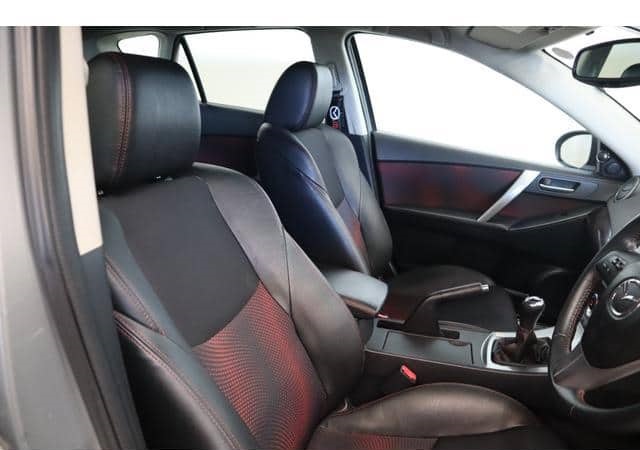
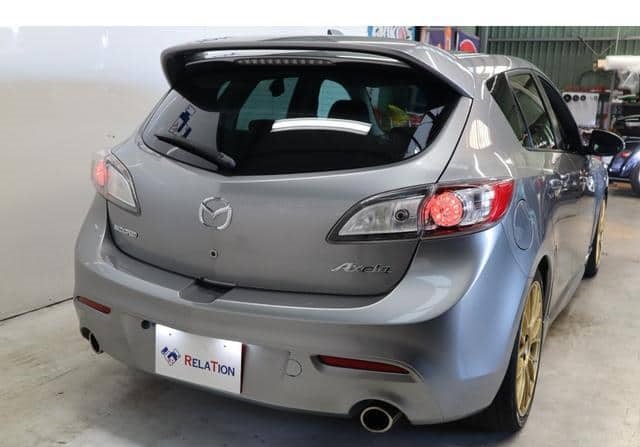
The Mazda Axela 2011 is a compact car that has garnered attention for its blend of performance and fuel efficiency, making it a potentially appealing option for drivers navigating Uganda’s diverse road conditions. With a focus on urban commuting and occasional rural travels, its engineering aims to optimize fuel consumption while providing a reliable driving experience. The vehicle’s lightweight design and efficient engine contribute to its ability to manage various terrains often encountered in Uganda. Additionally, the Axela’s reputation for durability may resonate with Ugandan consumers seeking long-lasting vehicles. As fuel prices fluctuate and environmental concerns grow, understanding the Axela’s efficiency in local contexts becomes increasingly relevant. Evaluating real-world fuel consumption metrics against Uganda’s challenging road infrastructure offers insight into its practicality for drivers throughout the country. Ultimately, the Mazda Axela 2011 could serve as a viable choice for those prioritizing fuel economy without sacrificing comfort and performance.
Introduction
The MAZDA AXELA 2011 is often discussed among car enthusiasts in Uganda for its performance and fuel efficiency. Understanding how it performs on local roads is essential, especially considering the varied terrains and driving conditions across the country.
Fuel Efficiency Overview
Generally, the MAZDA AXELA 2011 is noted for its impressive fuel efficiency. It boasts an average consumption of about 6.0 to 8.0 liters per 100 kilometers, which makes it an attractive option for daily commutes.
Driving Conditions in Uganda
Ugandan roads can be unpredictable, featuring everything from well-paved highways to rough, bumpy paths. The AXELA’s fuel consumption can vary depending on these road conditions.
City vs. Highway Driving
In urban areas like Kampala, traffic congestion can impact fuel efficiency. Here, the AXELA may consume slightly more fuel due to frequent stopping and starting. However, on open highways, it performs better, making it a solid choice for long-distance travel.
Maintenance and Fuel Usage
Regular maintenance plays a key role in fuel efficiency. Routine checks on the air filter, oil changes, and proper tire inflation can significantly enhance the AXELA’s performance. A well-maintained vehicle is more likely to deliver optimal fuel economy.
Recommended Fuel Types
Using high-quality petrol can also contribute to better fuel efficiency. Regular fuel may lead to engine knocking, which impacts performance and consumption. Opting for a reliable fuel brand can make a noticeable difference.
Comparative Analysis
When compared to other vehicles in its class, the MAZDA AXELA holds its own in terms of fuel efficiency. Models similar in size often struggle to achieve the same level of economy, particularly under the same driving conditions.
User Experiences
Many users report satisfaction with the AXELA’s fuel efficiency, especially when it comes to daily travel. The balance of performance and economy is appreciated by many Ugandan drivers, especially in urban settings.
Resale Value and Fuel Efficiency
Fuel-efficient cars typically have a better resale value. Given the AXELA’s reputation for reliability, owners can expect a good return on investment when it’s time to sell or trade in the vehicle.
Summary
The MAZDA AXELA 2011 offers solid fuel efficiency, making it a practical choice for Uganda’s diverse driving conditions. With proper maintenance and the right fuel, drivers can enjoy a blend of economy and performance on both city streets and highways.
FAQs
1. Is the MAZDA AXELA 2011 suitable for rough roads?
While it handles well on paved roads, its performance on rough terrain may not be as robust as SUVs or trucks.
2. How can I improve the fuel efficiency of my AXELA?
Regular maintenance, using high-quality fuel, and checking tire pressure can enhance fuel economy.
3. What is the average cost of running a MAZDA AXELA in Uganda?
The cost can vary, but many users report spending between UGX 200,000 to 400,000 monthly on fuel, depending on usage.
4. Is the MAZDA AXELA expensive to maintain?
Generally, it has reasonable maintenance costs compared to other vehicles in its class, especially if serviced regularly.
5. Can the AXELA handle long-distance travel in Uganda?
Yes, it is quite capable for long journeys, particularly on highways where it performs best in terms of fuel efficiency.
The LAND ROVER DISCOVERY 3 2009, produced in 2009, embodies a robust design and advanced features that cater to off-road enthusiasts, making it a notable contender for Uganda’s diverse terrains....
The Land Rover Discovery 3 Manual Diesel 2008 is a robust vehicle well-suited for the varied terrains of Uganda, where off-road driving is often essential. Known for its advanced four-wheel...
The Land Rover Discovery 30-Diesel 2015 is a vehicle designed for both luxury and rugged terrain, making it a popular choice for adventurers in Uganda. With its powerful diesel engine,...
As an experienced car inspector in Uganda, I often encounter potential buyers eager to find a vehicle that meets their unique needs. Uganda’s diverse terrains—from bustling city streets to rugged...
Family owned dealership of new and pre-owned vehicles with several locations across the Uganda. Lowest prices and the best customer service guaranteed.
You're almost there, select at least one more to compare!
We use cookies to ensure that we give you the best experience on our website. If you continue to use this site we will assume that you are happy with it.
You can revoke your consent any time using the Revoke consent button.