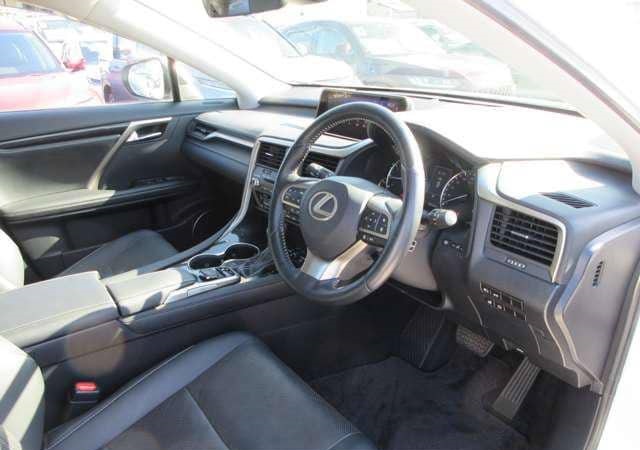
As an experienced car inspector based in Uganda, I understand the diverse needs of vehicle buyers in our unique environment. For those commuting within the bustling city, fuel efficiency is paramount, particularly given the stop-and-go traffic that can drain resources rapidly. On the other hand, individuals looking to traverse upcountry roads often prioritize a vehicle’s reliability and off-road capabilities, as many rural routes can be unpredictable. Budget-conscious buyers are also concerned about not just the initial cost of the vehicle, but the long-term maintenance and fuel expenses that accompany it. With these perspectives in mind, one must ask: How does the Lexus RX 300’s fuel efficiency hold up in urban stop-and-go conditions? Are its features and performance suitable for the rough terrains often encountered in rural Uganda? Additionally, what are the projected maintenance costs, especially in relation to the availability of spare parts and service centers?
Answer
Verdict
Suitable with conditions. The LEXUS RX 300 2018 offers adequate fuel efficiency for urban and upcountry travel, but its performance can be influenced by Kampala’s traffic, road conditions, and maintenance.
Fuel Efficiency Overview
The LEXUS RX 300 2018 generally achieves a fuel efficiency ranging from 8 to 11 km per liter, depending on driving conditions and vehicle trim. In Uganda, where heavy traffic, potholes, and frequent speed humps are prevalent, fuel consumption may lean towards the lower end of this spectrum.
Driving Conditions in Uganda
Driving in Kampala can be challenging due to congestion, especially during peak hours. The RX 300’s performance may be negatively impacted under these conditions, leading to increased fuel consumption.Upcountry roads, particularly those affected by the rainy season, can also affect driving efficiency. Potholes and unpaved surfaces may necessitate more power, thus reducing mileage.
Specifications and Performance
The LEXUS RX 300 2018 is powered by a turbocharged 2.0-liter engine. While the horsepower typically reaches around 235 HP, actual performance and fuel efficiency can vary by trim and should be verified by the Vehicle Identification Number (VIN).
Drivers can expect the RX 300 to handle moderately rough roads, but care should be taken to navigate speed humps and potholes that are common on Ugandan roads.
Summary
The LEXUS RX 300 2018 is a suitable choice for Ugandan drivers seeking a balance of comfort and performance. However, careful consideration should be given to driving conditions that can impact fuel efficiency.
FAQs
1. What is the average fuel consumption of the LEXUS RX 300 2018 in Uganda?
The average fuel consumption ranges from 8 to 11 km per liter, depending significantly on driving conditions and the specific vehicle trim.
2. How does Kampala traffic affect the RX 300’s fuel efficiency?
Kampala’s heavy traffic can lead to increased fuel consumption, as stop-and-go driving is less efficient than consistent highway speeds.
3. Are there specific trims of the RX 300 that offer better fuel efficiency?
Fuel efficiency can vary by trim; checking the VIN of the specific vehicle can provide more accurate information regarding performance.
4. Can the RX 300 handle rough upcountry roads?
While the RX 300 is designed for moderate off-road capabilities, care must be taken on rough roads, especially those with potholes.
5. What maintenance tips can help improve fuel efficiency for the RX 300 in Uganda?
Regular engine maintenance, proper tire inflation, and avoiding excessive idling can all help optimize fuel efficiency, particularly in challenging Ugandan road conditions.
The LAND ROVER DISCOVERY 3 2009, produced in 2009, embodies a robust design and advanced features that cater to off-road enthusiasts, making it a notable contender for Uganda’s diverse terrains....
The Land Rover Discovery 3 Manual Diesel 2008 is a robust vehicle well-suited for the varied terrains of Uganda, where off-road driving is often essential. Known for its advanced four-wheel...
The Land Rover Discovery 30-Diesel 2015 is a vehicle designed for both luxury and rugged terrain, making it a popular choice for adventurers in Uganda. With its powerful diesel engine,...
As an experienced car inspector in Uganda, I often encounter potential buyers eager to find a vehicle that meets their unique needs. Uganda’s diverse terrains—from bustling city streets to rugged...
Family owned dealership of new and pre-owned vehicles with several locations across the Uganda. Lowest prices and the best customer service guaranteed.
You're almost there, select at least one more to compare!
We use cookies to ensure that we give you the best experience on our website. If you continue to use this site we will assume that you are happy with it.
You can revoke your consent any time using the Revoke consent button.