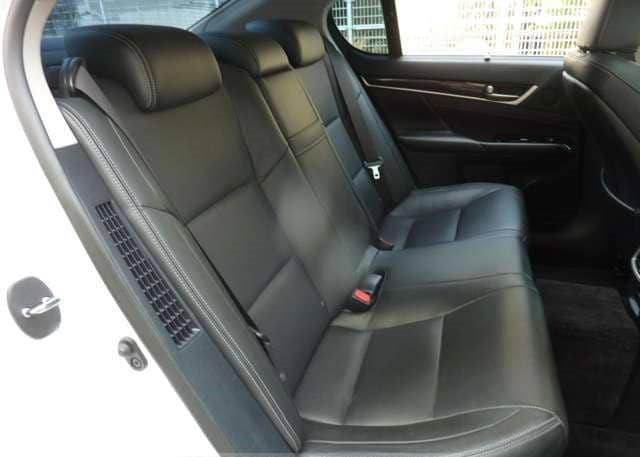
The Lexus GS Hybrid 450h 2012 model is renowned for its blend of luxury and efficiency, attributes particularly relevant in Uganda’s diverse driving conditions. With its hybrid technology, this vehicle promises reduced fuel consumption compared to conventional gasoline engines, making it an appealing choice for both urban commuting and rural travel. The hybrid system not only enhances fuel efficiency but also provides a quieter ride, which can be a significant advantage in Uganda’s bustling cities. However, factors such as road conditions, driving habits, and maintenance practices in Uganda will ultimately influence its performance and overall fuel economy. Given the country’s mix of tarmacked and unpaved roads, understanding the car’s adaptability to these varying environments is essential for potential buyers. The balance between luxury and practicality makes the GS Hybrid a compelling option in a market that increasingly values sustainability and cost-efficiency.
Understanding Fuel Efficiency in Uganda
Fuel efficiency can significantly impact the total cost of vehicle ownership, especially in a country like Uganda, where fuel prices can fluctuate. The LEXUS GS HYBRID 450H is known for its hybrid technology, promising better mileage than traditional gasoline engines.
Hybrid Technology Advantages
The 2012 LEXUS GS HYBRID 450H combines a gasoline engine with an electric motor, allowing for better fuel efficiency. In urban settings, the hybrid system often runs on electric power, which can be highly beneficial for city driving in Uganda where stop-and-go traffic is common.
Driving Conditions
Ugandan roads can vary greatly; from smooth highways to rough rural paths. The fuel efficiency of the LEXUS GS HYBRID 450H may decline on poorly maintained roads. However, its hybrid system is designed to handle different driving conditions fairly well.
Fuel Consumption Rates
On average, the LEXUS GS HYBRID 450H achieves around 29 miles per gallon on the highway and approximately 34 miles per gallon in the city. This performance can translate to substantial savings for daily commutes or long trips.
Maintenance Considerations
Owning a hybrid vehicle like the GS HYBRID 450H also requires consideration for maintenance costs. While these vehicles do tend to have higher service intervals, parts may be more expensive and less available in Uganda compared to conventional vehicles.
Local Availability of Parts
In Uganda, it can sometimes be challenging to find specific hybrid parts. Therefore, it’s crucial to establish a relationship with a reliable mechanic familiar with hybrid systems to avoid potential delays in service.
Fuel Availability and Pricing
Fuel availability in Uganda can vary, and prices can be unpredictable. However, choosing a hybrid vehicle can reduce the reliance on fuel, allowing for greater flexibility and cost savings over time.
Government Policies
The Ugandan government has been increasingly supportive of eco-friendly vehicles. This includes potential tax breaks or incentives for hybrid vehicles, encouraging more consumers to consider them for everyday use.
Summary
The LEXUS GS HYBRID 450H 2012 carries a unique value for Ugandan drivers seeking fuel efficiency. Its combination of hybrid technology can significantly benefit urban driving. However, it is essential to consider maintenance, parts availability, and local fuel prices when making a purchasing decision.
FAQs
1. What is the average fuel consumption of the LEXUS GS HYBRID 450H 2012?
It averages around 29 MPG on the highway and 34 MPG in the city.
2. Is the LEXUS GS HYBRID 450H suitable for Ugandan roads?
Yes, it can handle both urban and rural driving conditions well, but performance may vary on poorly maintained roads.
3. Are spare parts readily available in Uganda?
Hybrid parts may not be as readily available as traditional parts, so it’s advisable to find a knowledgeable mechanic.
4. What are the maintenance costs associated with a hybrid vehicle?
While hybrid vehicles have longer service intervals, parts can be pricier, so it can be a bit more expensive to maintain.
5. Does Uganda offer any incentives for hybrid vehicle owners?
Yes, there may be tax breaks and other incentives aimed at encouraging eco-friendly vehicle ownership.
The LAND ROVER DISCOVERY 3 2009, produced in 2009, embodies a robust design and advanced features that cater to off-road enthusiasts, making it a notable contender for Uganda’s diverse terrains....
The Land Rover Discovery 3 Manual Diesel 2008 is a robust vehicle well-suited for the varied terrains of Uganda, where off-road driving is often essential. Known for its advanced four-wheel...
The Land Rover Discovery 30-Diesel 2015 is a vehicle designed for both luxury and rugged terrain, making it a popular choice for adventurers in Uganda. With its powerful diesel engine,...
As an experienced car inspector in Uganda, I often encounter potential buyers eager to find a vehicle that meets their unique needs. Uganda’s diverse terrains—from bustling city streets to rugged...
Family owned dealership of new and pre-owned vehicles with several locations across the Uganda. Lowest prices and the best customer service guaranteed.
You're almost there, select at least one more to compare!
We use cookies to ensure that we give you the best experience on our website. If you continue to use this site we will assume that you are happy with it.
You can revoke your consent any time using the Revoke consent button.