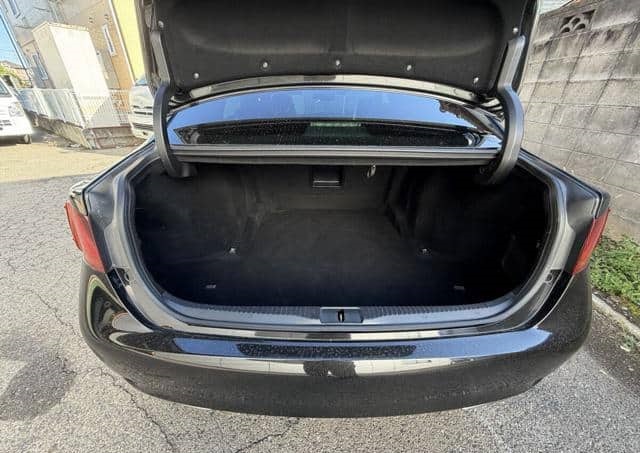
The 2013 Lexus GS combines luxury with performance, making it a notable contender in the realm of sedans. While its powerful engine options provide an exhilarating driving experience, fuel efficiency can be a key consideration, especially in bustling urban environments like Kampala. Unlike some of its competitors, the GS is engineered to balance comfort and capability, making it an appealing choice for city dwellers who appreciate both style and substance. With its advanced technology and thoughtful design, the vehicle aims to optimize fuel consumption during city driving, catering to the needs of those navigating congested streets. Understanding the specific fuel metrics of the 2013 model in practical settings is essential for prospective owners looking for an efficient yet luxurious daily driver. As urban challenges continue to evolve, the importance of a fuel-efficient vehicle remains paramount for sustainability and cost-effectiveness in urban transportation.
Understanding Fuel Efficiency in the Lexus GS 2013
The Lexus GS 2013 is often regarded for its luxury appeal and performance. However, when it comes to city driving, fuel efficiency takes on a new dimension. In Uganda’s bustling urban areas, knowing how well a vehicle performs in terms of fuel economy is vital for modern drivers.
City Driving and Its Challenges
City driving typically involves frequent stop-and-go situations, which can significantly impact fuel efficiency. Factors such as traffic congestion in Kampala and road conditions can further complicate this aspect.
Engine Specs and Fuel Economy Ratings
The 2013 Lexus GS is equipped with a 3.5-liter V6 engine, which offers a blend of power and efficiency. Its EPA-rated fuel economy is about 19 miles per gallon (mpg) in the city and 28 mpg on the highway. These numbers can vary based on driving habits and environmental conditions.
Real-World Driving Experience
Owners in urban settings have reported that the GS 2013 performs moderately well in city traffic. While the vehicle is luxurious and comfortable, it tends to consume more fuel during heavy traffic days.
Comparison with Other Models
In the same category, other vehicles like the Toyota Camry or Honda Accord may offer better fuel efficiency under similar driving conditions. However, they might lack the prestige and luxury that the Lexus provides.
Factors Affecting Fuel Efficiency
Driving style, vehicle maintenance, and load can all play a role in fuel consumption. Aggressive acceleration and frequent braking can lead to excessive fuel use. Routine checks on tire pressure and engine maintenance can help improve overall efficiency.
Summary
The Lexus GS 2013 is moderately fuel-efficient for city driving, especially considering its luxury status. While it may not be the most economical choice for city dwellers, its performance and comfort can justify the trade-off for many drivers in Uganda.
FAQs
1. Is the Lexus GS 2013 suitable for city driving?
Yes, it is suitable but not the most fuel-efficient option available.
2. What is the city fuel efficiency of the Lexus GS 2013?
The city fuel efficiency is approximately 19 mpg.
3. How does the Lexus GS 2013 compare to other sedans in terms of fuel consumption?
It generally consumes more fuel compared to competitors like the Toyota Camry and Honda Accord.
4. What factors can improve fuel efficiency in my Lexus GS 2013?
Regular maintenance, proper tire pressure, and driving habits can all improve fuel efficiency.
5. Are there hybrid options available for the Lexus GS?
Yes, the Lexus GS also offers hybrid variants that are more fuel-efficient.
The LAND ROVER DISCOVERY 3 2009, produced in 2009, embodies a robust design and advanced features that cater to off-road enthusiasts, making it a notable contender for Uganda’s diverse terrains....
The Land Rover Discovery 3 Manual Diesel 2008 is a robust vehicle well-suited for the varied terrains of Uganda, where off-road driving is often essential. Known for its advanced four-wheel...
The Land Rover Discovery 30-Diesel 2015 is a vehicle designed for both luxury and rugged terrain, making it a popular choice for adventurers in Uganda. With its powerful diesel engine,...
As an experienced car inspector in Uganda, I often encounter potential buyers eager to find a vehicle that meets their unique needs. Uganda’s diverse terrains—from bustling city streets to rugged...
Family owned dealership of new and pre-owned vehicles with several locations across the Uganda. Lowest prices and the best customer service guaranteed.
You're almost there, select at least one more to compare!
We use cookies to ensure that we give you the best experience on our website. If you continue to use this site we will assume that you are happy with it.
You can revoke your consent any time using the Revoke consent button.