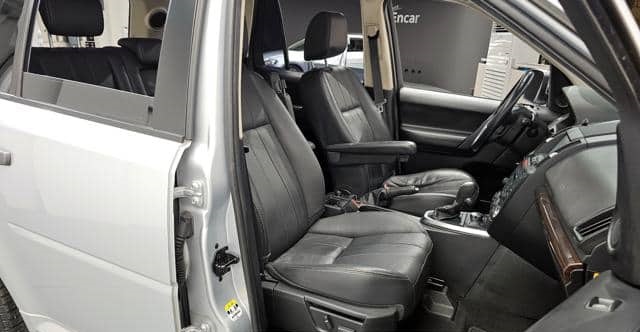
As an experienced car inspector in Uganda, I’ve had the privilege to assess numerous vehicles, and the 2012 Land Rover Freelander often comes up in conversation among potential buyers. Many city commuters appreciate its compact size and comfortable ride, making it suitable for urban traffic and pothole-riddled roads. Conversely, those planning to venture upcountry are keen to know whether the Freelander can handle the rugged terrains and muddy tracks that characterize the rural landscape. Additionally, budget-conscious buyers frequently inquire about the long-term maintenance costs associated with this model, given its reputation for complexity.
When considering the Freelander, potential buyers often ask: Does it have sufficient ground clearance for Uganda’s rough roads? How well does it perform in terms of reliability and durability during off-road journeys? Lastly, what are the average costs of servicing and maintaining this vehicle in the long run? Each of these questions reflects the diverse needs of buyers and their distinct driving conditions across the country.
Answer
Verdict
Suitable with conditions. The Land Rover Freelander 2012 offers decent off-road capabilities, but its performance may be hampered by Kampala traffic, the state of upcountry roads, and weather-related challenges.
Performance in Urban Conditions
While the Freelander is designed for versatile driving, navigating Kampala’s congested streets can be challenging. Its moderate fuel efficiency, typically around 10 to 14 km per liter, varies by trim and driving conditions. Frequent stops and starts in heavy traffic can affect its mileage.
Off-Road Capabilities
The Freelander’s all-wheel-drive system allows it to handle off-road terrains, including muddy roads and rocky paths. However, during the rainy season, be cautious of deep potholes and flooded areas, as they may present challenges even for this capable SUV.
Comfort and Safety Features
Equipped with safety features like traction control and ABS, the Freelander provides a secure driving experience. It also offers good interior space, making it suitable for family outings and longer trips.
Maintenance and Reliability
Parts availability might be a concern, especially in rural areas. Regular maintenance is essential to keep the Freelander running efficiently. Verify the vehicle’s history by VIN to assess past performance and potential issues.
Summary
The Land Rover Freelander 2012 can be considered suitable for various driving conditions in Uganda, particularly for light off-roading and family use. However, drivers should be aware of its limitations due to urban congestion and rural road conditions.
FAQs
1. What is the fuel efficiency of the Freelander 2012?
The Freelander typically achieves between 10 to 14 km per liter, depending on the engine and driving conditions.
2. Is the Freelander good for muddy roads and flooding?
It performs reasonably well in muddy conditions, but caution is warranted during heavy rains due to possible flooding and hidden potholes.
3. Are spare parts readily available in Uganda?
Spare parts can be challenging to find, especially in remote areas. It’s advisable to source parts beforehand or from trusted suppliers in urban centers.
4. Can the Freelander handle long-distance travel?
Yes, it is suitable for long-distance travel, offering sufficient comfort and space for passengers and luggage.
5. How does the Freelander perform on steep inclines?
The Freelander generally handles steep inclines well, thanks to its all-wheel-drive system, but the driver should still exercise caution on poorly maintained roads.
The LAND ROVER DISCOVERY 3 2009, produced in 2009, embodies a robust design and advanced features that cater to off-road enthusiasts, making it a notable contender for Uganda’s diverse terrains....
The Land Rover Discovery 3 Manual Diesel 2008 is a robust vehicle well-suited for the varied terrains of Uganda, where off-road driving is often essential. Known for its advanced four-wheel...
The Land Rover Discovery 30-Diesel 2015 is a vehicle designed for both luxury and rugged terrain, making it a popular choice for adventurers in Uganda. With its powerful diesel engine,...
As an experienced car inspector in Uganda, I often encounter potential buyers eager to find a vehicle that meets their unique needs. Uganda’s diverse terrains—from bustling city streets to rugged...
Family owned dealership of new and pre-owned vehicles with several locations across the Uganda. Lowest prices and the best customer service guaranteed.
You're almost there, select at least one more to compare!
We use cookies to ensure that we give you the best experience on our website. If you continue to use this site we will assume that you are happy with it.
You can revoke your consent any time using the Revoke consent button.