As an experienced car inspector based in Uganda, I understand the diverse needs of buyers when it comes to selecting the right vehicle, particularly in our unique driving environment. For city commuters, efficiency and maneuverability are key, as the busy streets of Kampala demand a car that can navigate tight spaces while remaining fuel-efficient. Those who travel upcountry, on the other hand, prioritize durability and off-road capability, often seeking vehicles that can handle rugged terrain without compromising on comfort. Budget-conscious buyers weigh the costs of initial purchase against long-term maintenance, making it crucial to evaluate fuel consumption as a part of ownership expenses.
In light of these considerations, how does the Land Rover Freelander 2.2 TD4 HSE 2010 perform in real-world fuel efficiency scenarios on our varied roads? What specific maintenance challenges might a buyer face in Uganda’s unique climate and road conditions? Additionally, how does this vehicle hold up in terms of reliability for daily commuting versus long-distance travel? These questions are essential for anyone contemplating this model in our diverse driving landscape.
Answer
Verdict
Suitable, with conditions. The Land Rover Freelander 2.2 TD4 HSE 2010 can handle Uganda’s diverse terrains and rough conditions well, but its fuel efficiency may not be the best fit for everyday urban traffic or long upcountry journeys, especially with Kampala’s notorious potholes and rainy season challenges.
Fuel Efficiency
The fuel efficiency of the Freelander 2.2 TD4 HSE generally falls within the range of 7 to 9 km per liter. However, actual consumption can vary based on driving conditions and trim levels. City driving in Kampala may push this towards the lower end, especially when navigating through traffic and speed humps.
Performance on Ugandan Roads
The Freelander is equipped to handle the pothole-laden roads of Kampala and rural areas due to its robust 4WD capabilities. The vehicle’s suspension system is also designed to absorb shocks from uneven surfaces, which is beneficial during the rainy season when roads can become particularly challenging.
Comfort and Features
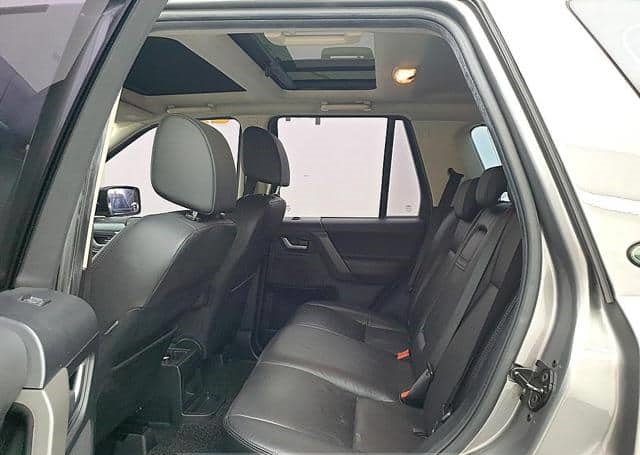
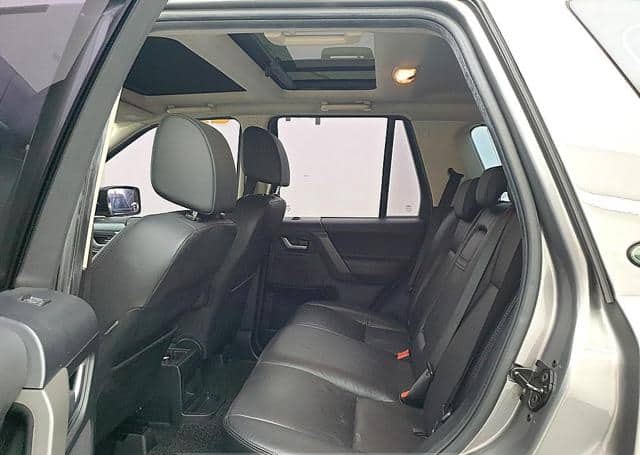
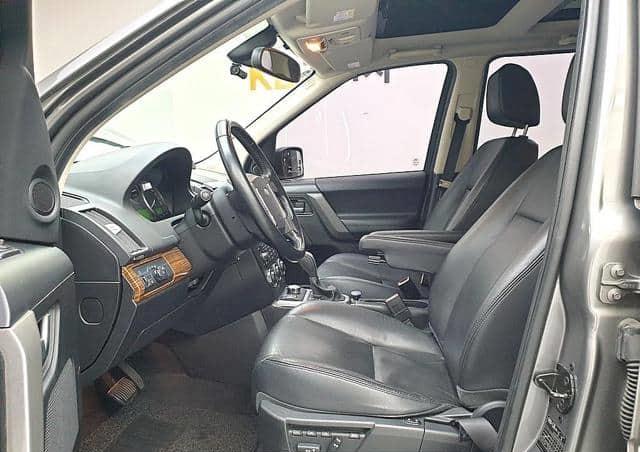
Inside, the Freelander offers spacious seating and a range of comfort features. This is advantageous for family trips across the country. However, it is essential to ensure the vehicle has been well-maintained, as issues can arise with older models.
Maintenance and Parts Availability
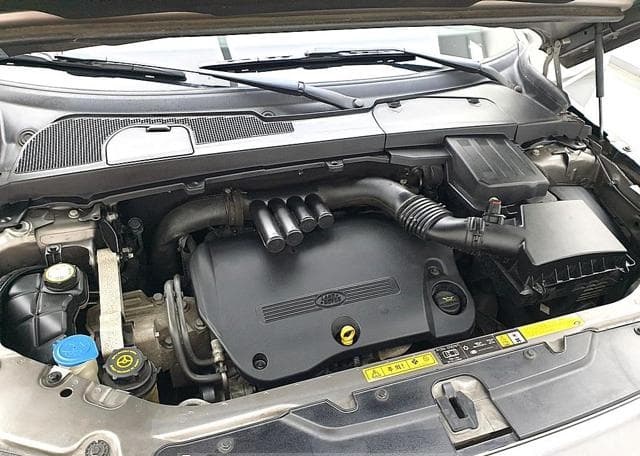
Parts for the Freelander are available but may come at a premium. It’s advisable to verify parts and service availability within Uganda, particularly in regions outside Kampala. Regular maintenance checks are essential to ensure longevity, especially considering wear from Uganda’s unique driving conditions.
Summary
The Land Rover Freelander 2.2 TD4 HSE 2010 is a competent vehicle for Ugandan roads, particularly for those needing off-road capabilities. However, potential buyers should consider fuel costs and maintenance requirements in the context of local driving conditions.
FAQs
What is the average fuel consumption of the Freelander 2.2 TD4 HSE?
The average fuel consumption ranges from 7 to 9 km per liter, depending on driving conditions and vehicle trim.
Can the Freelander handle rough rural roads?
Yes, it is well-suited for rough rural roads due to its robust 4WD capabilities and sturdy suspension system.
Is maintenance costly for the Freelander in Uganda?
Maintenance can be somewhat costly due to parts availability, so it’s essential to factor this into your budget.
How does the Freelander perform in Kampala traffic?
In Kampala traffic, fuel efficiency may decrease, and navigating through speed humps can be challenging, which reduces overall comfort.
Are there specific conditions to buy a Freelander in Uganda?
Yes, buyers should consider maintenance history, access to spare parts, and fuel costs in relation to local driving conditions before making a purchase.
The LAND ROVER DISCOVERY 3 2009, produced in 2009, embodies a robust design and advanced features that cater to off-road enthusiasts, making it a notable contender for Uganda’s diverse terrains....
The Land Rover Discovery 3 Manual Diesel 2008 is a robust vehicle well-suited for the varied terrains of Uganda, where off-road driving is often essential. Known for its advanced four-wheel...
The Land Rover Discovery 30-Diesel 2015 is a vehicle designed for both luxury and rugged terrain, making it a popular choice for adventurers in Uganda. With its powerful diesel engine,...
As an experienced car inspector in Uganda, I often encounter potential buyers eager to find a vehicle that meets their unique needs. Uganda’s diverse terrains—from bustling city streets to rugged...
Family owned dealership of new and pre-owned vehicles with several locations across the Uganda. Lowest prices and the best customer service guaranteed.
You're almost there, select at least one more to compare!
We use cookies to ensure that we give you the best experience on our website. If you continue to use this site we will assume that you are happy with it.
You can revoke your consent any time using the Revoke consent button.