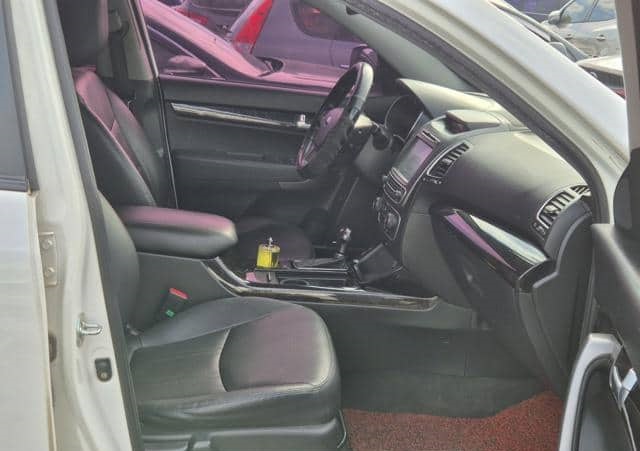
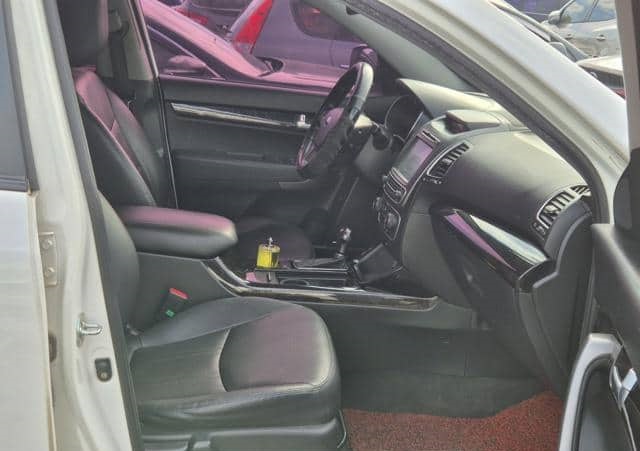
The 2013 KIA Sorento, a mid-size SUV, has gained attention for its blend of versatility and comfort, particularly for families or travelers embarking on long journeys across Uganda’s diverse landscapes. With a seven-seat capacity, it offers ample space for passengers and luggage, making it suitable for both urban commutes and rural explorations. Fuel efficiency is a critical consideration for those navigating Uganda’s varying terrains, from bustling city roads to winding rural paths. The Sorento’s engine performance and design are tailored to balance power and efficiency, potentially enhancing the experience of long trips. However, real-world consumption can vary based on driving conditions, maintenance, and load, warranting a closer examination for potential owners seeking reliability and economy in their travels. Overall, the KIA Sorento presents a compelling option for Ugandan families looking to combine comfort with practicality on long-distance trips.
Introduction
The KIA Sorento 7-seater, manufactured in 2013, has become a popular option for families and groups in Uganda. Its spacious interior and versatile seating make it ideal for long journeys across the country. However, fuel efficiency is a vital consideration for anyone planning road trips through Uganda’s diverse landscapes.
Fuel Efficiency Specifications
The KIA Sorento 2013 features a variety of engine options, each with differing fuel economy ratings. The most common model, equipped with a 3.5-liter V6 engine, offers an average of around 20 miles per gallon (mpg) in the city and 26 mpg on the highway. This performance can vary depending on driving conditions and maintenance.
Real-World Fuel Consumption
In Uganda, actual fuel consumption may differ from standard ratings due to local conditions. For instance, navigating rough roads, traffic congestion, and varying altitudes can impact efficiency. Many Ugandan drivers report an average of 18 to 22 mpg in mixed driving conditions.
Long-Distance Travel Considerations
When planning long trips in Uganda, it’s essential to consider key factors affecting fuel consumption in the Sorento. The car handles well on highways, making it suitable for routes like Kampala to Jinja or Mbale. However, frequent stops and low-quality fuel can lead to increased consumption.
Carrying Capacity
With a 7-seat capacity, the Sorento has ample room for family and luggage. While this is beneficial, carrying heavy loads can reduce fuel efficiency. It’s advisable to avoid overloading the vehicle when taking extended trips to optimize fuel use.
Driving Habits
Your driving style significantly influences fuel efficiency. Smooth driving, maintaining optimal speeds, and avoiding rapid acceleration can enhance gas mileage. Drivers in Uganda often find that adopting a more relaxed driving style, especially on long stretches, leads to better fuel economy.
Road Conditions
Uganda’s roads can vary dramatically. Rural routes or during rainy seasons can lead to challenging driving conditions. The Sorento is designed for versatility, but navigating rough terrains typically requires more fuel. Planning your journey to include well-maintained roads can help conserve fuel.
Maintenance Tips
Regular maintenance is critical for maximizing fuel efficiency. Keeping tires properly inflated, changing the oil, and ensuring that the engine is in good condition can make a notable difference. Regular check-ups are particularly important when embarking on long trips.
Fuel Quality
In Uganda, fuel quality varies significantly. Using high-quality fuel can lead to better efficiency. It’s wise to refuel at trusted stations to avoid any issues that may arise from lower-grade gasoline.
Summary
The KIA Sorento 7-seater 2013 can be a relatively fuel-efficient option for long trips in Uganda, particularly if you adopt smart driving habits and ensure regular maintenance. While local conditions may affect performance, many drivers find it to be a reliable vehicle for both short and long journeys.
FAQs
1. What is the fuel efficiency of the KIA Sorento 2013 on the highway?
The highway fuel efficiency is approximately 26 miles per gallon (mpg).
2. Does the KIA Sorento perform well on rough roads?
Yes, the Sorento is versatile and performs adequately on rough Ugandan roads, although fuel consumption may increase.
3. How can I improve the fuel efficiency of my KIA Sorento?
Regular maintenance, driving smoothly, and avoiding heavy loads can improve fuel efficiency.
4. Is the fuel quality important for the KIA Sorento?
Yes, using high-quality fuel can enhance performance and fuel efficiency.
5. What should I consider when planning a road trip in Uganda?
Consider your route, road conditions, vehicle maintenance, and the expected load to optimize fuel use.
The LAND ROVER DISCOVERY 3 2009, produced in 2009, embodies a robust design and advanced features that cater to off-road enthusiasts, making it a notable contender for Uganda’s diverse terrains....
The Land Rover Discovery 3 Manual Diesel 2008 is a robust vehicle well-suited for the varied terrains of Uganda, where off-road driving is often essential. Known for its advanced four-wheel...
The Land Rover Discovery 30-Diesel 2015 is a vehicle designed for both luxury and rugged terrain, making it a popular choice for adventurers in Uganda. With its powerful diesel engine,...
As an experienced car inspector in Uganda, I often encounter potential buyers eager to find a vehicle that meets their unique needs. Uganda’s diverse terrains—from bustling city streets to rugged...
Family owned dealership of new and pre-owned vehicles with several locations across the Uganda. Lowest prices and the best customer service guaranteed.
You're almost there, select at least one more to compare!
We use cookies to ensure that we give you the best experience on our website. If you continue to use this site we will assume that you are happy with it.
You can revoke your consent any time using the Revoke consent button.