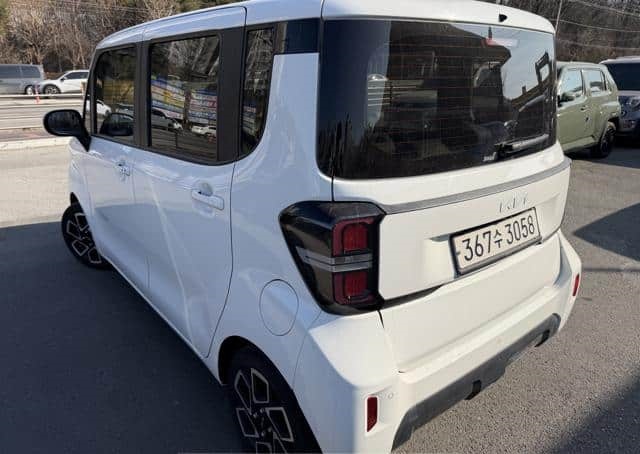
The KIA RAY STANDARD 2025 has emerged as a notable contender in the urban mobility landscape of Uganda, particularly for those seeking an efficient vehicle for city driving. With rising fuel prices and increasing urban congestion, the demand for fuel-efficient cars has never been more critical. This model is engineered with a focus on compact design and optimized engine performance, aimed at delivering impressive mileage and low emissions. Its lightweight structure and modern engineering contribute to its agility and ease of maneuverability in bustling city environments. As urbanization accelerates in Uganda, the KIA RAY STANDARD positions itself as a solution for eco-conscious consumers who prioritize both economic and environmental considerations in their transportation choices. Evaluating its fuel economy metrics can provide valuable insights into how well it meets the unique demands of urban driving in this context.
Introduction
The KIA RAY STANDARD 2025 is making waves in Uganda’s urban transport scene. With the rising cost of fuel, car buyers are increasingly focused on efficiency. This model promises a blend of compact design, modern features, and, importantly, fuel efficiency ideal for city driving. Let’s explore how it performs in the context of Uganda’s bustling city life.
Design and Dimensions
The KIA RAY STANDARD features a compact design, making it perfect for navigating narrow streets in congested areas. Its small footprint means it can easily fit into tight parking spots, an often challenging task in busy Ugandan urban centers.
Weight and Size
Weighing around 1,000 kg, the KIA RAY is lightweight, which contributes to its fuel efficiency. The dimensions allow for easy maneuverability, especially in areas like Kampala where traffic congestion is common.
Engine Performance
This model comes with a small yet efficient engine that emphasizes fuel economy. City driving often involves frequent starts and stops, and the KIA RAY is built to handle this with minimal fuel consumption.
Fuel Type and Consumption
Running on petrol, the KIA RAY STANDARD boasts an impressive fuel consumption rate of about 20 km/l in urban conditions. This efficiency can translate into significant savings for daily commuters in Uganda.
Driving Experience
Driving in Uganda’s cities can be demanding. The KIA RAY offers a comfortable cabin with modern features that enhance the driving experience. Air conditioning, power steering, and an easy-to-read dashboard make it user-friendly for local drivers.
Handling and Comfort
Despite its compact size, the KIA RAY provides a stable and comfortable ride. The suspension is designed to handle potholes and uneven roads, common issues in Ugandan cities.
Maintenance and Reliability
Maintaining the KIA RAY STANDARD is relatively straightforward. Spare parts are readily available in Uganda, and the engine design is simple, which can lower maintenance costs over time.
Fuel Costs Over Time
With the rising prices of petrol, choosing a fuel-efficient vehicle like the KIA RAY can significantly lower monthly fuel expenses. For city drivers, this benefit is essential as it allows for better budgeting.
Environmental Impact
Using a fuel-efficient vehicle reduces carbon emissions. With increasing awareness of environmental issues in Uganda, opting for fuel-efficient cars like the KIA RAY can contribute to a cleaner urban environment.
Summary
The KIA RAY STANDARD 2025 is a solid choice for city driving in Uganda. Its compact design, impressive fuel efficiency, and reliable performance make it suitable for daily commutes. With rising fuel costs and the need for more eco-friendly options, this vehicle stands out as a practical solution for urban drivers.
FAQs
1. What is the fuel efficiency of the KIA RAY Standard?
The KIA RAY Standard achieves approximately 20 km/l in city driving conditions.
2. Is the KIA RAY suitable for long-distance travel?
While it’s designed primarily for city driving, it can handle short to medium distances with ease, but might not be ideal for long journeys due to its compact specifications.
3. How does the KIA RAY perform on Ugandan roads?
The KIA RAY is built to handle uneven and potholed roads, offering a comfortable ride despite common road challenges in Uganda.
4. Are spare parts readily available in Uganda?
Yes, spare parts for the KIA RAY are generally easy to find in Uganda, making maintenance convenient.
5. What are the main features of the KIA RAY Standard?
Main features include air conditioning, power steering, and a user-friendly dashboard tailored for urban driving needs.
The LAND ROVER DISCOVERY 3 2009, produced in 2009, embodies a robust design and advanced features that cater to off-road enthusiasts, making it a notable contender for Uganda’s diverse terrains....
The Land Rover Discovery 3 Manual Diesel 2008 is a robust vehicle well-suited for the varied terrains of Uganda, where off-road driving is often essential. Known for its advanced four-wheel...
The Land Rover Discovery 30-Diesel 2015 is a vehicle designed for both luxury and rugged terrain, making it a popular choice for adventurers in Uganda. With its powerful diesel engine,...
As an experienced car inspector in Uganda, I often encounter potential buyers eager to find a vehicle that meets their unique needs. Uganda’s diverse terrains—from bustling city streets to rugged...
Family owned dealership of new and pre-owned vehicles with several locations across the Uganda. Lowest prices and the best customer service guaranteed.
You're almost there, select at least one more to compare!
We use cookies to ensure that we give you the best experience on our website. If you continue to use this site we will assume that you are happy with it.
You can revoke your consent any time using the Revoke consent button.