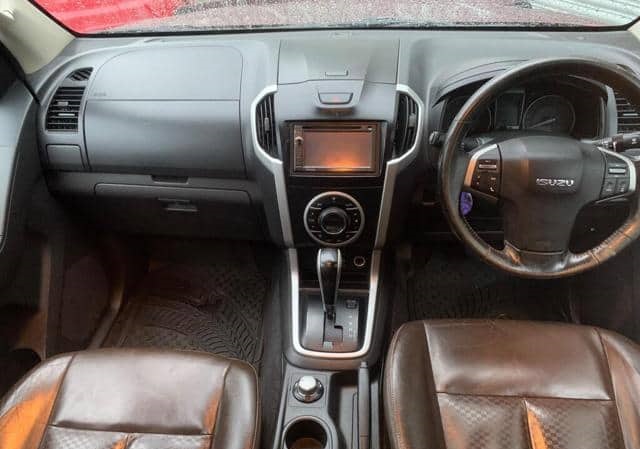
The Isuzu D-Max Automatic Diesel 2013 has gained attention in Uganda for its blend of durability and efficiency, particularly in urban driving scenarios. With its robust diesel engine, the D-Max is designed to deliver a balance of power and fuel economy that appeals to city dwellers and commercial users alike. Urban driving in Uganda often involves stop-and-go traffic and varying road conditions, making fuel efficiency a critical consideration for many drivers. The vehicle’s automatic transmission enhances driving convenience, allowing smoother transitions in congested traffic. Additionally, Isuzu’s reputation for reliability in rugged environments adds to the D-Max’s allure among those seeking a dependable urban transport solution. Analyzing its fuel consumption in real-world conditions provides insight into its viability for everyday use in Uganda’s dynamic urban landscape.
Introduction
The ISUZU D-MAX AUTOMATIC DIESEL 2013 has been a popular choice among Ugandan drivers, especially for urban commuting. But how fuel-efficient is this vehicle when navigating the bustling streets of Kampala and other cities? Understanding its performance characteristics can help you make an informed decision.
Understanding Fuel Efficiency
Fuel efficiency refers to how far a vehicle can travel on a specific amount of fuel. For urban driving, this is particularly important due to frequent stops and starts, which can affect overall consumption.
Engine and Transmission
The 2013 ISUZU D-MAX is equipped with a 3.0-liter diesel engine paired with an automatic transmission. This combination is designed to provide a good balance between power and fuel economy, especially in city conditions.
Fuel Consumption Rates
On average, the D-MAX achieves around 8 to 10 kilometers per liter in urban settings. This performance is commendable, considering the stop-and-go nature of city driving.
Advantages for Urban Drivers
The D-MAX offers several advantages that can enhance your urban driving experience.
Power for Carrying Loads
With a strong engine, the D-MAX is excellent for carrying heavy loads, making it suitable for business owners who need to transport goods across the city.
Durability and Reliability
ISUZU vehicles are known for their durability. In urban environments, this means less time spent in the workshop for repairs, leading to lower overall costs.
Comfort and Convenience
The automatic transmission makes driving in congested traffic less stressful, allowing for a smoother ride through the busy streets of Uganda’s cities.
Factors Affecting Fuel Efficiency
While the D-MAX offers generally good fuel efficiency, several factors can impact its performance in urban driving.
Driving Style
Aggressive driving, such as sudden acceleration and hard braking, can lead to increased fuel consumption. Adopting a smoother driving style can help improve efficiency.
Vehicle Maintenance
Regular maintenance, including timely oil changes and tire inflation, is essential for the vehicle to perform optimally. Poorly maintained vehicles can consume more fuel.
Traffic Conditions
Heavy traffic can significantly impact fuel efficiency. The more time spent idling, the more fuel consumed. Understanding peak traffic hours can help you plan your trips better.
Comparing with Competitors
When comparing the D-MAX with other vehicles in its class, it holds its own in terms of fuel efficiency and overall functionality for urban driving. Competitors may offer different features, but the D-MAX’s blend of durability and efficiency makes it a solid choice.
Summary
The ISUZU D-MAX AUTOMATIC DIESEL 2013 is a fuel-efficient option for urban driving in Uganda. With its powerful engine, durability, and comfort, it caters well to the needs of both business and personal use. By considering various factors, such as driving style and maintenance, users can maximize its fuel efficiency on the road.
FAQs
1. What is the average fuel consumption of the ISUZU D-MAX in urban driving?
The D-MAX averages around 8 to 10 kilometers per liter in urban conditions.
2. How can I improve fuel efficiency in my D-MAX?
Maintain regular servicing, keep tires properly inflated, and adopt a smoother driving style to enhance fuel efficiency.
3. Is the D-MAX suitable for carrying heavy loads in the city?
Yes, the D-MAX’s strong engine makes it ideal for transporting heavy loads within urban areas.
4. How does the automatic transmission affect driving in traffic?
The automatic transmission allows for easier handling in congested traffic, making it less stressful to drive in urban conditions.
5. What maintenance should I prioritize for better fuel efficiency?
Regular oil changes, checking air filters, and maintaining proper tire pressure are key for optimizing fuel efficiency.
The LAND ROVER DISCOVERY 3 2009, produced in 2009, embodies a robust design and advanced features that cater to off-road enthusiasts, making it a notable contender for Uganda’s diverse terrains....
The Land Rover Discovery 3 Manual Diesel 2008 is a robust vehicle well-suited for the varied terrains of Uganda, where off-road driving is often essential. Known for its advanced four-wheel...
The Land Rover Discovery 30-Diesel 2015 is a vehicle designed for both luxury and rugged terrain, making it a popular choice for adventurers in Uganda. With its powerful diesel engine,...
As an experienced car inspector in Uganda, I often encounter potential buyers eager to find a vehicle that meets their unique needs. Uganda’s diverse terrains—from bustling city streets to rugged...
Family owned dealership of new and pre-owned vehicles with several locations across the Uganda. Lowest prices and the best customer service guaranteed.
You're almost there, select at least one more to compare!
We use cookies to ensure that we give you the best experience on our website. If you continue to use this site we will assume that you are happy with it.
You can revoke your consent any time using the Revoke consent button.