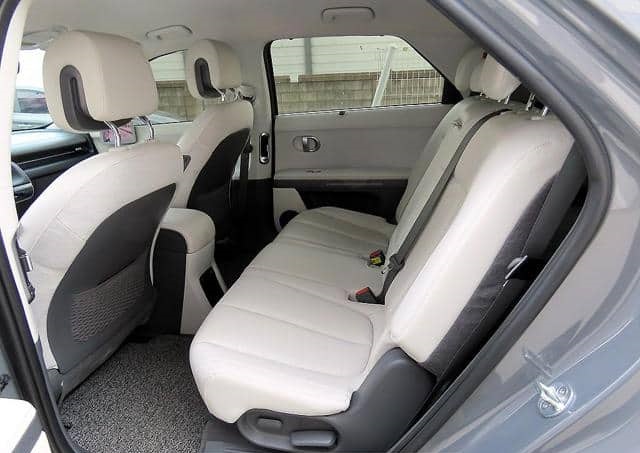
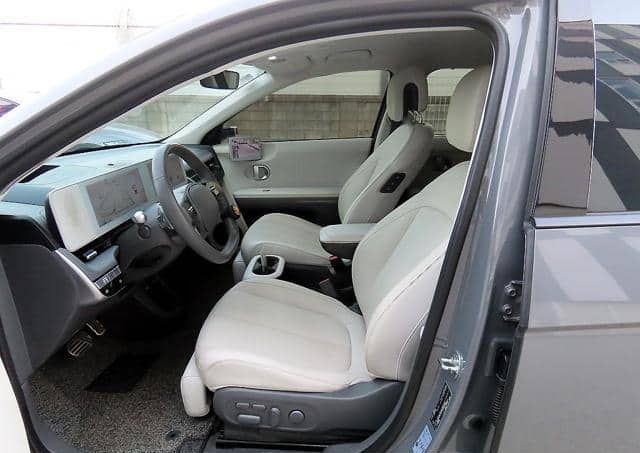
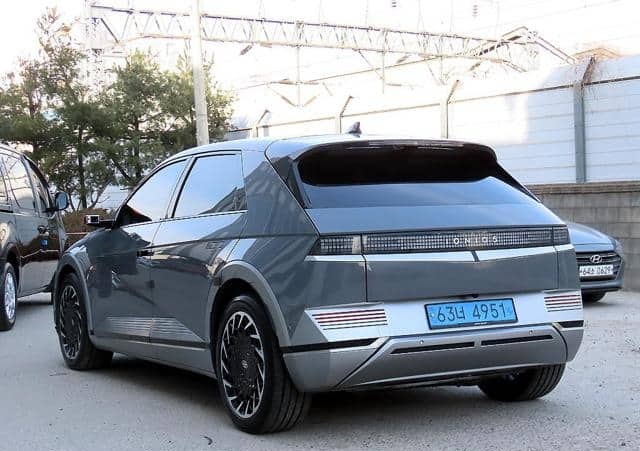
When it comes to assessing vehicles for the unique demands of Uganda, especially the Hyundai Ioniq Electric 2022, it’s essential to consider various buyer perspectives. For city commuting, many drivers prioritize fuel efficiency and compact size, so the Ioniq’s electric capabilities could appeal to urban dwellers looking to navigate busy streets and reduce their carbon footprint. Those venturing upcountry need to weigh the vehicle’s capability to handle rougher terrains and long distances, often on poorly maintained roads, which raises concerns about battery range and performance away from urban infrastructure. Budget-conscious buyers often seek assurance that their investment won’t lead to high maintenance costs, especially considering the availability of parts and service points for electric vehicles in Uganda. Is the charging infrastructure adequate to support regular use of the Ioniq, particularly for those traveling beyond city limits? How well does the vehicle perform on Uganda’s diverse road conditions, especially in rural areas? And, for potential buyers, what are the long-term maintenance implications for electric vehicles in a market that’s still adapting to this technology?
Answer
Verdict
Suitable with conditions. The Hyundai Ioniq Electric 2022 provides efficient energy consumption and low emissions, but its performance may be impacted by Uganda’s challenging road conditions, particularly during the rainy season.
Performance in Uganda’s Environment
Kampala Traffic
The Hyundai Ioniq Electric 2022 delivers a range of approximately 18 to 25 km per liter, depending on driving conditions. In the dense traffic of Kampala, electric vehicles can provide an advantage, helping to reduce fuel costs, but the frequent stops may affect battery efficiency.
Speed Humps and Potholes
With its low ground clearance, drivers should proceed with caution over speed humps and potholes, commonly found on Ugandan roads. Protecting the vehicle’s undercarriage is essential.
Rainy Season Challenges
During the rainy season, waterlogged roads can become hazardous. The Ioniq’s electric powertrain is efficient, but navigating flooded streets may pose difficulties. Adequate planning and awareness of local conditions are advisable.
Upcountry Roads
Traveling upcountry can be challenging due to rough terrain and poorly maintained roads. While the Ioniq may not be a dedicated off-road vehicle, its range is suitable for short trips; however, drivers should consider alternative vehicles for longer and more rugged journeys.
Summary
The Hyundai Ioniq Electric 2022 is suitable for urban driving in Uganda due to its efficiency and low operating cost, but potential buyers should be mindful of local road conditions and consider their driving habits and routes.
FAQs
1. What is the expected range of the Hyundai Ioniq Electric 2022?
The Ioniq Electric has an estimated range of 300 to 400 km on a full charge, but this can vary based on driving conditions and individual driving styles.
2. How does the Ioniq perform in heavy traffic?
The electric vehicle performs well in stop-and-go traffic, offering the benefit of reduced energy consumption compared to traditional gasoline vehicles.
3. Are there charging stations available in Uganda?
Charging infrastructure is still developing in Uganda, with limited public charging stations primarily located in urban areas. Home charging solutions are advisable.
4. How does the Ioniq handle rough roads?
The Ioniq’s low ground clearance may pose challenges on poorly maintained roads. Caution is recommended when navigating speed humps and potholes.
5. Can the Ioniq be used for long-distance travel in Uganda?
While the vehicle can handle short trips, long-distance travel may require planning, particularly regarding charging station availability and road conditions.
The LAND ROVER DISCOVERY 3 2009, produced in 2009, embodies a robust design and advanced features that cater to off-road enthusiasts, making it a notable contender for Uganda’s diverse terrains....
The Land Rover Discovery 3 Manual Diesel 2008 is a robust vehicle well-suited for the varied terrains of Uganda, where off-road driving is often essential. Known for its advanced four-wheel...
The Land Rover Discovery 30-Diesel 2015 is a vehicle designed for both luxury and rugged terrain, making it a popular choice for adventurers in Uganda. With its powerful diesel engine,...
As an experienced car inspector in Uganda, I often encounter potential buyers eager to find a vehicle that meets their unique needs. Uganda’s diverse terrains—from bustling city streets to rugged...
Family owned dealership of new and pre-owned vehicles with several locations across the Uganda. Lowest prices and the best customer service guaranteed.
You're almost there, select at least one more to compare!
We use cookies to ensure that we give you the best experience on our website. If you continue to use this site we will assume that you are happy with it.
You can revoke your consent any time using the Revoke consent button.